Almost four years after the conversion of Agia Sophia into a mosque, another Byzantine temple - it seems - will suffer the same fate. The reason is the Monastery of Chora, which has been a museum for 79 years.
As reported by the pro-government newspaper Yeni Safak, on February 23, the Chora Monastery is expected to open its doors as a mosque for Friday prayers.
It should be noted that the Turkish President, Recep Tayyip Erdogan, had taken the decision in 2020, along with Hagia Sophia, but the plans were «frozen» in order to carry out some restoration works.
This church, which according to many historians was the most important church in Constantinople after Hagia Sophia, was converted into a mosque by the Ottomans and then became a museum by order of Mustafa Kemal.
However, in 2019, the Turkish Supreme Court had issued a decision to convert it into a mosque. This was followed, in 2020, by the publication of the Government Gazette, which was expected to implement the decision and the Monastery of the Country, with the jurisdiction of the monument passing to the Directorate of Religious Affairs of the neighbouring country.
The works for the Monastery of Chora
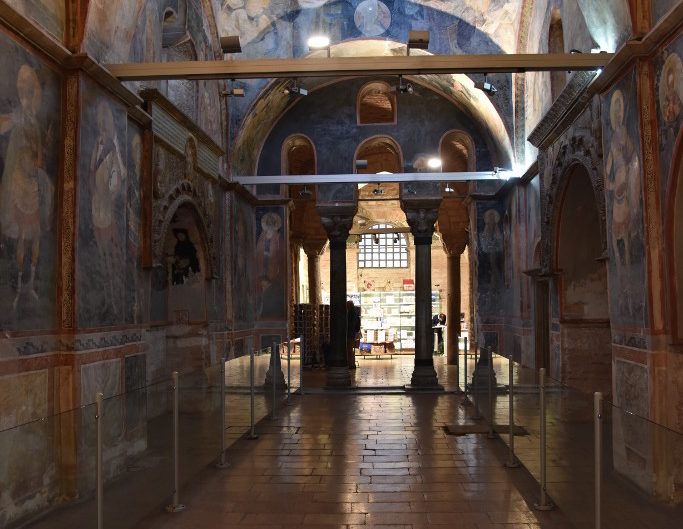
According to Yeni Safak, «the historic mosque, furnished with specially designed red carpets, is scheduled to open for worship on Friday, February 23.» It is also known that «the mosaics and frescoes in the historic mosque were preserved during the restoration and will be open to visitors».
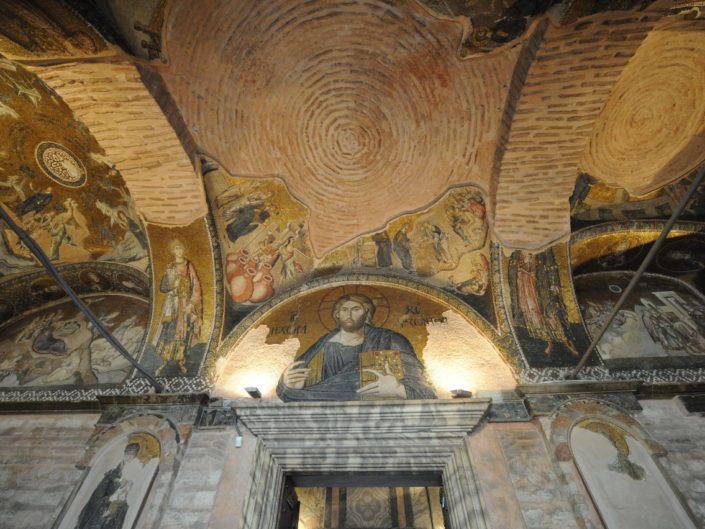
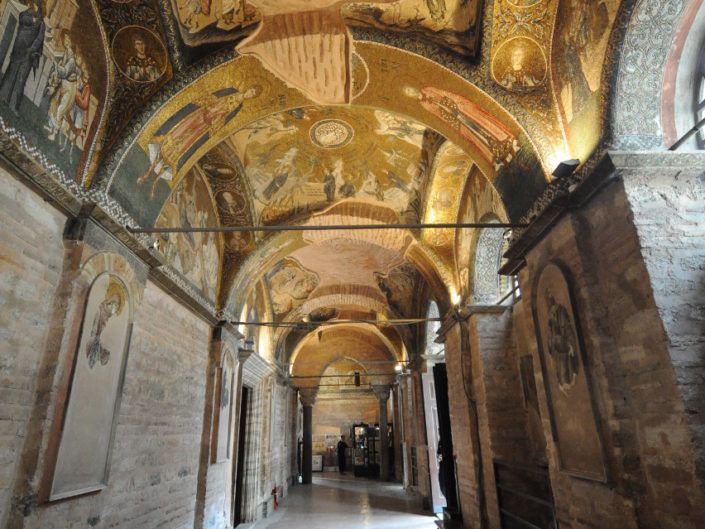
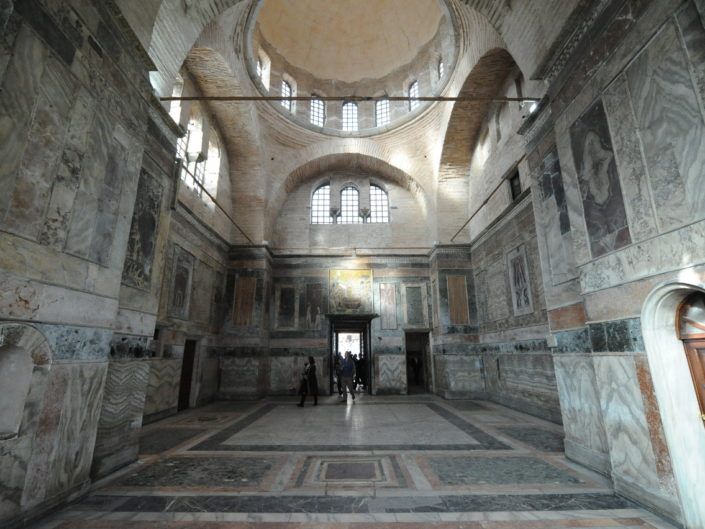
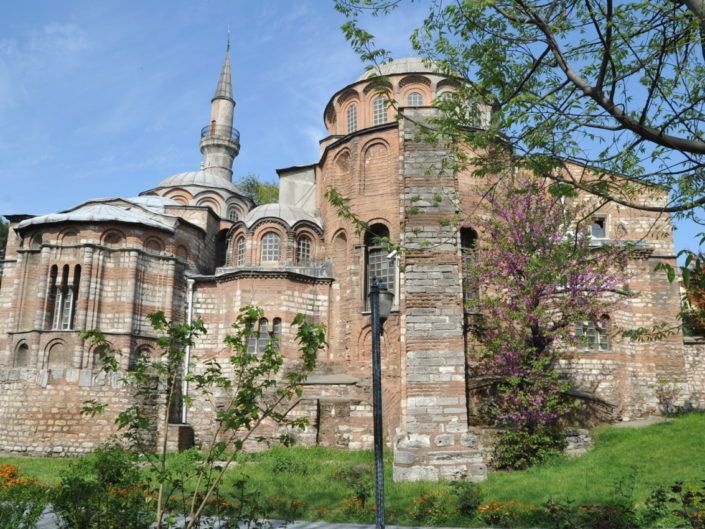
The Turkish newspaper even presents relevant photos of the interior and exterior of the monastery, while mentioning its architecture.
The Chora Monastery is located on the northwestern side of the historical centre of Constantinople and a short distance from the Byzantine gate of Hadrianople.
How Athens will react
The reaction of the Greek side to Recep Tayyip Erdogan's plans, which may have been launched in 2020, but their implementation comes at a time when Athens and Ankara are talking about an «opportunity to restart» relations after four difficult years, is expected with interest.
It should be noted that in 2021, during the meeting of Kyriakos Mitsotakis with the Director General of UNESCO, Audrey Azulei, the Greek Prime Minister had put on the agenda the conversion of Hagia Sophia and the Chora Monastery into mosques by Turkey, a choice that is in complete contradiction with their character as monuments of global cultural significance.
Read about the Monastery of Chora
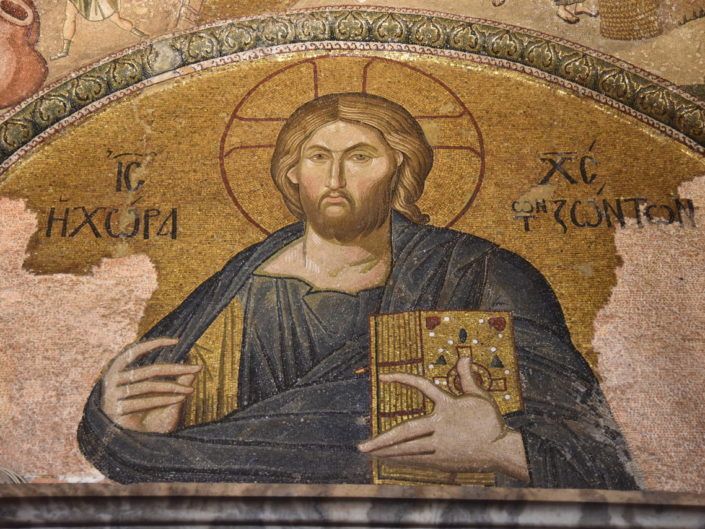
On the northwest side of the historic centre of Istanbul and a short distance from the Byzantine gate of Adrianople, is the famous Chora Monastery. It owes its name to the identification of the mosaics of Christ as the «Chora of the Living» and of the Virgin Mary as the «Chora of Peace» inside.
From the old monastic complex today only the katholikon is preserved. As for its dedication, we do not know with certainty whether it belonged to Christ, the Virgin Mary or both.
Equally doubtful is the date of the foundation of the monastery, which is placed either during the reign of Justinian (527-565) or during the reign of Heraclius (610-641). What is certain is that in the 12th century, when the church was founded, it was in the 16th century (610-61 BC, 610-61 AD).ο century, a magnificent temple was built, while at the beginning of the 14th century ano century. receives a radical renovation. It is an extensive programme of works carried out with the funding of the general's accountant Theodore Metochites, who linked his name to this monument, marking the most brilliant period in the history of the monastery. The construction of the double narthex and the southern chapel, which were decorated with mosaics and frescoes respectively, is attributed to him. These works are the finest expression of the Palaeologan art of the artistically rich reign of Andronicus II (1282-1328), and are admired by experts and non-specialists alike.
On the day of the fall of 1453, the monastery was among the first ecclesiastical monuments to be plundered. Later, at the end of the 15th century.no by early 16no century, the Chora was converted into a mosque under the name Kariye.
The restoration of the monument, the revelation and the cleaning of the mosaics were carried out in two periods of work, the first in the early and the second in the middle of the 20th century.ού αι.
The Chora Monastery has been operating since 1948 as a museum, under the name Kariye Müzesi.