The undergrounding and reorganization of the electricity network in various areas of Greece is one of the most talked-about projects in recent years. Almost two years ago, the government announced a major project to underground and upgrade the electricity distribution network. in urban areas to protect against violent weather phenomena, in forests to prevent forest fires, as well as and in areas of particular cultural or tourist value, with a total initial budget of €100 million.
In Kythira, we have heard many promises in recent years about undergrounding the Hellenic Electricity Distribution Network Operator (HEDNO) networks, such as the Aulomona, of capital city and other settlements. There were also cases of arson which were caused by sparking of a medium or low voltage column. Amidst all this, in recent years there has been a return to high levels, given the circumstances., construction activity on the island.
With the legislation in force, for construction both within and outside the plan (governments have been wavering over the «spatial planning» of construction for years), we see buildings being constructed either within settlements or on various plots of land in the Tsirigoti countryside. These buildings obviously need electricity and have applied to the Hellenic Electricity Distribution Network Operator (DEDDIE) to be connected to the electricity grid.
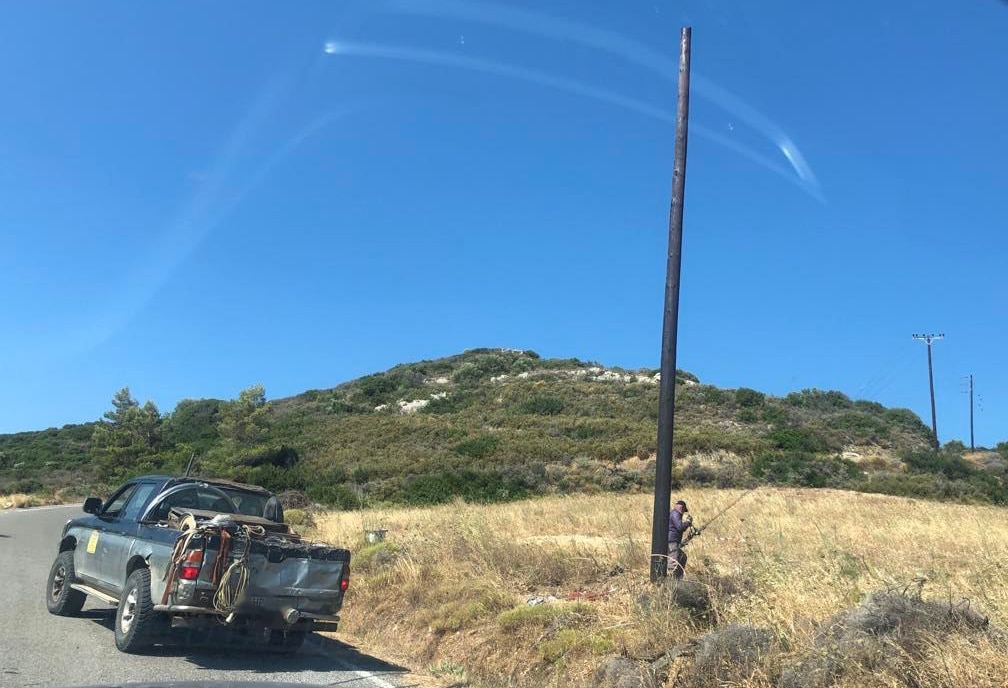
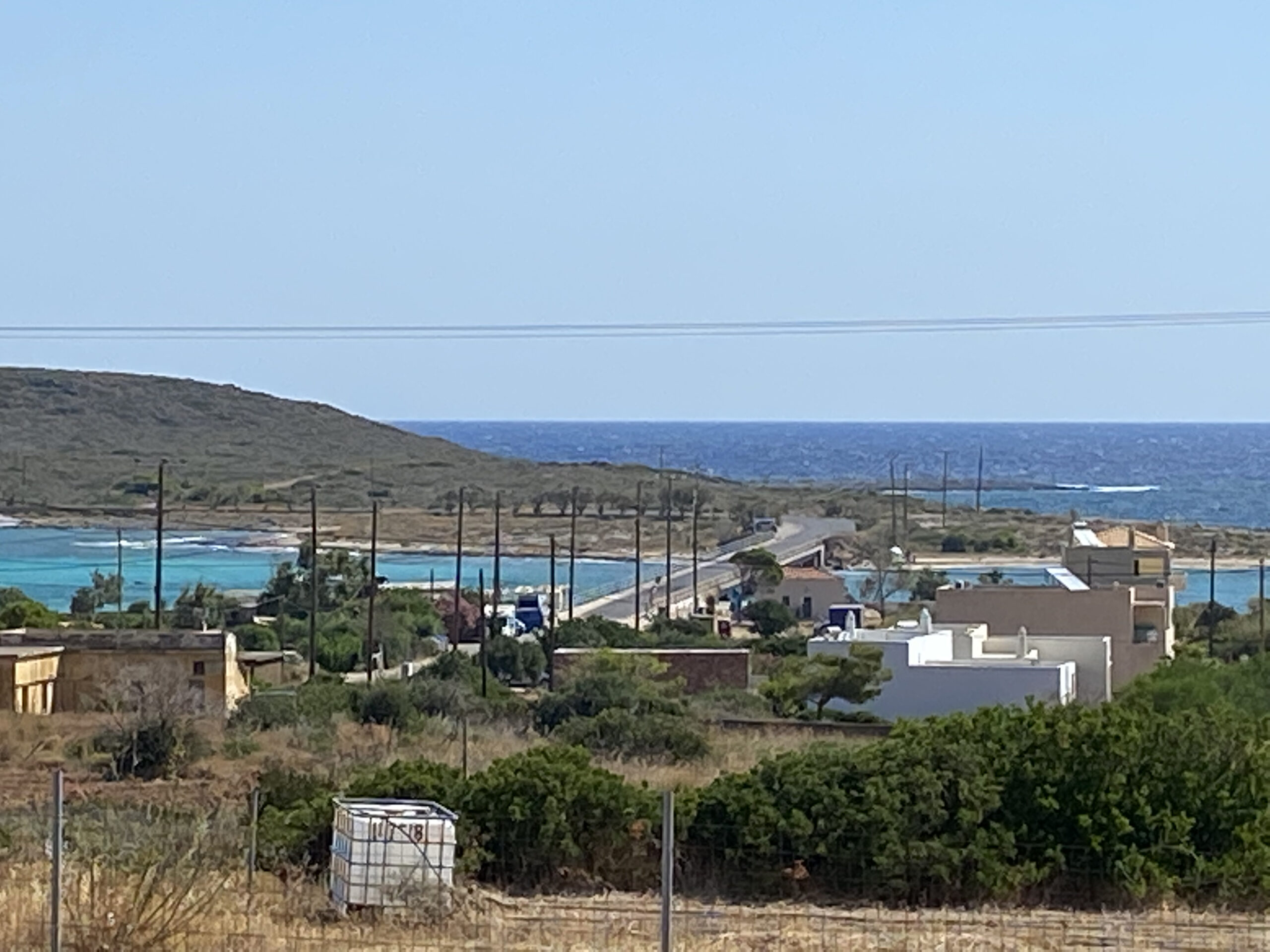
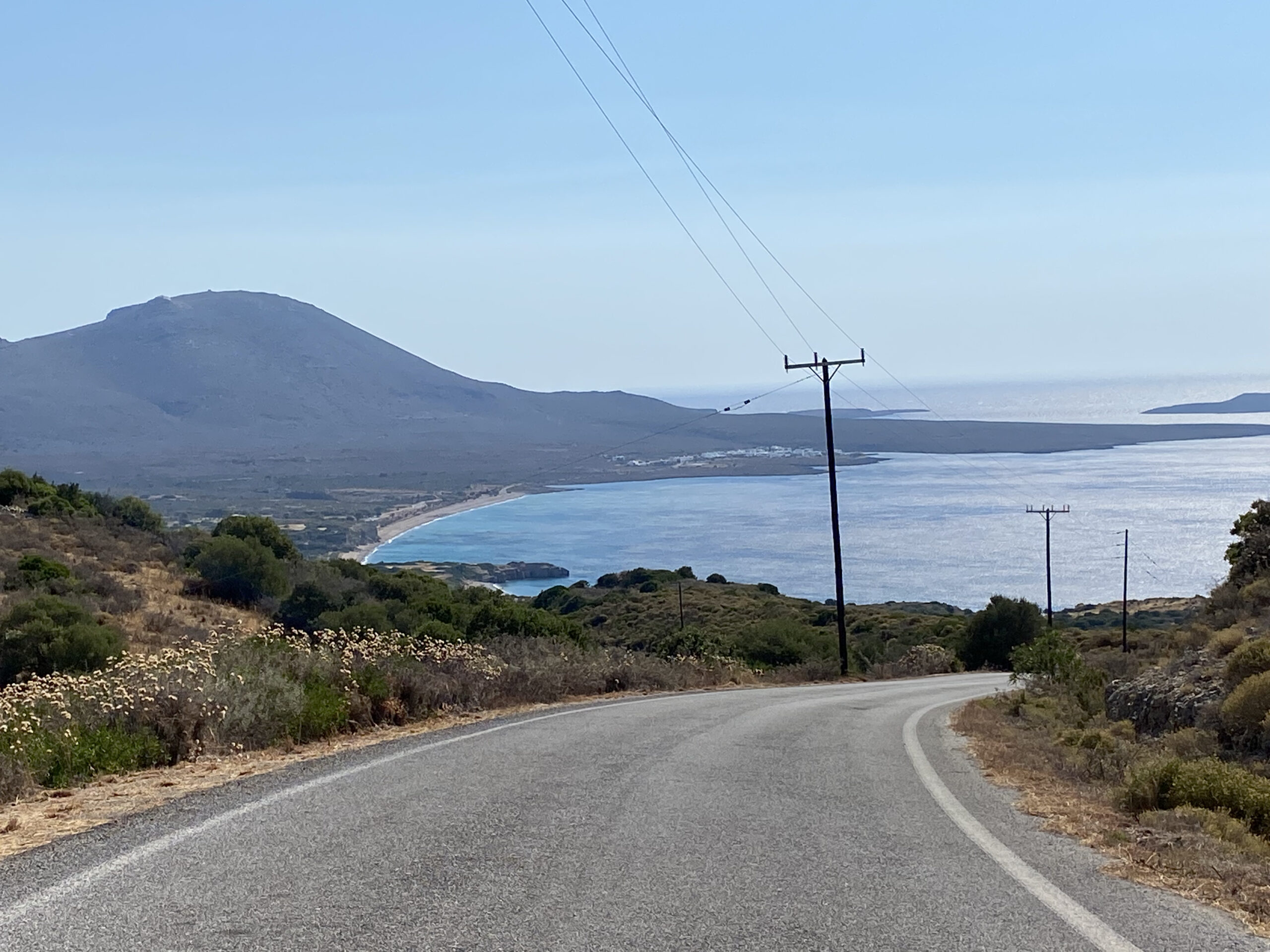
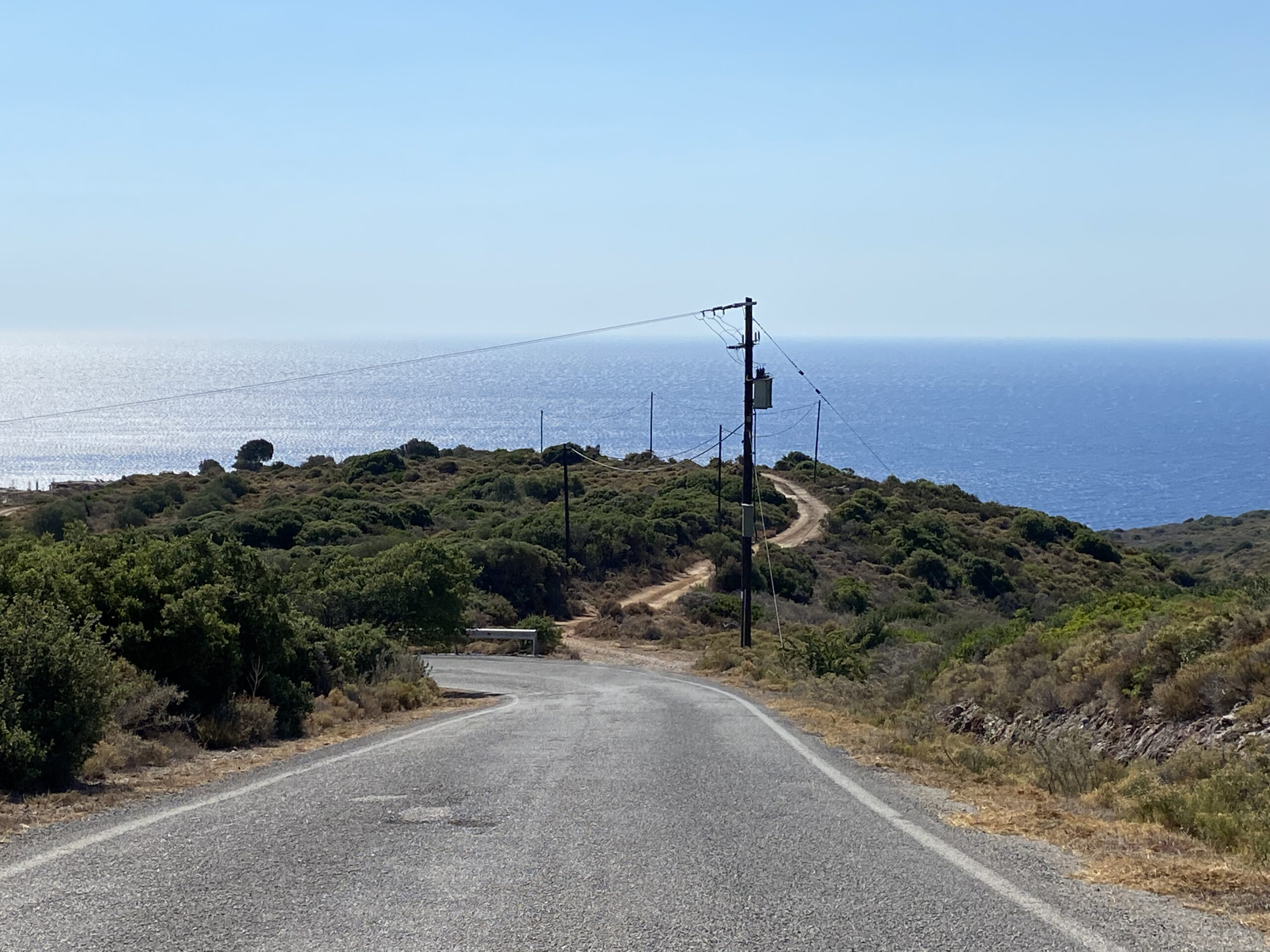
However, this development leads to an extension with several kilometers of cables and hundreds of additional poles at each point, which sometimes causing friction between residents within settlements or sometimes affecting the aesthetics of the island's pristine landscape. This brings us to the conclusion that if HEDNO continues its policy in Kythira of installing overhead networks rather than underground ones, then in a few years the island will have changed for the worse. A typical example is that of traditional settlements such as the capital, where, despite a presidential decree prohibiting overhead networks, the Hellenic Electricity Distribution Network Operator (DEDDIE) literally adorns every balcony and narrow street.
It will be interesting to see what the local government intends to do, given that for years we have heard nothing but promises, while the central government will probably continue to ignore us unless we «shout» at it.
As the reputable newspaper «Kathimerini» wrote back in January» The undergrounding program will be implemented in collaboration between HEDNO and the Ministry of Environment..Unfortunately, Kythira is not included in the list of areas where underground construction is planned. At least until now, it is not known whether our island will be fortunate enough to benefit from such a beneficial intervention, even where possible.
Is it time to raise the issue and prevent the worst from happening? Only time will tell.
Where will the program announced by the prime minister in January 2022 be implemented?
According to information from Kathimerini, the program, It will be rolled out across almost the whole of Greece and will be implemented in collaboration with the Ministry of the Environment and the Hellenic Electricity Distribution Network Operator (DEDDIE).
The cities in which small or larger underground projects are planned to be implemented are Athens, Piraeus, Kallithea, Mesogeia, Andros, Tinos, Elefsina, Peristeri, Filothei, Kifissia, Alexandroupoli, Xanthi, Komotini, Drama, Kavala, Serres, Kilkis, Katerini, Veroia, Kozani, Florina, Kastoria, Edessa, western and central Thessaloniki, eastern Thessaloniki and Poligiros, Aigio, Patras, Arta, Agrinio, Nafplio, Corinth, Pyrgos, Zakynthos, Kefalonia, Kalamata, Sparta, Tripoli, Ioannina, Corfu, Volos, Larissa, Trikala, Karditsa, Lamia, Livadia, Amfissa, Thebes, Aliveri, Chalkida, Heraklion, Agios Nikolaos, Chania, Rethymno, Rhodes, Kos, Syros, the Western Cyclades, and finally Samos, Chios, and Lesbos.
As reported by ypodomes.com, According to HEDNO's plans, 2,152 kilometers of overhead network will be buried underground between 2022 and 2025, with the relevant studies regarding the areas that will be given priority already underway.
The underground installation of cables is expected to reach 1,000 km by 2022, while in 2023 the area will increase to 1,500 km.
It is worth noting that the underground network in Greece amounts to only 11%, while in European countries the corresponding percentage exceeds 50%.
Over the next four years, HEDNO will invest more than €1.5 billion in modernizing medium- and low-voltage electricity transmission networks and, of course, in burying overhead cables underground.
According to people familiar with the market, it costs around €90,000 to lay one kilometer of medium or low voltage cable underground. Based on the above, it is clear that the “undergrounding” project requires enormous capital.