The Cyclades are one of the most dynamic and extroverted pillars of the Greek economy, with a significant contribution to the country's GDP, estimated between 4% and 5%, while Santorini alone accounts for up to 2.5%.
At the same time, the islands constitute a strong core of small and medium-sized entrepreneurship and can serve as a model for sustainable and decentralised development. However, as the Chamber of Cyclades points out, businesses in the Cyclades are faced with serious structural inequalities resulting from island status, such as increased transport and energy costs, limited connections, the seasonality of economic activity, demographic pressures and the effects of the climate crisis.
The Chamber has prepared a comprehensive memorandum of positions and policy proposals for strengthening the competitiveness and sustainability of businesses in the Cyclades, which is to be sent to the relevant decision makers. The Chamber invites professional and business organisations, as well as its members, to submit comments and observations by Friday 15 May 2026, at contact@cycladescc.gr, under the subject «Policy Proposals».
The Chamber stresses that insularity must be treated as a constant parameter of public policy and calls for its full integration in the design of national and European policies, on the basis of both the Greek Constitution and the European institutional framework. At the same time, it welcomes the initiative of the Ministry of Shipping and Island Policy to formulate a National Strategy for the island region, as well as the European initiatives promoting a unified strategy for islands.
Among the main proposals is the reintroduction of reduced VAT rates in all the islands of the Cyclades, as a tool to compensate for the increased cost of living and operation of businesses. The chamber points out that the abolition of reduced rates in 2015 did not bring the expected fiscal benefits, while it significantly burdened the competitiveness of the island economies.
Particular reference is made to the high transport costs, which remain up to 50% higher than on the mainland. The chamber calls for the immediate restoration of normal operation of the Transport Equivalent, as delays in the payment of compensation from 2022 are seriously affecting the liquidity of businesses.
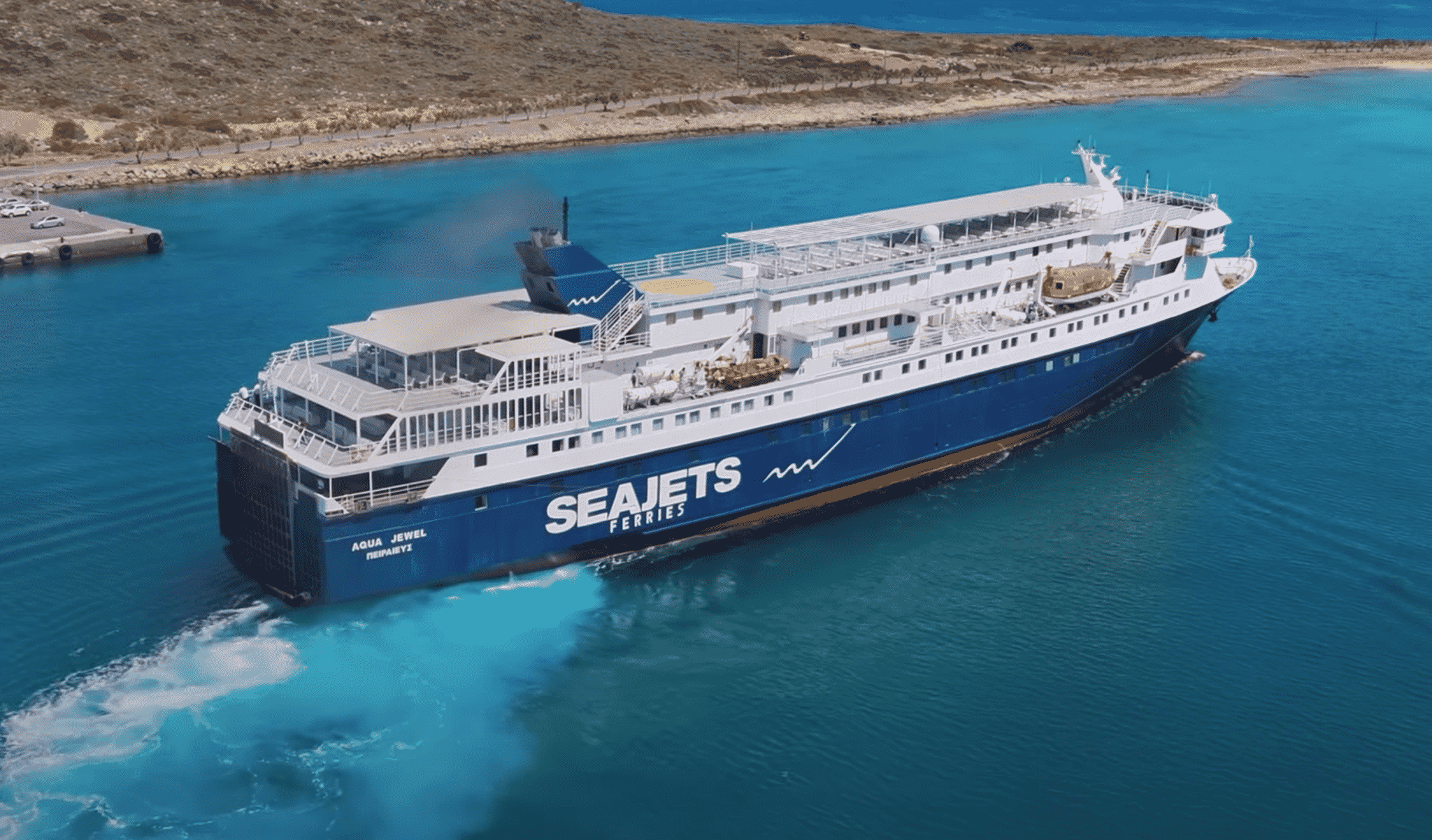
A major problem is also characterized as a major problem in the coastal connection of the Cyclades, with the Chamber speaking of serious malfunctions and inadequate coverage of needs, especially in the Eastern Cyclades. It calls for a review of the planning of the inter-cyclical routes to ensure a reliable and balanced network of connections.
The memorandum also highlights the acute labour shortage, with more than 5,000 jobs remaining unfilled in the Cyclades in 2024. Businesses, as noted, are being asked to offer higher wages and often cover the cost of housing for employees, while difficulties in implementing the Digital Job Card in the conditions of the seasonal island economy are highlighted.
At the same time, problems of access to banking services and finance, high commissions on electronic transactions and lack of specialised financial instruments for small businesses outside the core tourism sector are also highlighted.
The Chamber calls for even greater flexibility in the digital obligations of businesses, strengthening digital infrastructure on islands and improving technical support, noting that in many areas access to fast networks remains limited.
Particular reference is made to the Accommodation Tax and the Cruise Fee, with the Chamber calling for the establishment of the principle of local reciprocity, so that the revenues return to the islands and are directed to infrastructure and sustainable development projects.
The memorandum also includes proposals to regulate copyright through a single collection body, to support livestock farming and local production, and to review the framework for commercial leases to provide greater stability for businesses.
The Chamber of Cyclades stresses that small and micro enterprises are the backbone of the local economy and underlines the need for a coherent and long-term policy framework for the islands. At the same time, it points out that the strengthening of infrastructure, the adequate staffing of public services and the protection of natural resources are key prerequisites for sustainable and resilient island development.
As stated, the strengthening of island entrepreneurship is not only a matter of local development, but a strategic prerequisite for the economic cohesion of the country, the sustainability of Greek tourism and the maintenance of vibrant and productive island societies.
The Memorandum
The 11 key challenges and policy priorities as presented in the Memorandum are:
1. Insularity as a fundamental parameter of public policy
Insularity is not just a geographical specificity, but a permanent structural condition affecting economic activity, social cohesion, demographic sustainability and the development prospects of island regions.
The Greek Constitution (Article 101(4)) explicitly provides for the obligation of the State to take into account the specific conditions of island regions when formulating public policies. Similarly, Article 174 of the Treaty on the Functioning of the European Union recognises the need for special care for regions with permanent structural handicaps, such as islands. The full and systematic integration of the principle of insularity in the design of national and European policies is a crucial condition for the balanced development of island regions.
The Cyclades highlight a crucial contradiction: despite their recognition as an international tourist destination, they face pressures that test the sustainability of their productive and social model. For this reason, a coherent, long-term and differentiated policy framework, adapted to the needs of the island economy, is required.
In this context, we welcome the initiative of the Ministry of Shipping and Island Policy for the formulation of the National Strategy for Integrated Maritime Policy in the Island Region and we submit proposals for the strengthening of island parity, economic competitiveness, social cohesion and resilience of islands.
At the European level, the debate on insularity is entering a new phase, as the need for a comprehensive and distinct strategy for islands is emerging. The European Union Network of Island Chambers (INSULEUR), through recent initiatives and the Syros Declaration, is actively contributing to the promotion of a coherent and institutionalised policy framework that will integrate insularity horizontally into European policies.
At the same time, a favourable framework for strengthening the island dimension in public policies is emerging at European level, creating a crucial window of opportunity for aligning national policies with European priorities.
2. Reduced VAT rates as an island parity tool
The abolition of reduced VAT rates on the Aegean islands in 2015, in the context of the then fiscal adjustments, did not yield the expected results in terms of increased public revenues. Initial estimates for a significant boost in tax revenues were not confirmed, as the expected revenues (estimated at around EUR 347 million per year) remained significantly lower, while negative impacts on consumption, VAT collectability and the stability of tax flows from the island regions were recorded.
At the same time, the application of uniform VAT rates in areas with increased costs of transport, energy and basic goods intensifies the economic pressures faced by both businesses and households on the islands, further burdening the overall competitiveness of local economies.
The possibility of reintroducing reduced VAT rates in island regions is now explicitly provided for in the European institutional framework and constitutes a crucial tool to compensate for the structural disadvantages of insularity. However, the differentiated application of the measure between island regions with similar characteristics - and its link to criteria not directly related to economic and geographical specificities - raises issues of equal treatment and public policy coherence.
In this context and following our previous interventions on this issue, we believe that the time has come, especially in the context of increased geopolitical and inflationary pressures, to review the application of the measure to all the islands of the Cyclades, which could contribute substantially:
- enhancing the competitiveness of the island economy,
- supporting local entrepreneurship,
- ensuring social and regional cohesion.
3. Transport costs and the need to restore the Transport Equivalent
For businesses in the Cyclades, the transport of raw materials, goods and equipment is one of the most important operational burdens of their activity. Transport costs remain 30-50% higher than in mainland Greece, with no alternative mass and economic transport infrastructure.
The problem is compounded by the significant delay in the payment of the Transport Equivalent, a crucial compensation mechanism for island entrepreneurship. Despite the fact that the measure remains institutionally in force, there are significant delays in the payment of compensation from 2022, with the result that businesses will have to bear the full cost of transport for the third consecutive year.
This situation puts a strain on liquidity and increases production and logistics costs, especially for small and medium-sized enterprises. Thus, instead of acting as a tool for levelling out the inequalities of insularity, transport costs become a structural handicap, undermining the competitiveness of island economies.
The immediate restoration of the normal operation of the Transport Equivalent is a critical prerequisite for the strengthening of the competitiveness and viability of businesses on the islands.
4. Shipping interconnection of the Cyclades
The ferry connection between the Cyclades islands has serious malfunctions, which directly affect economic activity, social cohesion and the daily life of residents and businesses. Despite the fact that the Cyclades Chamber of Commerce has elaborated comprehensive proposals in consultation with the competent ministry, as well as submitted a specific plan for the strengthening of the inter-cycladic routes in the framework of two meetings of the Council of Shipping Communications (CAC), these proposals have not been adopted.
As a result, the current situation is characterised by a severe degradation of the interconnection: there is essentially only one line, without sufficient coverage of needs, while the connection with the Eastern Cyclades is non-existent. Indeed, even the existing line has been modified to weaken the connection to the Western Cyclades in order to serve once a week some of the islands of the Eastern Cyclades, which creates additional imbalances.
This situation has been in place for almost two years and now constitutes a serious development and social problem for our Region. It creates significant difficulties in the movement of people and goods, further increases transport costs and undermines the cohesion of the island complex.
It is therefore imperative to immediately review the planning of the inter-branch routes, with the aim of:
- the restoration of adequate and regular interconnection of all islands,
- the balanced coverage of Western and Eastern Cyclades,
- and to ensure a reliable and operational coastal shipping
network, worthy of the needs of the Cycladic economy.
5. Labour shortages and operational challenges in the labour market
Entrepreneurship in the Cyclades is facing a severe and growing human resources shortage, especially in tourism and seasonal activities. In 2024 more than 5,000 jobs remained unfilled in the Cyclades, while at national level the staff shortage is estimated to be close to 25% of the demand in the tourism sector.
Firms are required to offer wages 20-30% higher than normal market levels and often bear the cost of housing for workers, in a market where even small apartments cost more than €700-1,000 per month.
In this already pressured environment, the mandatory implementation of the Digital Labour Card, without adjustments to the specificities of the island and highly seasonal economy, creates significant operational difficulties for many businesses. Changing working hours, emergencies and often understaffing make it difficult to fully comply with a system designed mainly for larger and stable business structures.
There are already cases of businesses being restricted due to the inability to fill jobs and comply with the relevant procedures. Further extension of the application of the measure without provision for the specificities of the island economy may create additional operational deadlocks and necessitates its review.
6. Bank charges and access to finance
Small and medium-sized enterprises in the Cyclades face significant barriers to accessing banking services and finance. The absence of physical bank branches on most islands makes it difficult to manage daily transactions, forcing businesses to rely exclusively on digital services. At the same time, bank fees for electronic transactions remain particularly high. A particular problem is that commissions are calculated on the total amount of the transaction, including taxes and fees (such as VAT), which businesses simply collect and remit to the state.
At the same time, the limited response of banks to new financing requests further limits investment and growth opportunities. There is a significant lack of access to appropriate financial instruments for SMEs in the South Aegean Region, especially for activities outside the narrow core of tourism, manufacturing and the primary sector. The absence of targeted programmes for trade, services, technology, innovation and small business substantially limits the potential for productive diversification of the island economy and creates conditions of unequal treatment. These enterprises are forced to operate in an environment of increased costs and limited liquidity, without access to financing instruments adapted to the specificities of islandness. As a result, the one-dimensional dependence on tourism is reinforced and the vulnerability of local economies to exogenous fluctuations is increased. Measures must be taken to reduce bank charges, to redefine the basis for calculating commissions - excluding taxes and fees - and to create financing instruments tailored to the needs of island business.
7. Digital platforms and obligations - Administrative burden without adequate support
The continuous addition of new digital obligations - such as the Digital Job Card, myDATA, the ERGANI platform, the interconnection of POS-cash registers and numerous individual digital applications - entails significant financial and organisational costs for businesses.
Cycladic businesses have to bear these costs in a period of increased uncertainty regarding the development of the tourist season, but also in an environment where access to technical support is limited and digital infrastructures are often inadequate or unstable.
In many islands, the lack of specialised technical, accounting and computer support forces businesses to resort to outsourcing at increased costs or to spend valuable time on compliance procedures, to the detriment of their productive activity.
In a large part of the Cyclades islands, access to high-speed and fibre-optic networks remains limited, leaving businesses and residents operating in digital lagging conditions. The lack of modern telecommunications infrastructure is gradually leading to the use of off-premises satellite solutions, which, apart from their high cost, do not strengthen the domestic economy, do not contribute to job creation and are not part of a coherent national digital strategy and security framework. At the same time, limited speeds and unstable connections make it difficult for businesses to operate, use digital tools, telework and comply with increasing digital obligations.
It is therefore necessary to adopt a more flexible and proportionate implementation framework, providing for transitional periods, strengthening technical support and investing in the digital infrastructure of the islands.
8. Accommodation Fee - Cruise Fee and the principle of local return
The additional burden borne by businesses and visitors to the Cyclades through the increase of the Accommodation Tax is not accompanied by a corresponding reciprocity to the local communities. Although the fee was introduced with the aim of improving infrastructure and enhancing sustainable tourism development, the resulting revenues are not returned in a clear, transparent and proportionate manner to the islands that generate them.
As a result, local communities and businesses are burdened without ensuring that these resources are directed towards addressing the real pressures that intensive tourism activity places on island infrastructure and the natural environment.
Similarly, the Cruise Fee, as applied, creates additional pressures on the competitiveness of key destinations in the Cyclades, without taking into account the specificities of cruising and the operation of the ports. Already, adjustments to itineraries and rotation practices are being recorded in flagship destinations, which is limiting overall visitor numbers and negatively affecting the local economy.
It therefore becomes necessary:
- a review of the way in which the revenue from the Residence Tax is managed and distributed
- the review of the amount and structure of the Cruise Fee for Santorini and Mykonos in order to maintain the competitiveness of the destinations
- providing for a differentiated application, in particular for destinations with already high charges or access restrictions, - and ensuring that the revenues are directly channelled into improving port and local infrastructure.
The introduction of the principle of local retribution, both for the Accommodation Fee and the Cruise Fee, is a crucial prerequisite for ensuring the sustainability of the tourism model and the balanced development of the islands.
9. Intellectual property rights and the sustainability of small businesses
Protecting the rights of authors is a fundamental prerequisite for strengthening cultural production. At the same time, it is essential that the implementation of the relevant regulations does not lead to an excessive financial burden for businesses, especially for small and micro-enterprises in the island economy.
For this reason, it is necessary to finally settle the framework for the collection of copyright and related rights, through the establishment of a single collection body, which will determine the relevant fees through transparent procedures of consultation with the institutional bodies of entrepreneurship.
Such an arrangement can ensure the necessary balance between the protection of cultural creation, the proper return to the beneficiaries and the viability of the businesses that are a key pillar of economic activity in the Cyclades.
10. Livestock and productive sector
Local agricultural production, and especially livestock farming, which has long been an important element of the economy and cultural identity of the Cyclades, is currently in a particularly difficult situation. The gradual abandonment of the sector is leading to increasing dependence on imported products and threatens the preservation of the productive character of the islands.
Producers face high energy and transport costs, combined with prohibitive feed costs (Greece: ~+33% increase in feed prices between 2020-2023 - Cyclades: ~+40% or more overall cost burden due to transport and insularity) as well as infrastructure deficiencies, bureaucratic difficulties and limited access to financial instruments. At the same time, inadequate veterinary coverage and a shrinking rural population undermine the sustainability and renewal of the sector.
The adoption of targeted support programmes for producers is required, with emphasis on strengthening veterinary care, improving infrastructure and promoting local products, taking systematically into account the specificities of island production and its importance for the sustainability of local economies.
11. Commercial leases and the need for institutional adjustment
One of the most critical and growing problems facing businesses in the Cyclades is the commercial leasing framework. The current legislation, which provides for a minimum term of three years for commercial leases, creates conditions of great insecurity for entrepreneurs, especially in areas with high tourist demand.
At the end of the three-year period, many businesses are faced with excessive rent increases or even the loss of their business premises, despite the fact that they have invested significant funds in the design and operation of their premises.
This phenomenon leads to a vicious circle of pressures, uncertainty and, in some cases, practices that depart from the principles of sound entrepreneurship, creating conditions of unequal bargaining power to the detriment of businesses.
Particularly in island regions, where the availability of commercial space is limited and demand is highly seasonal and tourist-driven, this problem is even more acute.
For this reason, it is necessary to review the institutional framework of commercial leases, with the aim of:
- providing for the possibility of extending the duration of leases beyond three years, - ensuring greater stability for businesses, - preventing extreme and sudden rent increases, - and creating a more balanced and sustainable environment for business activity.
This institutional intervention is a crucial prerequisite for maintaining business continuity, protecting investment and the overall stability of local economies.
Finally, it is underlined that small and micro island businesses, although they constitute the backbone of the local economy and a key pillar of national tourism activity, are nevertheless required to operate in an environment where transport costs, human resource shortages, limited access to finance, increasing administrative obligations and the structural inequalities of insularity create cumulative and increasing pressures on their viability.
At the same time, a critical prerequisite for the sustainability of island entrepreneurship is the simultaneous strengthening of basic infrastructure and adequate staffing of public services on the islands. Existing deficiencies in port and air infrastructure make it difficult to move people and goods, increase operating costs and limit the growth potential of islands. Similarly, the need to protect and rationally manage water resources is becoming increasingly urgent, in particular through the development and strengthening of resilient desalination plants where necessary. At the same time, inadequate staffing of critical services, particularly in the areas of health, safety and control mechanisms, is increasing the feeling of insecurity and creating uneven market conditions. Strengthening controls is a key prerequisite for ensuring healthy business and fair competition.
At the same time, maintaining a balance between development and protection of the natural and cultural heritage of the Cyclades is a critical parameter for the sustainability of the productive model. Anarchic and excessive investment pressure may undermine the quality of life of the permanent residents and alter the comparative advantages of the islands. Strengthening infrastructure, staffing services, protecting natural resources and ensuring social balance are interlinked prerequisites for sustainable and resilient island development.
In this context, they are considered to be of critical importance:
- the restoration of island parity, through policies that limit the additional costs of geographical isolation,
- strengthening the competitiveness of small and medium-sized enterprises, which are the basis of the economic activity of the islands,
- the adoption of a stable consultation mechanism between the State and the institutional bodies of island entrepreneurship.
«The moment is particularly critical, as a new policy framework for islands is being formed at European level, which makes it necessary to align national policy with the relevant European initiatives in a timely and effective manner,» the memorandum concludes.