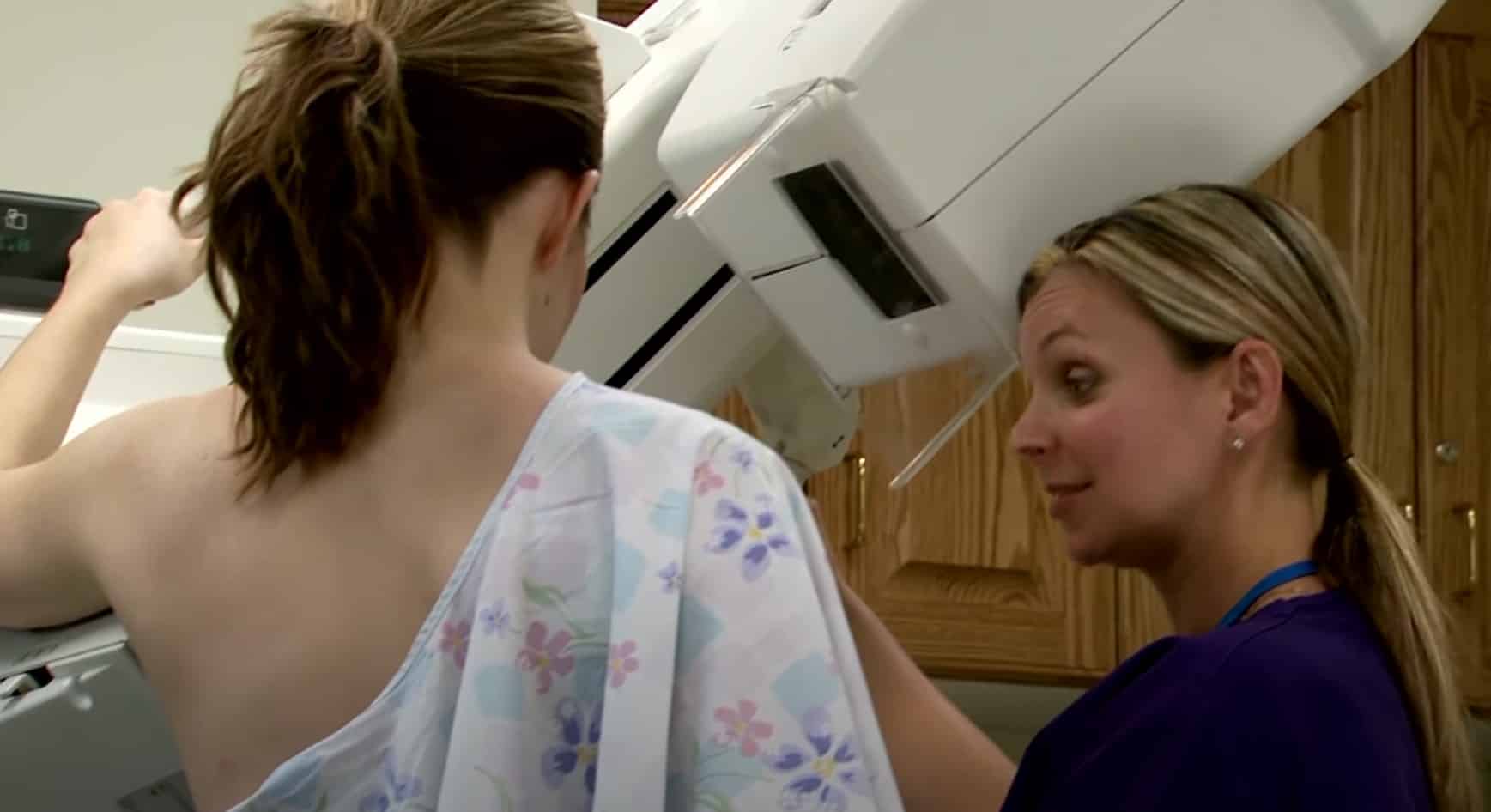
Breast cancer is the most common cancer among women in developed countries, and it is estimated that one in eight women worldwide will develop breast cancer at some point in their lives. Similarly, one in 75 women (1.4%) will be diagnosed with ovarian cancer at some point in her life.
Both breast cancer and ovarian cancer can be caused by genetic and environmental factors. More specifically, the main risk factors contributing to the development of breast and ovarian cancer are gender, age, positive family history, as well as lack of exercise, obesity, smoking, excessive alcohol consumption, and exposure to radiation. However, it should be emphasized that risk factors increase the likelihood of developing cancer, without necessarily meaning that one will become ill.
The majority of breast and ovarian cancer cases are sporadic, with no family history. However, 5-10% of breast cancer cases and 15-20% of ovarian cancer cases are thought to have a hereditary basis. The genes most frequently involved in hereditary breast and ovarian cancer are BRCA1 and BRCA2. The presence of harmful mutations in these genes, which are inherited in an autosomal dominant manner (a single copy of the mutation is sufficient to cause the phenotype), increases the likelihood of developing breast cancer by 85% and the likelihood of ovarian cancer by 20-40% compared to individuals who do not carry mutations in 85% and the likelihood of ovarian cancer to 20-40%. However, in addition to these two types of cancer, mutations in the BRCA1 and BRCA2 genes are associated with an increased risk of prostate cancer and pancreatic cancer.
The BRCA1 and BRCA2 genes belong to the category of tumor suppressor genes and are involved in mechanisms that repair genetic material, thus playing a very important role in maintaining the stability of the human genome. Mutations in these genes result in defective function of the corresponding proteins, leading to an inability to repair DNA damage, the accumulation of mutations in other genes, and ultimately the uncontrolled proliferation of cells and the formation of tumors.
It is therefore crucial to identify mutations in the BRCA1 and BRCA2 genes using modern genetic methods, providing information that is useful both in terms of patient management and treatment selection, and in terms of identifying and managing family members who are at increased risk of developing the disease.
Genetic testing is recommended in the following cases:
• When there are two first-degree relatives with breast cancer who were diagnosed before the age of 50.
• When there are three or more first- or second-degree relatives who have been diagnosed with breast cancer, regardless of their age at diagnosis.
• When there is a relative who has been diagnosed with breast cancer and ovarian cancer.
• When there is a personal or family history of cancer in both breasts (bilateral breast cancer).
• When there are two or more first- and second-degree relatives who have been diagnosed with ovarian cancer, regardless of age at diagnosis.
• When there is a male relative with breast cancer.
• When there is a personal or family history of triple-negative breast cancer (breast cancer that is negative for estrogen receptors, negative for progesterone receptors, and negative for HER2).
BRCA1 and BRCA2 genetic testing is performed using blood tests, without the need for any special preparation.
It is very important to carefully select the BRCA1 and BRCA2 gene testing center so that the genetic analysis is complete and reliable, including all point mutations, insertions and deletions, all duplications and deletions. The test should be performed using next-generation sequencing (NGS). The NGS methodology is currently considered the gold standard for identifying genetic changes in these two genes.
*Christina Yfanti, Molecular Biologist and Geneticist, Department of Molecular Genetics, BIOIATRIKI Group
Louise Irene MSc, PhD Laboratory Geneticist (ErCLG), Head of Molecular Biology Laboratory, BIOIATRIKI Group