The country has entered its third wave of the pandemic. This is the most difficult time for the entire country. The balance is delicate; it requires vigilance, empathy, and a clear understanding of the situation. These reflexes, which, so far, have proven to remain strong in the microcosm of Kythira. At least, this is reflected in the statistics from the actions of the relevant authorities, which, combined with the public’s response, offer grounds for optimism about the island’s future.
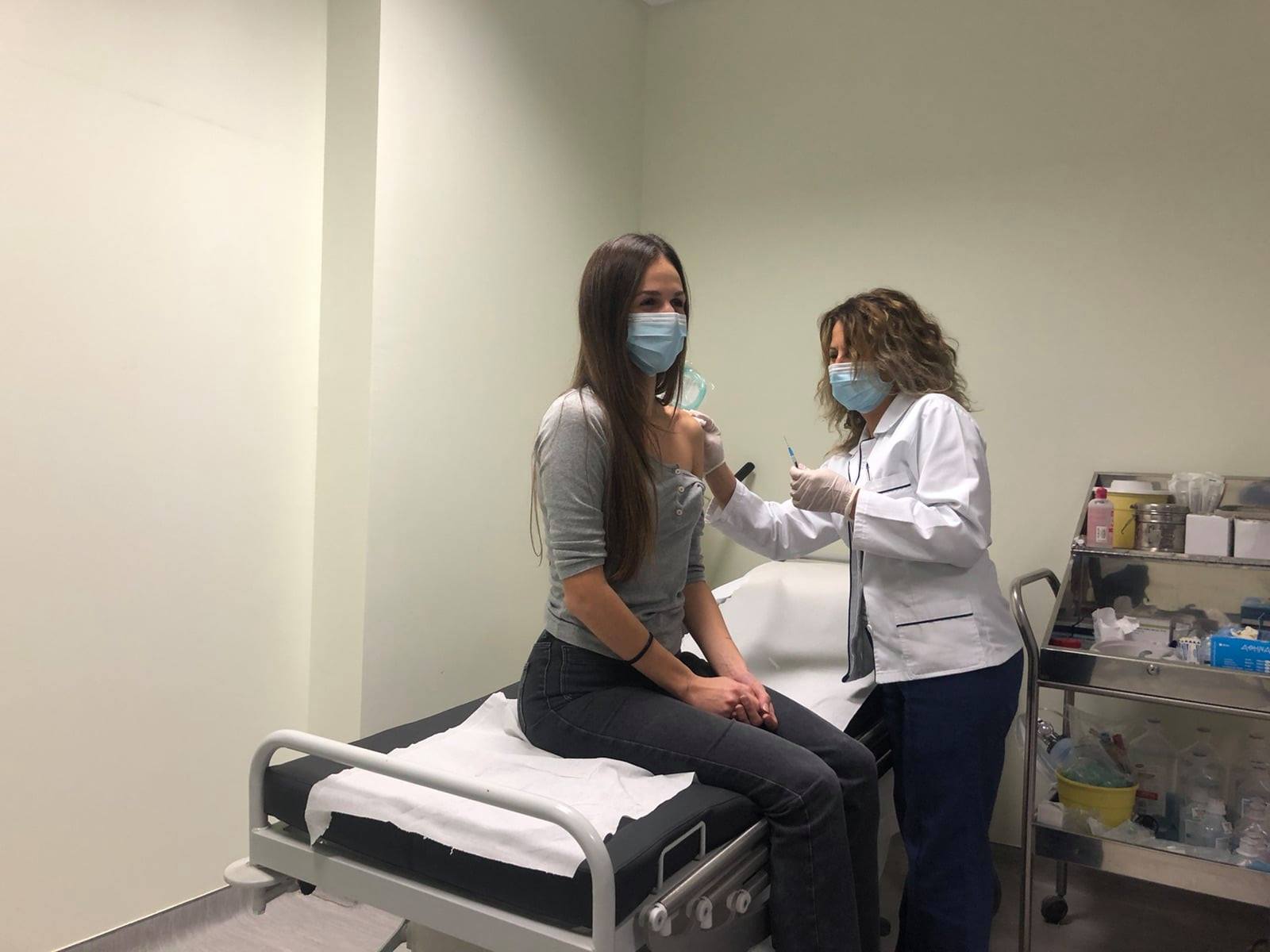
The second dose of the vaccine for vulnerable age groups has already begun (80+ and 85+), a process that is expected to be completed within the next 2 weeks. All the departments involved are working together toward a common goal, in accordance with the guidelines of the National Vaccination Committee and the Civil Protection Agency. The important thing is that a specific hierarchy has been established to address any gaps in the vaccination process in accordance with protocol. This hierarchy includes personnel from the Armed Forces and Security Forces based on the island, namely the Police, the Coast Guard, the Fire Department, and the Navy. Reliable sources indicate that there have been no gaps in the planning to date.
In the healthcare sector, the positive response to the prospect of vaccination reaches 95%. Of these, most have already been vaccinated, while the rest are waiting to address specific health issues (allergies, etc.) before getting their turn. There remains a percentage of skeptics, whose reservations will most likely be dispelled over time. Time and the example set by others act as catalysts in these cases. The contribution of a special team tasked with vaccinating the residents of the Kythira Nursing Home was also instrumental.
As these lines are being written, health authorities are awaiting the opening of the next age group to be included in the nationwide vaccination program, which, of course, includes Kythira.
At the same time, COVID-19 testing continues at various locations across the island, most notably at the port in Diakofiti but also in schools, where all the teachers who were asked to take the test did so willingly.
Also noteworthy is the support provided by the municipality, which has distributed 1,000 rapid tests so far while it is possible that it will acquire more in the near future. Here, it is important to emphasize how important its infrastructure is Trifyllion Hospital, in terms of the molecular testing capabilities it offers. After all, Kythera was one of the first islands to install a molecular analyzer. People familiar with the field told Kythera.News that It was precisely thanks to the availability of a molecular analyzer that, in the first reported case, it was possible to identify and isolate the case’s immediate contacts within a few hours.
Overall, To date, more than 600 rapid tests and about 320 molecular tests have been conducted on the island, figures that reveal how the people of Tsirigo have responded to the demands of the times. Of course, no one can know in advance to what extent the national crisis response strategy—as well as the island’s infrastructure—will be able to withstand the onslaught of the third wave, which we are only now entering.