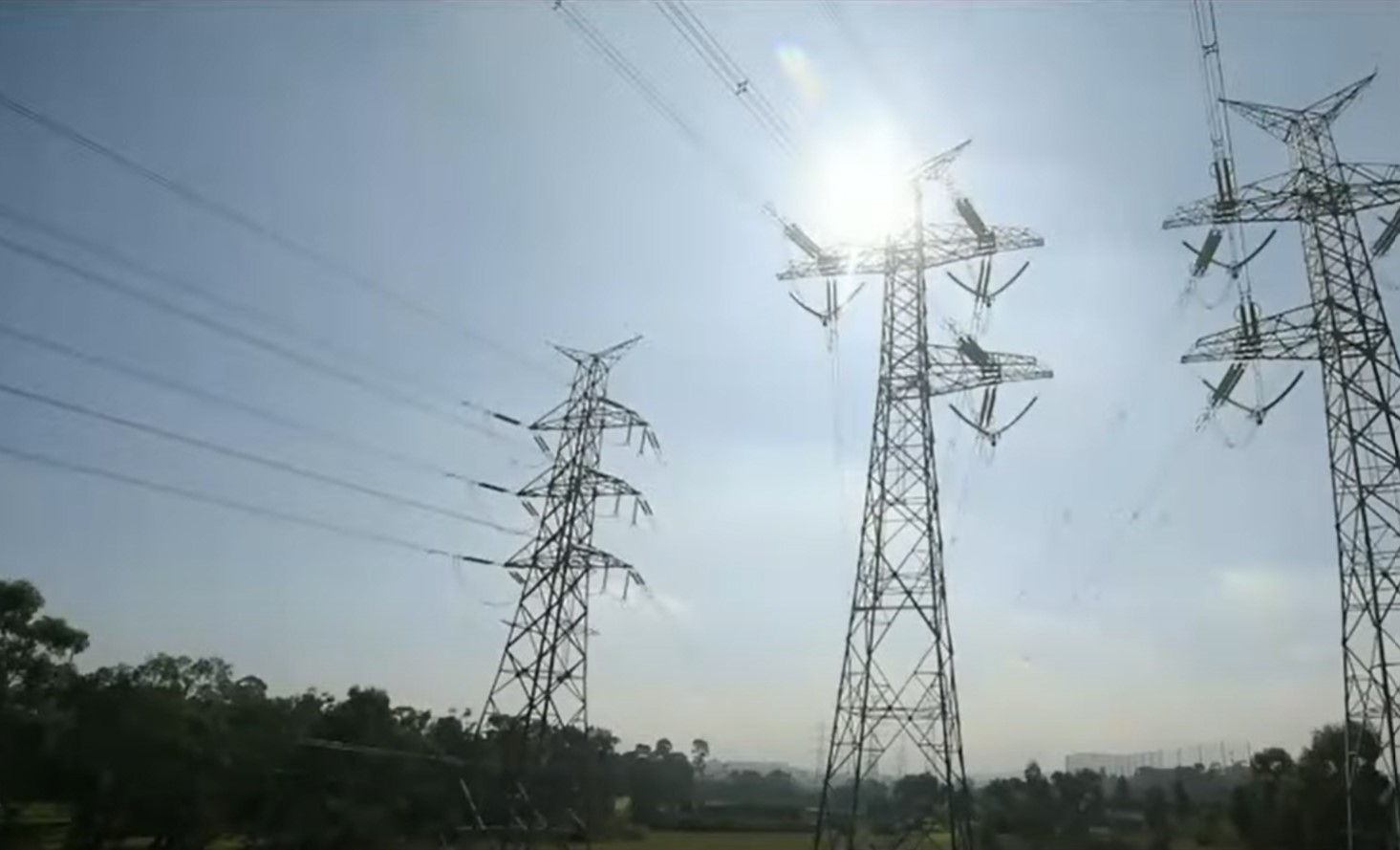
For days now, many states in Australia have been facing the risk of widespread power outages, also known as blackouts.
This phenomenon is not due to a lack of electricity production capacity in the country, but rather to the deliberate withholding of electricity production and supply by large producers.
The Australian Energy Market Operator (AEMO) initially imposed a cap on wholesale electricity prices. Prices have risen sharply for various reasons, including the increase in the price of natural gas and coal due to the war in Ukraine and the sanctions imposed on Russia.
Among the direct and indirect consequences are global shortages in the availability of coal for energy production. In addition, in Australia, energy production is also hampered by uncontrolled outages at coal-fired power plants.
The imposition of a cap limits the profit margin of large producers, which is not at all to their liking. Consequently, they have proceeded to restrict the production and distribution of electricity on the wholesale market, which, it should be noted, is not prohibited by the relevant legislative framework. In recent days, it is estimated that electricity production has been reduced by 2 gigawatts in Victoria, 3 gigawatts in NSW, and 1.5 gigawatts in Queensland.
The result of this practice, quite simply, is that production cannot meet demand, creating the risk of uncontrolled blackouts or even controlled power cuts (load shedding) in order to relieve pressure on the grid.
In order to avoid these interruptions, production companies are encouraged by the Regulatory Authority to increase their production, which brings them additional compensation.
The intervention of the Regulatory Authority
The spot market, or energy exchange, is where producers sell electricity to retail companies outside the framework of predefined supply contracts.
The price therefore fluctuates throughout the day, based on demand. For example, late at night this price is much cheaper due to limited consumption. And recently, due to the problems mentioned above, prices have skyrocketed.
Now, with the suspension of the exchange, AEMO completely determines the prices by compensating producers with the amount it considers fair.
This move is expected to prevent market instability and the constant risk of blackouts.
However, tonight from 6-8 p.m., the country's most populous state, NSW, faces the risk of a blackout, as Federal Energy Minister Chris Bowen pointed out.