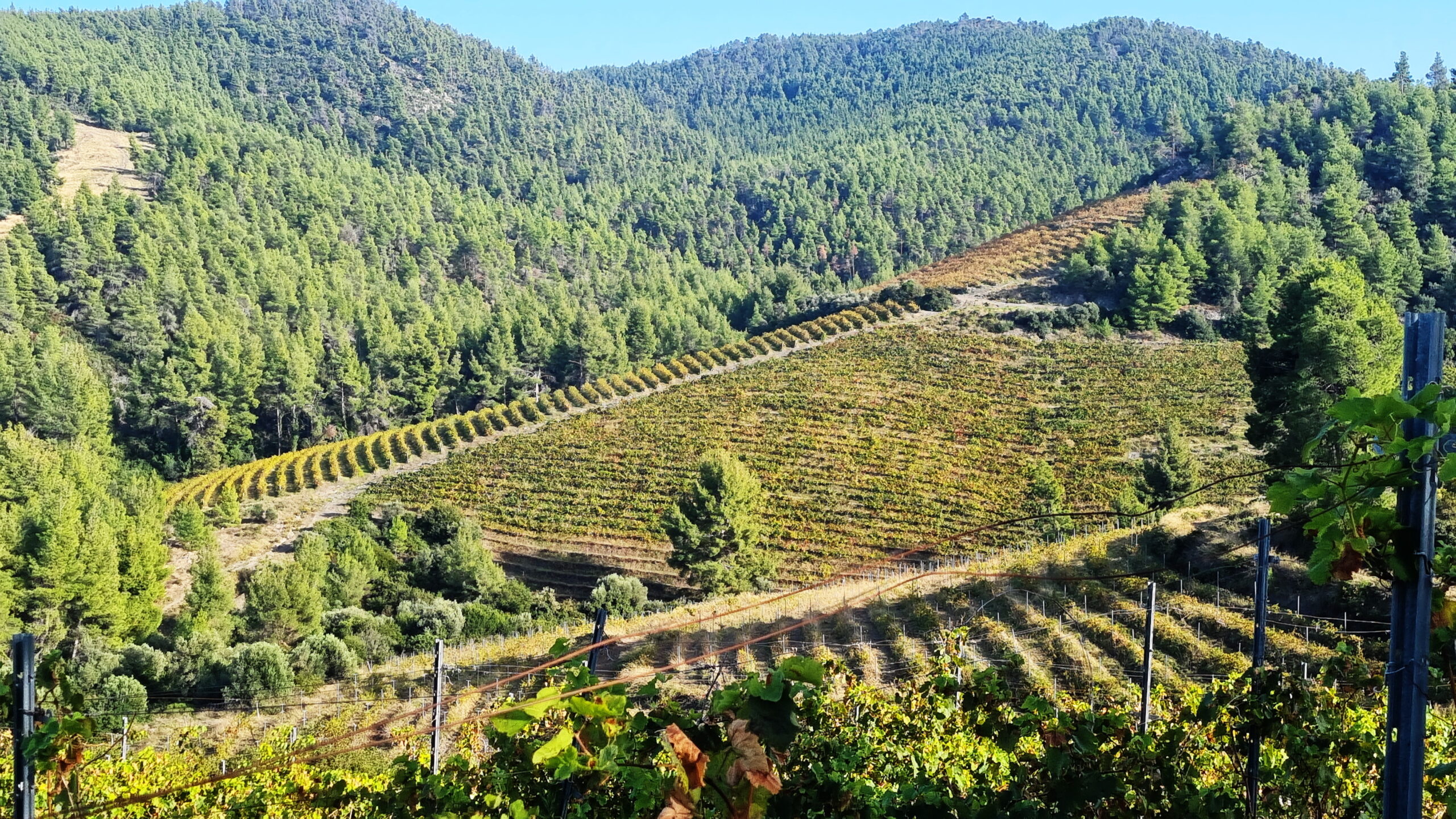
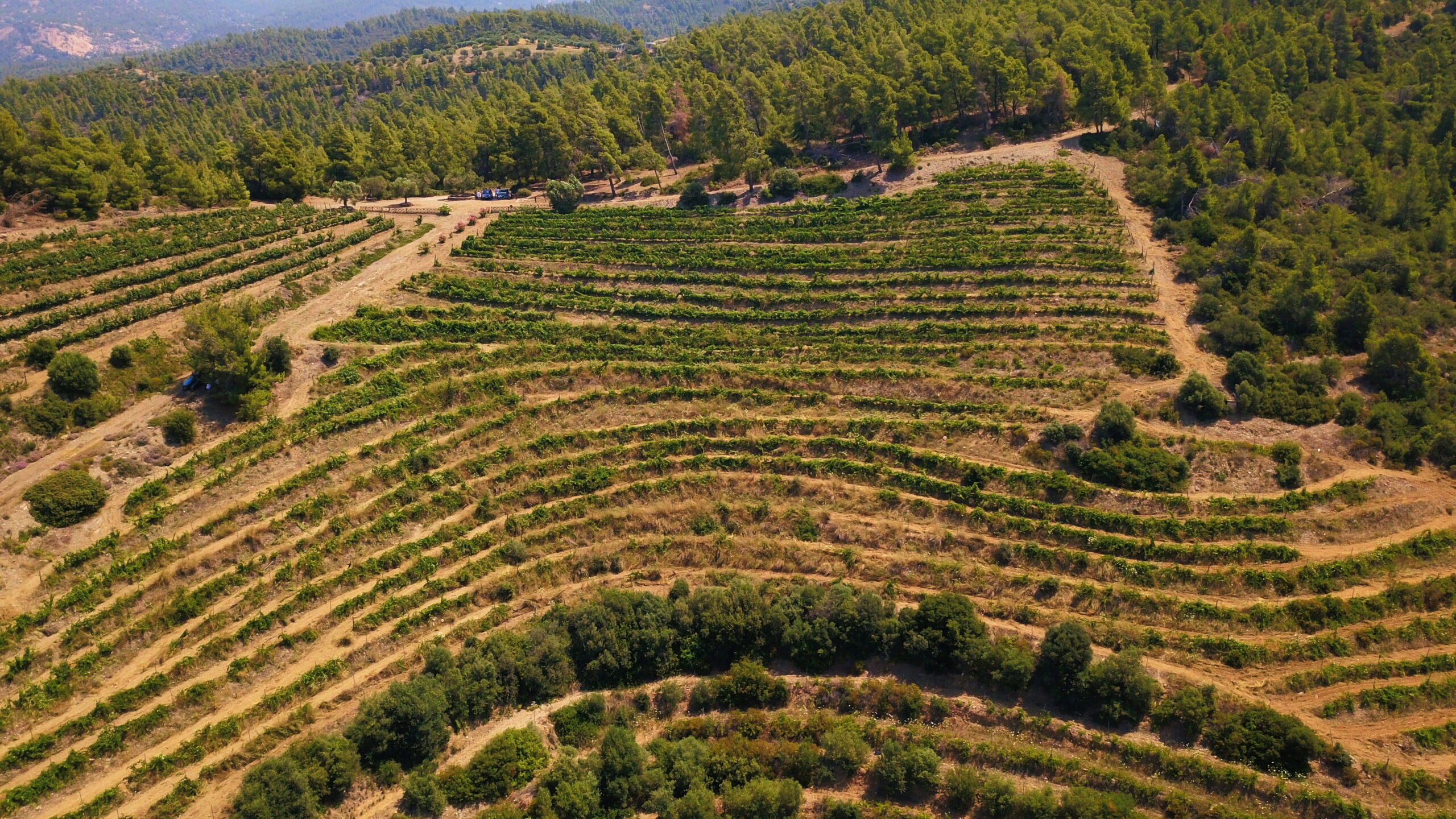
It is spring, early in the morning, as a group of people are pouring down the slopes of Meliton, among the long rows of vines that reach as far as the eye can see, from sea level to an altitude of 350 metres. The vineyards - and with them the people - «climb» up the mountain between an impressive pine forest, a huge olive grove and the wild flowers of the rich local flora. Within this special area of 4500 hectares, in the largest organic vineyard in Greece and one of the largest in Europe, a large regeneration project is underway, which, apart from passion, also requires hard manual work: the slopes of the mountain slopes are such that the tractors that «plough» other large vineyards are more difficult to use here, so man and small viticultural tools have the first say.
The aim of the team on the mountain is to proceed with the regeneration of the historic vineyard of the Porto Carras Estate, as part of a project called «New Era». Thus, these same vines - some of which are more than half a century old - will be able to be regenerated to yield the raw material for «great wines», which will be placed in «fine restaurants and cellars», not only in Greece, but also in London and New York, in regions of Germany and Canada.
Work on the regeneration began in the spring of 2022 and, as Christos D. Katsanos, co-founder of DKG Group, project and marketing director of the project, explains to APE-MPE, in addition to these, the process of repositioning and rebranding of the Estate's wines has already begun, with the prospect of the project being completed in its entirety in 2029.
Man and vine
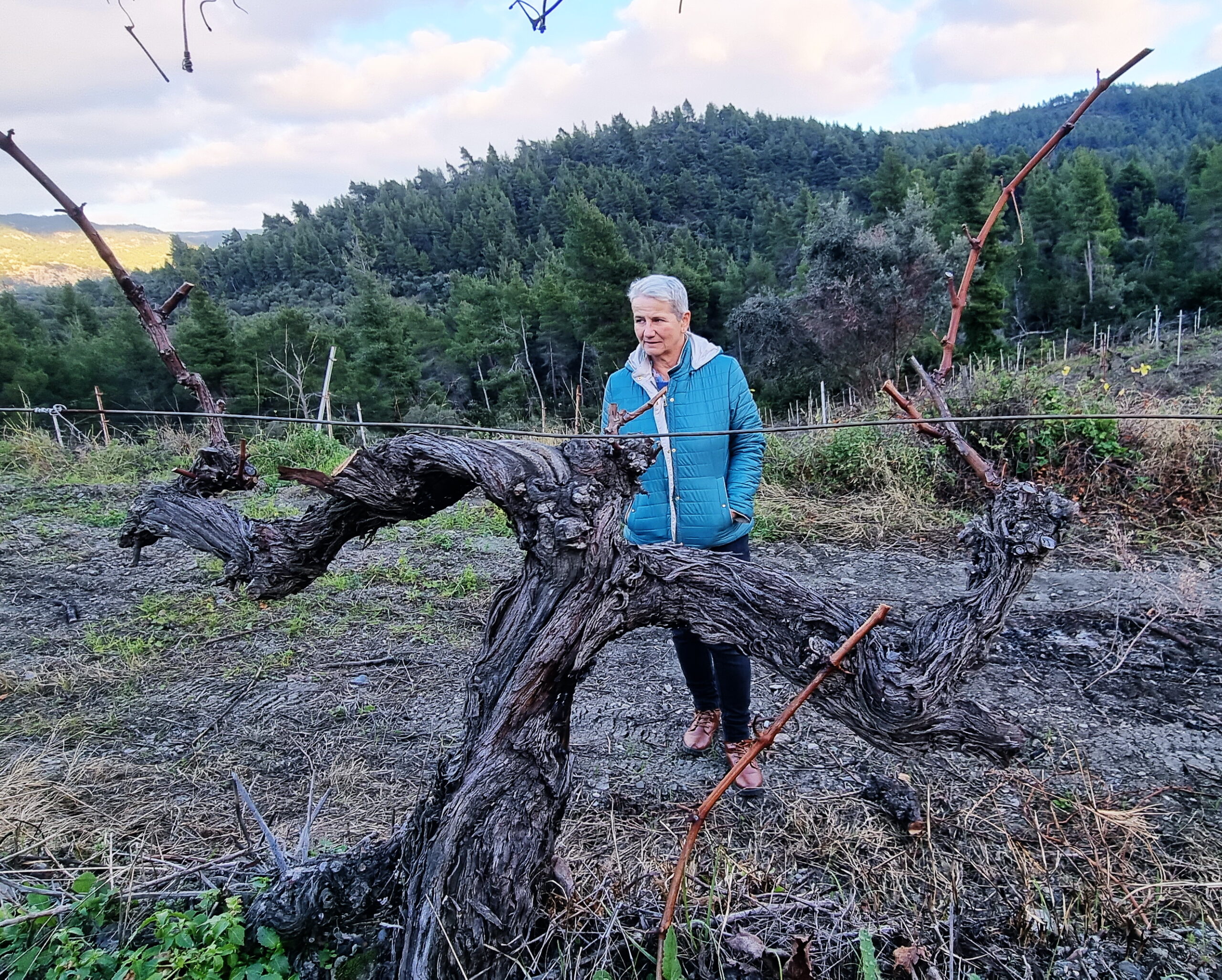
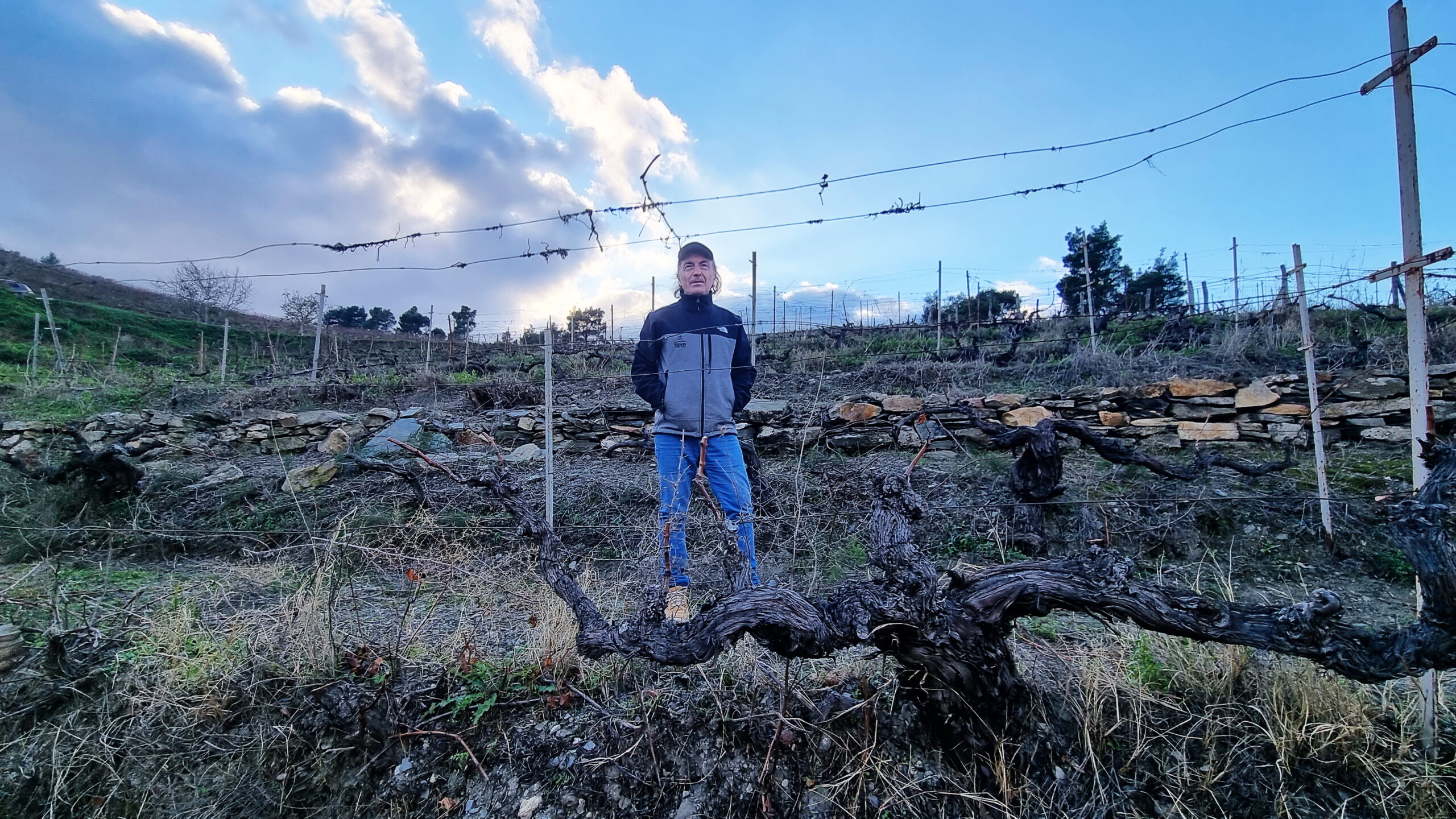
But it all starts with the raw material, namely the 50-60 year old vine stumps, which are given a second life with regeneration pruning, optimal soil management and retention and natural bio-stimulants, so that the vines become more resistant to their biological enemies and frost.
«We started preparations on some plots last year and I was impressed to find that these stumps can produce better potential than I expected, both in terms of production and character. And all this has a meaning for the person himself: when a vine at your age gets a second life and shows an enhanced character, you realize that a person's life can also have many creative and productive cycles, during which the character improves. Katsanos, who first discovered this vineyard as an agricultural student 35 years ago and fell in love with it ’at first sight», considering it «one of the greatest viticultural wonders in Greece».
The renaissance, he says, was decided by the new management of Domaine Porto Carras, who «understood our proposal that the next day of the vineyard should be based on its historical character, which is strong. It is indicative that the second cultivation in Greece of the »Cabernet Sauvignon« variety took place around 1967 at Domaine Porto Carras, just one year after the first one, at Domaine Averoff. There are a total of 27 varieties on the estate. However, during the rebirth, the emphasis is first of all on the indigenous varieties Limnio (Porto Carras has the oldest and largest vineyard of the variety in Greece, with vines planted around 1967), Malagouzia (although it originates from the
Nafpaktia, in Porto Karras is the oldest original vineyard of the once forgotten variety, which was “rediscovered” in this estate), Assyrtiko (the oldest and largest vineyard of the variety outside Santorini is located in the estate), Athiri, Roditis, Muscat of Alexandria and the foreign Cabernet Sauvignon, Cabernet Franc and Cinsaut».
Vines with climate change resistance and strong character
Christos D. Katsanos explains that the reason why the stumps were not uprooted in order to plant new vines was that these plants, with decades of life in this particular -and so special- terroir, «know» how to keep their character against the attacks of climate change, while other varieties do not do as well. Alongside the work of regeneration, another process is also «running»: the preservation of material from these stumps in order to keep pieces for blending.
And if this whole process of rebirth resembles a composition of music, from which something new emerges «on top» of old scores, the «conductor» is the agronomist Dr. Haroula Spinthiropoulou, «a very strong viticulturist, with her own winery, who has studied the Greek vineyard thoroughly». Christos D. Katsanos and Haroula Spinthiropoulou were initiated into the special secrets of great vineyards when they worked together in Romania between 2009 and 2012 on a 26,000-acre estate, even bringing back to light forgotten Romanian varieties. The core team is completed by, in addition to the CEO of «Domaine Porto Carras», the Muscovite doctor Sergei Smirnoff, the oenologist Efrosini Drosou and Irini Savvidis of the «Melissanthi Experience Hall».
But for the estate to move into a new era, it is necessary to reposition its wines in the market. In this context, the emphasis is on the production of very high quality - and higher priced - wines, emblematic wines of Protected Designation of Origin (PDO) and limited editions (limited bottling). That is why the number of 28 wines released under the Domaine's label will be drastically reduced to just ten, with the aim of rebranding them to be placed on «higher» shelves in Greece and abroad.
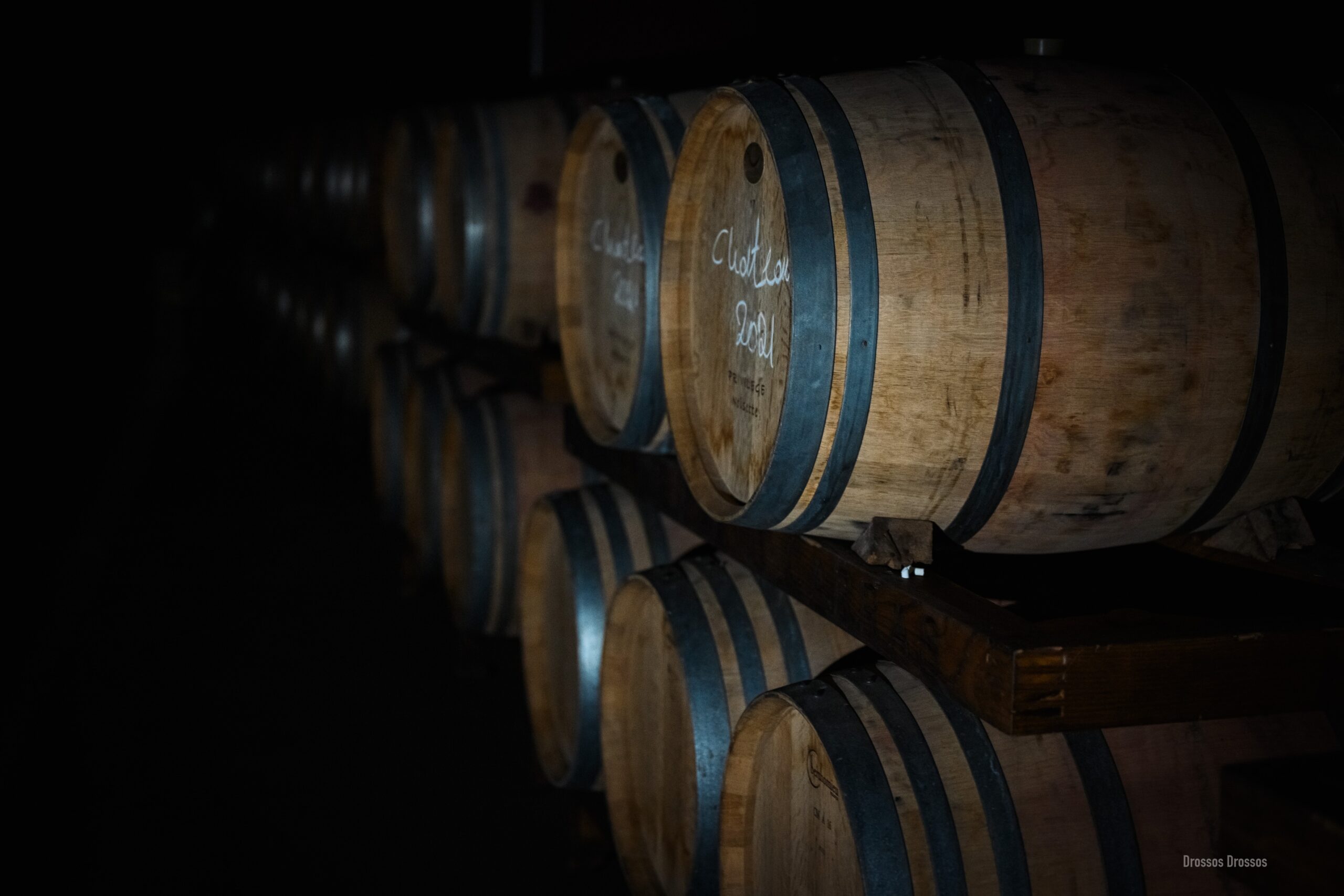
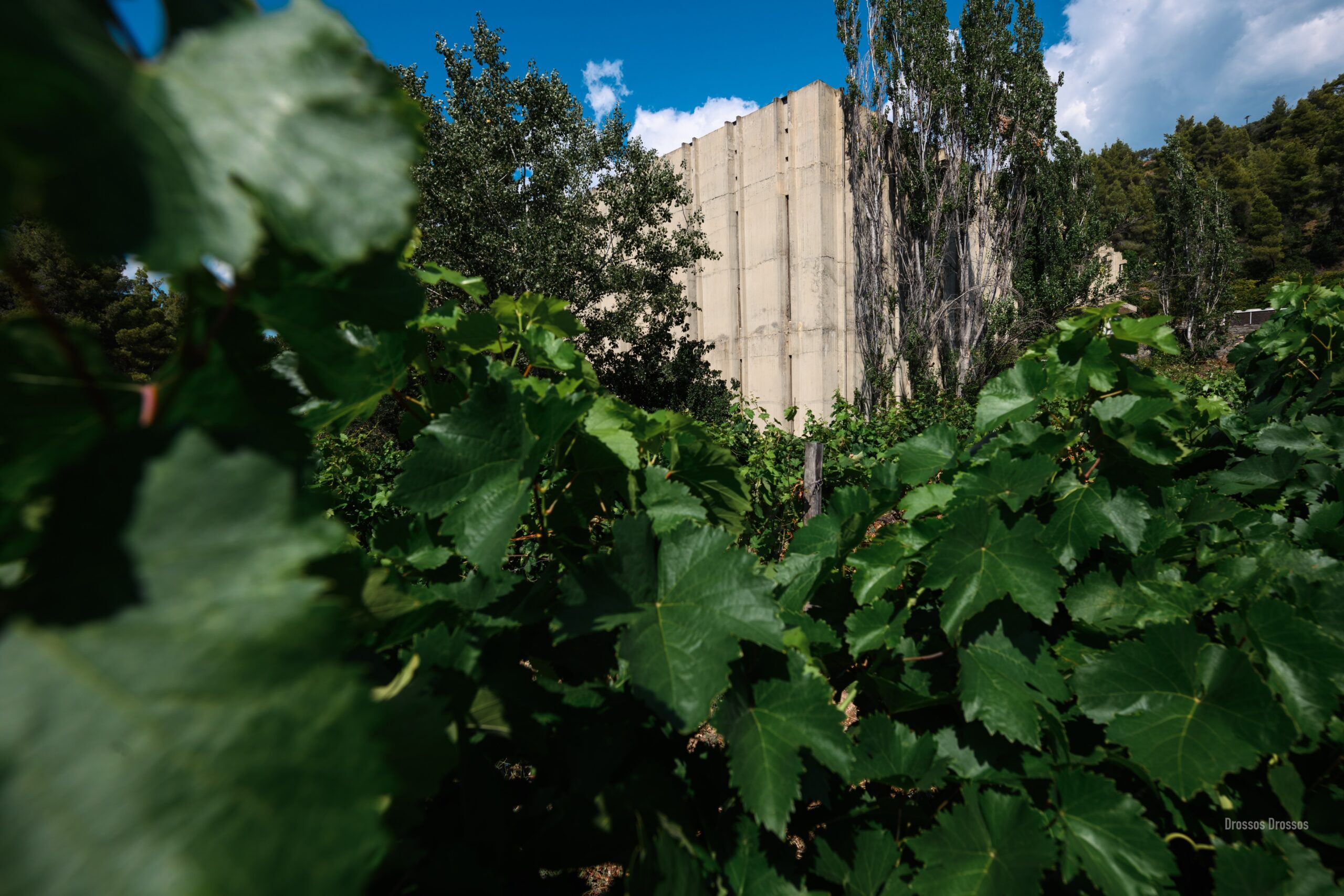
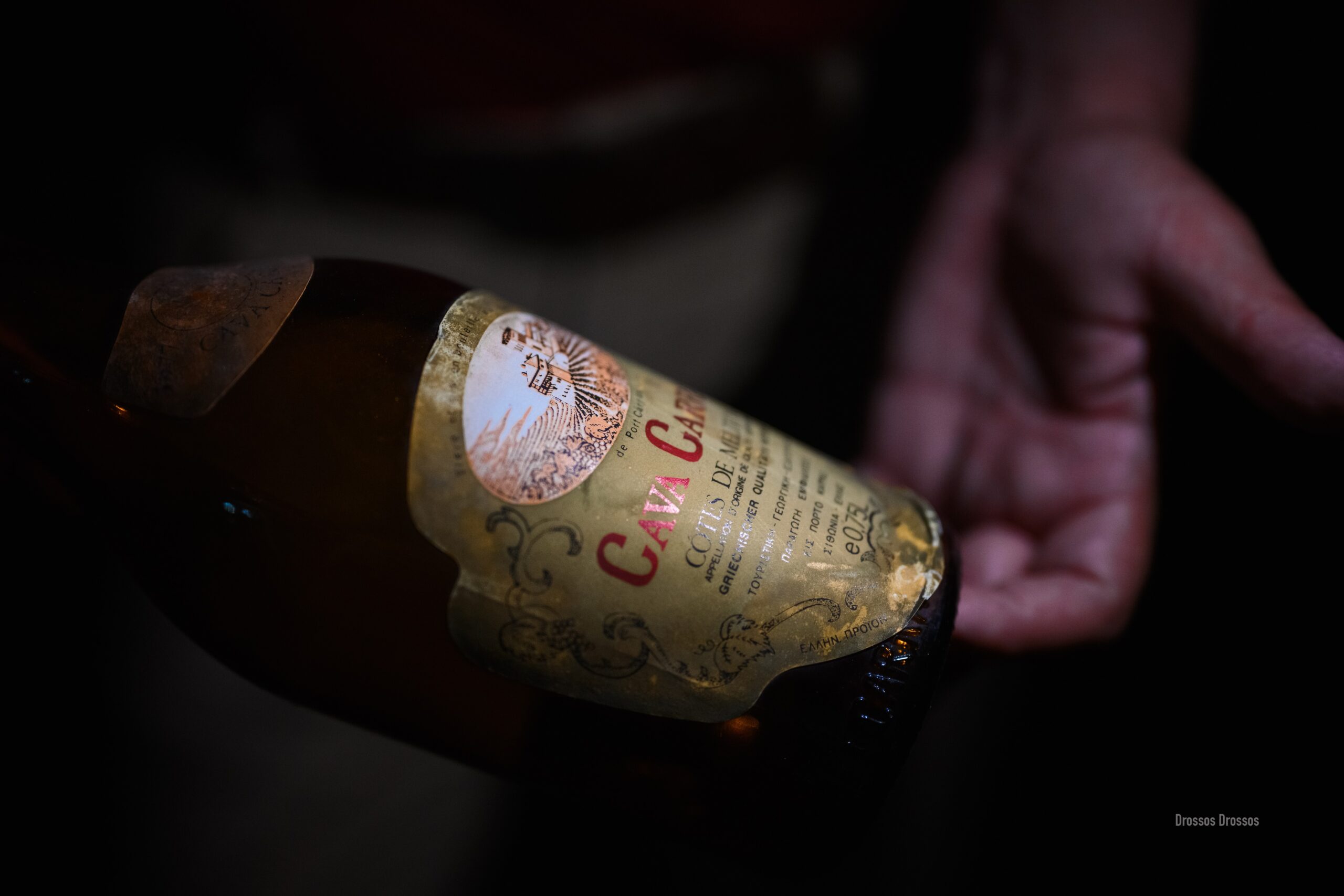
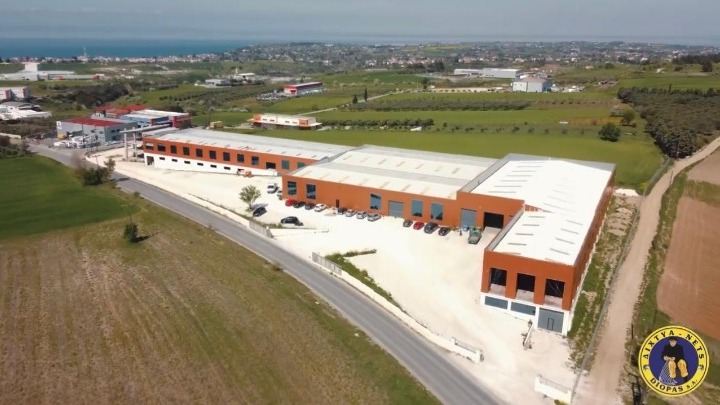
The «New Era» project includes interventions in the winery of the estate, built around 1968-1969, for which -as Christos D. Katsanos says- there are plans that are considered certain to have been made by the founder of the Bauhaus architectural school, Walter Gropius, a personal friend of Yannis Karras. The architectural lines of the building are understood to be retained, but the winery's mechanical equipment will be updated, which is expected to be completed in 2023. The winery's ageing cellar houses barrels and some special bottles, such as the «Porphyrogenitus», the flagship of «Domaine Porto Carras», which is released every ten years. The oldest bottle of «Porphyrogenitus» in the cellar was bottled in 1975.
All this potential - the huge organic vineyard on the mountain slopes of exceptional beauty, the unique winery, the cellar - will be used to attract wine tourists, who will be able to participate in the vineyard or take part in the harvest, before tasting the Estate's wines, accompanied by a meal in the Melissanthi Hall. «Our aim is not to restore the Porto Carras Estate, but to create something new, with international characteristics, respecting the heritage of the cosmopolitan Yannis Carras» concluded Christos D. Katsanos._
Alexandra Guta