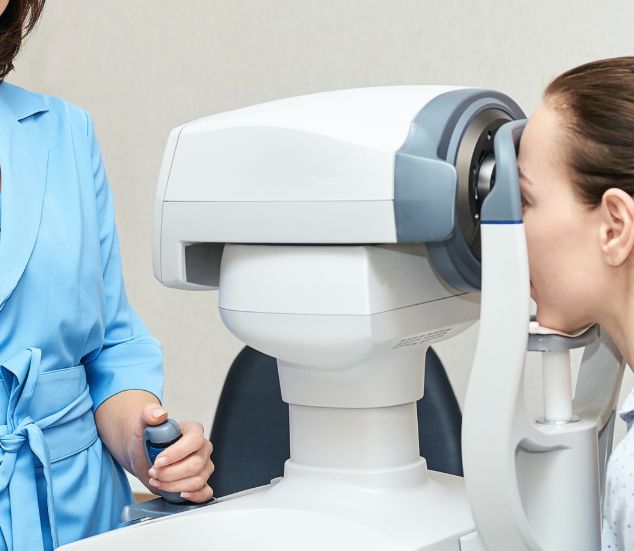
Retinal detachment is a serious eye condition that requires immediate treatment. The retina is the thin nerve tissue that covers the inside of the eye and is responsible for converting light into images. When detached from its natural substrate, it can lead to vision loss if not treated in time.
What is retinal detachment
Η retinal detachment is a serious eye condition in which the retina, the thin tissue at the back of the eye responsible for converting light into nerve signals, detaches from its underlying supportive layer. This can disrupt blood flow leading to loss of vision if it is not addressed directly. The condition can progress rapidly and can permanently affect vision if the detachment is not repaired.
Roles of the retina
Ο retina is one of the most important tissues of the eye, as it is responsible for the conversion of light entering the eye on nerve signals, which the brain interprets as images. It is an essential part of the visual system. The roles of the retina are as follows:
- Perception of light: The retina contains photoreceptors, special cells that perceive light
- Converting light into signals: Photoreceptors convert light stimuli into electrical signals through a process called Photoconversion.
- Transmission of signals to the brain: The electrical signals are transmitted through the retinal neurons to the optic nerve, which carries them to the brain (the occipital lobe) for processing and creation of the final image.
- Colour and detailed vision: In the centre of the retina is the macula, which is responsible for sharpness and colour vision, especially during the day.
- Motion perception and peripheral vision: The rods in the peripheral retina detect movement and ensure peripheral vision.
What causes retinal detachment?;
Η snip can arise from a number of reasons:
- Tear or hole in the retina: An opening is created that allows vitreous fluid to pass through and cause detachment.
- Attractive detachment: It is caused by scarring or intense traction of the retina by the vitreous body, usually due to diabetic retinopathy or injury.
- Exudative detachment: It occurs when fluid accumulates under the retina without rupture, usually due to inflammation, tumors or vascular disease.
Symptoms of Retinal Detachment
The most common symptoms include:
- Sudden onset of myopes (black spots that float in vision)
- Flashes of light (photopsies)
- Reduced vision or blurred vision
- Sense of a shadow or curtain covering part of the field of vision
Retinal detachment: Symptoms
The Symptoms of clipping of retina often appear quickly. If retinal detachment is not treated immediately, more of the retina may detach - increasing the risk of permanent vision loss or blindness.
If only one is detached small part of the retina you may not have no symptoms. But if more of your retina is detached, you may not be able to see as clearly as normal and you may notice other sudden symptoms, such as:
- Sudden spots or blurred lines floating in your vision
- A dark shadow like a curtain at the side or in the middle of your field of vision
- Flashes of light in one or both eyes called photopsies
- Blurred vision
- Side vision (peripheral vision) that gets worse
Retinal detachment treatment
Η retinal detachment is mainly treated by surgery, which depends on the severity and type of the detachment. The most common methods include:
- Laser- Photocopying: They are used to encircle small cracks or holes.
- Hyalonectomy: The vitreous is removed and replaced with a special gas or liquid to put the retina back in place.
- with laser or cryocoagulation.
Postoperative Recovery and Care
After surgery, special instructions for postoperative rehabilitation are required:
- Correct head posture: Depending on the treatment, a specific position may be required for retinal fixation.
- Avoiding intense physical activity for at least a few weeks.
- Regular visits to the ophthalmologist to monitor recovery.
The Eyecenter has specialized ophthalmologists who can inform and guide you in the treatment of retinal detachment. Do not hesitate to contact contact us for more information.