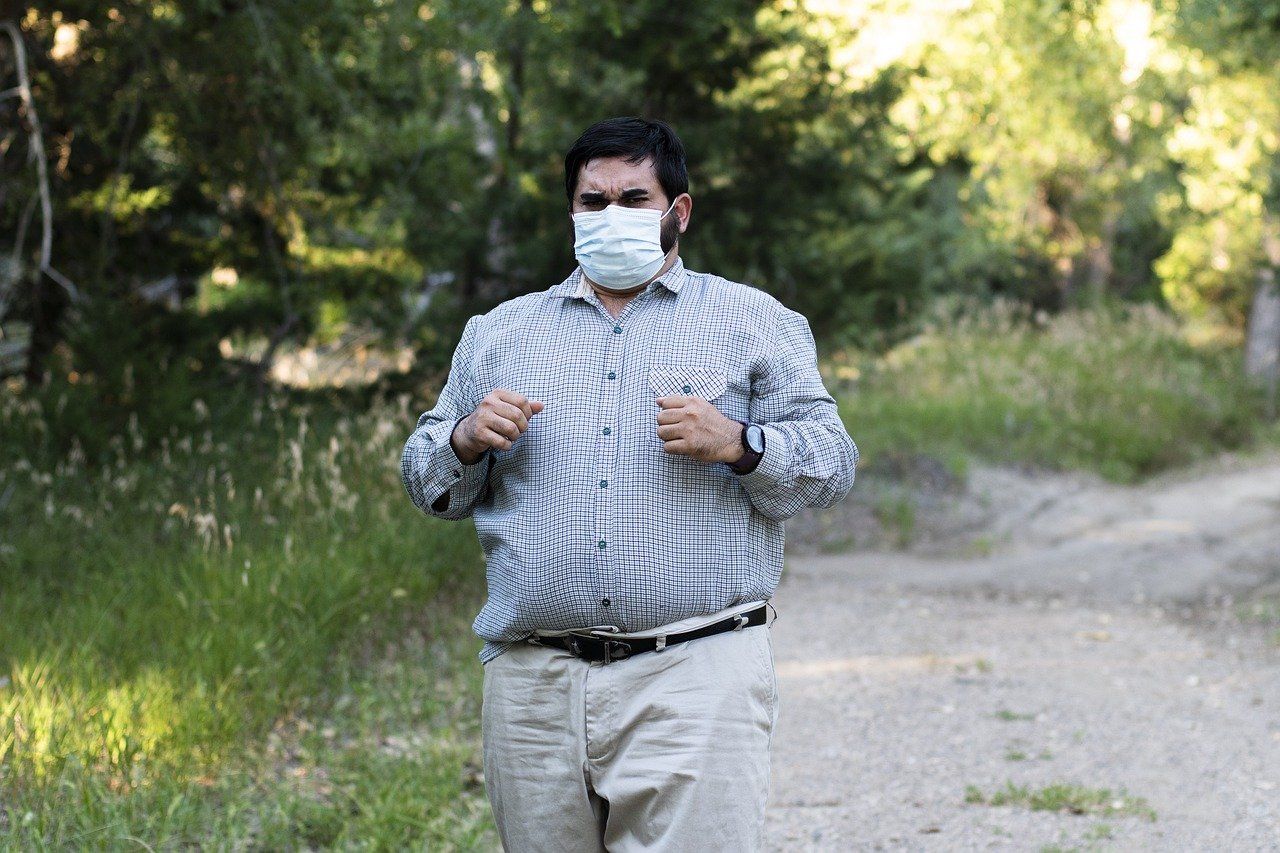
Many (45%) are aware that there is a clear link between obesity and its more serious symptoms COVID-19. To reduce the likelihood of severe COVID-19 symptoms, more people believe that exercise (38%) would help with weight loss (17%).
In all 30 countries where the study was conducted, one-third (31%) of the people gained weight since the start of the pandemic. However, the rate of weight gain varies significantly from country to country with more than half of the people gaining weight in Chile and Brazil, (30-40%) and gaining weight in Peru, India, Italy, Saudi Arabia, the U.S., Spain, South Africa, and Turkey, while in China and Hong Kong, fewer than 1 in 10 reported gaining weight.
On average, people who gained weight during the pandemic (31% of the global population) gained an additional 6.1 kilograms.
Changes in other behaviors related to lifestyle and health were more subtle and specific. Although globally, more than a quarter (27%) exercised more, 23% exercised less.
Alcohol and Smoking
According to data on weight gain, more than half of the people in China (57%) have been exercising more since the start of the pandemic, however, more than one-third of people in Belgium, Chile, and Italy have been exercising less.
Changes in his habits smoking changed by a few percentage points worldwide (4% quit smoking and 3% started).
Symptoms and Obesity
Nearly half (45%) of the global population believes there is a link between obesity and more severe symptoms of COVID-19 among those who contract the virus. This figure rises to 8 in 10 in Peru and to two-thirds (64%) in the United Kingdom.
Nearly 4 out of 10 (38%) stated that they believed regular exercise would reduce the risk of experiencing severe COVID-19 symptoms for those who have contracted the disease. This was compared to nearly one-third (28%) who said that quitting smoking would help, and about one-quarter (26%) who said that taking vitamin D supplements would help.
There were significant differences around the world regarding the belief that vitamin D could help only 1 in 10 people in Japan, Germany, and Australia, where people believed it could help, while this percentage was significantly higher in Hungary and South Africa, where 4 out of 10 people believe that vitamin D could help.
Weight loss was found to reduce the risk of severe symptoms in only 17% of the global population, but this number is significantly higher in Great Britain, where 45% believe that weight loss would help—and notably higher than the next highest percentage in the Low Netherlands, at 34%.
45% of people say they are trying to lose weight
Two-thirds (60%) of people in Chile are trying to lose weight, as are > 50% in Spain, Peru, Saudi Arabia, Singapore, and the U.S. Of those actively seeking to lose weight, one-third (31%) say they want to lose weight gained during the pandemic, but two-thirds (62%) say they want to lose weight that was not gained during the pandemic, and only 15% want to lose weight to reduce the risk of severe symptoms should they contract COVID-19.
Among those who are actively trying to lose weight and are doing so to reduce the risk of serious symptoms if they were to contract COVID-19, one-fifth (19%) said that this is their main motivation for losing weight, and another two-thirds (64%) said that it is important but not their main motivation.