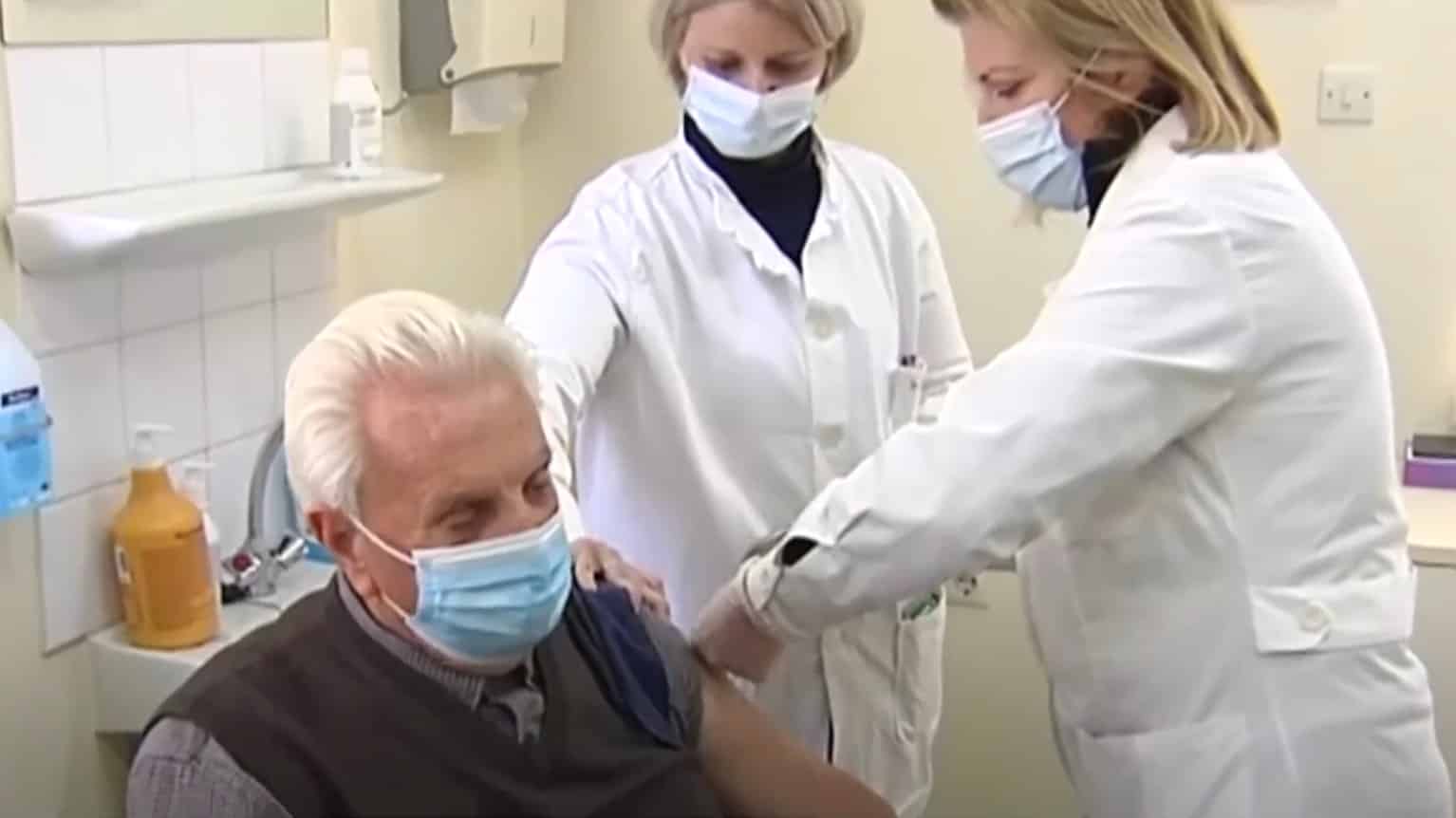
The side effects observed after a booster dose of the Pfizer and Moderna COVID-19 vaccines are ”similar” to those experienced after the second dose, according to a study published by U.S. health authorities.
This data was collected from several thousand people who received a third dose of their vaccine between mid-August and mid-September, at a time when the booster dose had been approved for certain immunocompromised individuals in the country.
”The study shows that ”booster shots are currently well tolerated,'" said Roselle Walinski, director of the Centers for Disease Control and Prevention (CDC), said during a press conference.
”The frequency and type of side effects were similar to those observed after the second doses of the vaccines and were mostly mild or moderate and short-lived,” he added.
As of September 19, more than two million people had already received a booster shot in the U.S., according to the CDC.
The data released today are based on nearly 20,000 people who are registered with an app (v-safe) and completed a questionnaire after receiving their vaccination.
Among those who completed this questionnaire after each of the three doses, nearly 79% reported a local reaction after the third dose (pain at the injection site…) and 74% reported a so-called systemic reaction—that is, one affecting the entire body (fatigue…).
After the second dose, these numbers were 78% and 77%, respectively, and were therefore very similar.
Among most of the more than 20,000 people, nearly 28% said they were unable to continue their usual daily activities after the third dose, mostly on the day after vaccination.
However, the CDC warns that these data are not representative of the U.S. population, as the majority of people registered on the app were white.
Furthermore, the study does not necessarily focus solely on immunocompromised individuals, as other individuals may also have received a third dose in violation of the recommendations in effect at the time, the CDC clarifies.
Since the end of last week, U.S. health authorities have expanded the eligible population for a third dose of the Pfizer vaccine. From now on, people aged 65 and older, as well as certain ”high-risk” individuals due to their health condition or occupation, particularly when their work exposes them to the virus.