You'd think that in the middle of pandemic it would have been understood that in the future we will be called upon to face health and environmental crises again, with the latter becoming more intense and frequent. At European Commission but also in European Parliament, the message has been received, which is why the new Fund is called «Recovery and Resilience». In our country, unfortunately, we do not give due importance to Resilience. That is why many of the old-style public works proposed by the government were rejected in Brussels. The EU has changed and the days of simply handing out money are over.
To face the challenges of the future, we must make good use of the unique opportunity of the 31 billion Recovery & Resilience Fund, with a focus on Resilience. The Government emphasises the significant increase in GDP that the Fund will deliver, without focusing enough on what will happen after 2027 when the programme will end and we will have to deal with the issue of loan repayment. Unfortunately, a large part of the TAA is in the form of loans. The present project may be technically solid but lacks a vision for a strong Greece, with a sustainable, green, resilient economy, which will lead, in the long term, to the creation of an improved standard of living for citizens.
So while in theory the government's proposal is compatible with the growth narrative, in substance the development it proposes is highly selective and concerns a very small part of Greek society.
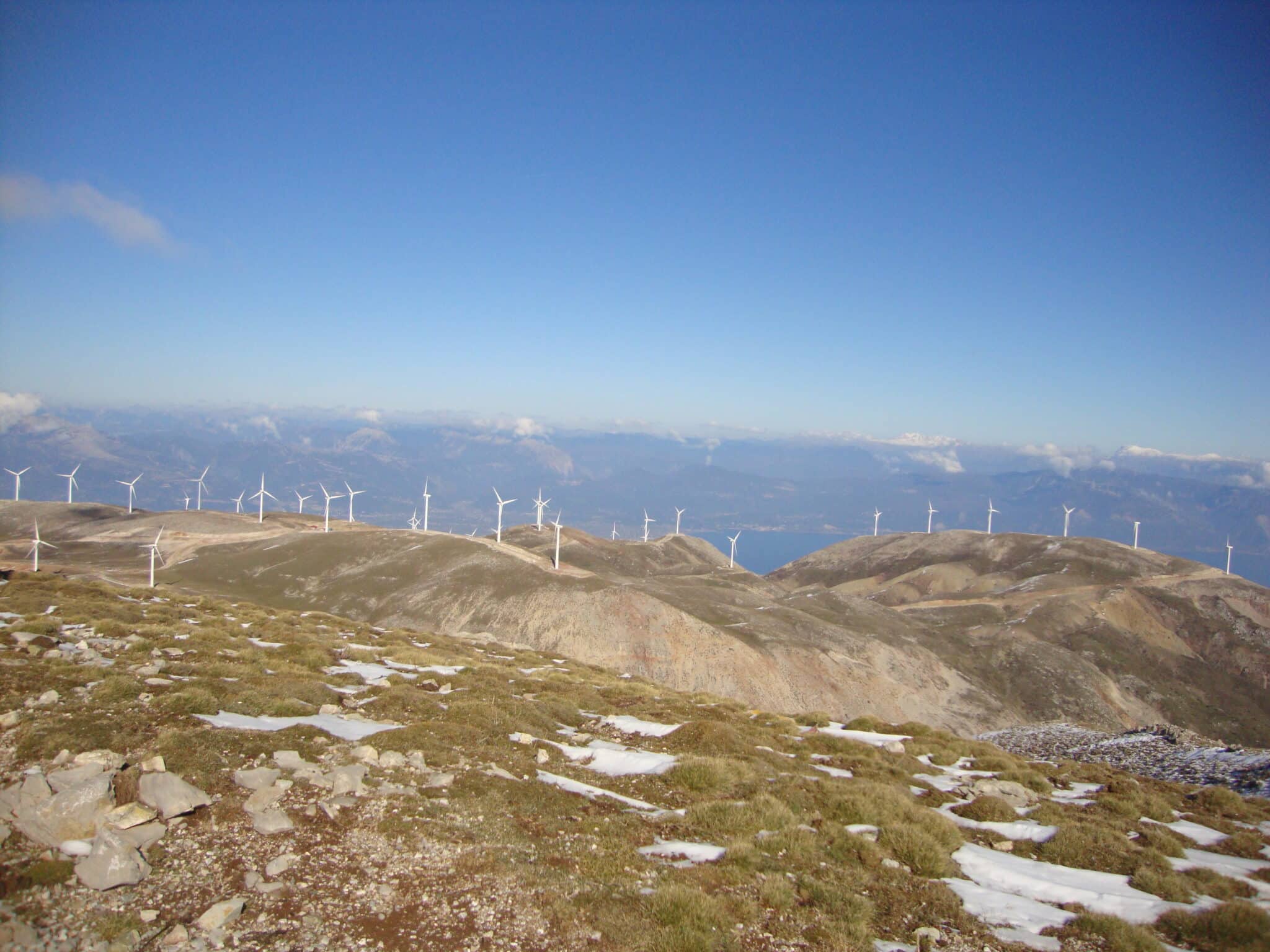
The government on the contrary promotes the logic of large-scale wind investments by a small number of business groups, knowing that there is a lack of proper land-use planning for onshore or offshore wind farms and that many of the investments will have an irreversible impact on the environment. The examples of Agrafa or the small islands and islets of exceptional beauty and ecological importance in the Aegean, with the strong reactions of the local communities, do not seem to have sensitized those in power. If the government were really in the mood for a green transition, it would handle the Fund very differently.
By Ilias Papatheodoros