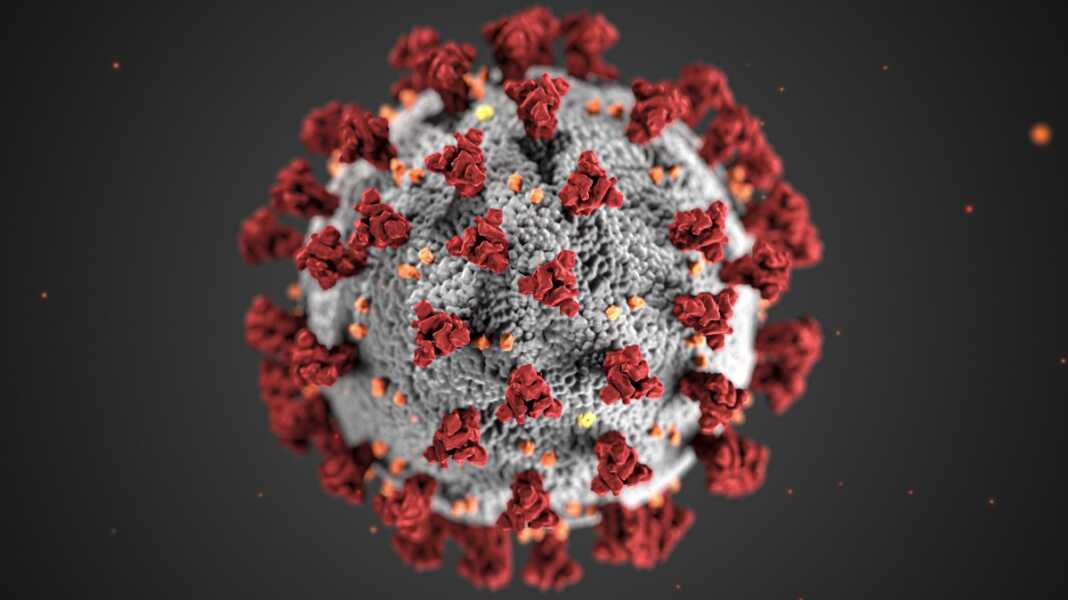
Influenza Virus (Influenza Epidemics)
One of its forms is the well-known H1N1, which may not have caused widespread deaths, but he pointed out that the flu virus can potentially lead to a pandemic. It usually poses a health risk when it mutates into more deadly strains.
Zika
A disease that causes widespread destruction of brain cells in fetuses and alters the shape of their heads, making them much smaller than normal. The disease thrives in tropical climates and is transmitted by the bite of the Aedes aegypti mosquito or through sexual contact. Children born as a result of the disease require round-the-clock medical care, and their life expectancy is drastically reduced.
Ebola
The most recent large-scale Ebola outbreak demonstrated that an epidemic affects not only human lives, but also the entire way of life and the economies of countries. It is transmitted primarily through contact with bodily fluids. The 2015 epidemic caused massive changes in the policies of Western countries, as there is believed to be no reliable treatment. The plight of victims, especially in Africa, has produced some of the most harrowing images we have ever witnessed.
Cholera
It is caused by a bacterial infection that produces a massive amount of fluid in the intestinal cells. This leads to severe diarrhea and vomiting. It is transmitted through contaminated food and liquids. This causes large-scale outbreaks in the most densely populated areas over short periods of time.
The most recent cholera outbreaks occurred in Haiti following the major earthquake of 2010 and in the conflict zones in Yemen and Syria.
SARS
It is a respiratory disease caused by a coronavirus. During its outbreak, which began in southern China, it spread to 37 countries.The symptoms resemble those of the flu, but can progress to viral or bacterial pneumonia. There is currently no vaccine, and the only treatment is quarantine, isolation of patients, and personal hygiene. SARS mysteriously disappeared from this world. Although humanity’s response was immediate, it reminds us that nature itself can often intervene for the good of us all.
Plague
No other disease in human history has carried such a heavy stigma as the plague. It is caused by the bacterium Yersinia pestis and is transmitted by fleas that have fed on infected rats. When it infects the human body, it manifests in three different forms: bubonic, septic, and the most deadly, pneumonic. The plague is not considered to have been eradicated. It spreads extremely easily, is highly aggressive, and can cause death in as little as a day if left untreated.
Malaria
Malaria is a disease transmitted by a specific species of mosquito called Anopheles. It causes a high fever. According to the World Health Organization, more than 3.2 billion people live in areas where malaria is endemic. Since the Anopheles mosquito is native to the United States, no one can be certain that this disease will not reemerge on a massive scale.
Marburg Virus
It is considered a ”cousin” of the Ebola virus and is one of the most virulent pathogens on the planet. Symptoms begin with severe headaches, which often progress to hemorrhagic fever within a week. It is fatal to humans, as it causes bleeding from all orifices of the human body. It is transmitted through physical contact or through human contact with dead wild animals that are carriers. It is believed to have originated in African bats and remains active in many African countries.
Dengue Fever
It is transmitted by mosquito bites, and its symptoms resemble those of the common flu. There is a vaccine, but it is only 60% effective. More than 110 countries have reported cases of the disease. It occurs mainly in urban centers in tropical regions with very poor populations living in deplorable sanitary conditions. The way it is transmitted makes this disease very dangerous for everyone.
Tuberculosis
It is caused by a bacterium that infects the lungs and is a highly contagious disease.Although nearly one-third of the world’s population is estimated to have been infected with tuberculosis, few people know that in 2014 it was responsible for 1.5 million deaths. In fact, it is the second leading cause of death among infectious diseases, after HIV/AIDS.