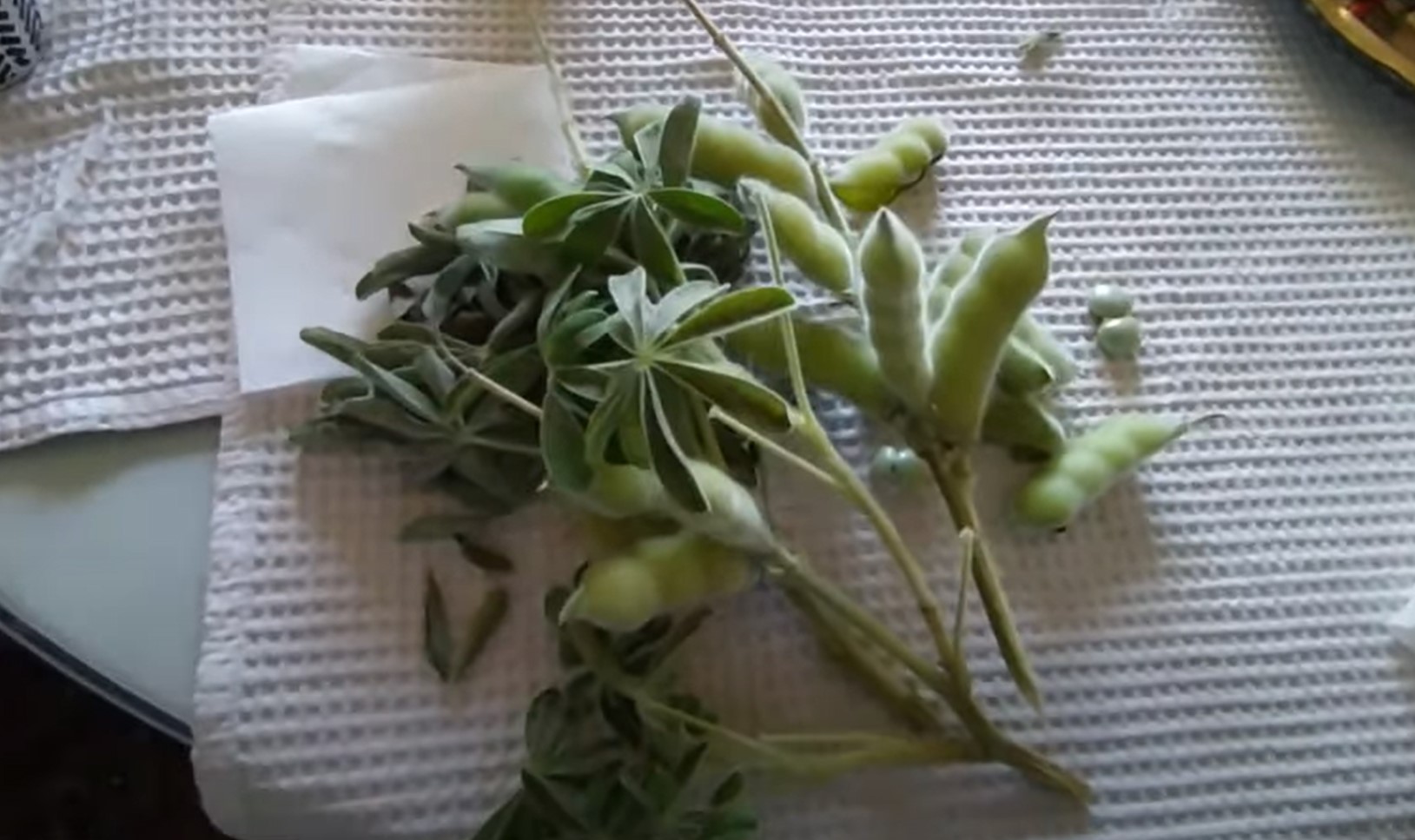
Round and flat, they look like beans and are highly nutritious. It’s time to get to know one of the lesser-known legumes that should definitely be a staple on your Lenten table.
From Mani, Crete, Mount Athos, and the Dodecanese, as well as North America and Asia, the lupine According to Lucian, it was an essential part of Hecate's feasts.
Fast forward to today, this dry seed belongs to the legume family, along with all common legumes that we traditionally eat, such as beans, chickpeas, lentils, and fava beans. Unfairly, however, it does not enjoy the same reputation as these, even though it is by no means lacking in nutritional value.
Lupin – A Nutritional Treasure
A rich source of plant protein and dietary fiber, lupine is abundant in minerals such as calcium, the phosphorus, ο iron, the potassium, zinc and folic acid as well as vitamins such as vitamin C, the thiamine and the riboflavin. In fact, it has the twice the protein content compared to other legumes, and, at the same time, just one cup contains dietary fiber that covers 1/5 of our daily needs.
Lupine is also considered a very good source of magnesium. Each cup provides 90 mg, which is about 22% of the recommended daily magnesium intake for both men and women. It is also a source of antioxidant carotenoids, such as lutein and zeaxanthin, and is also an excellent source of phytosterols with lipid-lowering properties.
Furthermore, it is one of the most suitable foods for people with diabetes, for those who have lactose intolerance, but also for those who want to lose weight, since they have low glycemic index, low-fat and are gluten-free. Their low glycemic index makes them ideal foods for regulating blood sugar and cholesterol, as well as the gut microbiome.
How to Eat Them
In our country, we mainly find white lupins, and we can eat them by biting a small spot on the husk with our teeth and squeezing the seed out from the opposite side, so that it is removed from the pod. Of course, many people prefer to eat them with the pod still on.
Lupins can be converted in flour and use it to make bread. As for the cooking, care must be taken when preparing them, as they need to be soaked and boiled thoroughly to remove their bitterness before they can be eaten. It is a time-consuming process that requires frequent water changes.
However, be sure not to skip these steps, as they contain alkaloids, which are toxic to humans and animals.
Finally, if you are allergic to certain foods, it is a good idea to consult a specialist before eating them.