By Christos Demetis
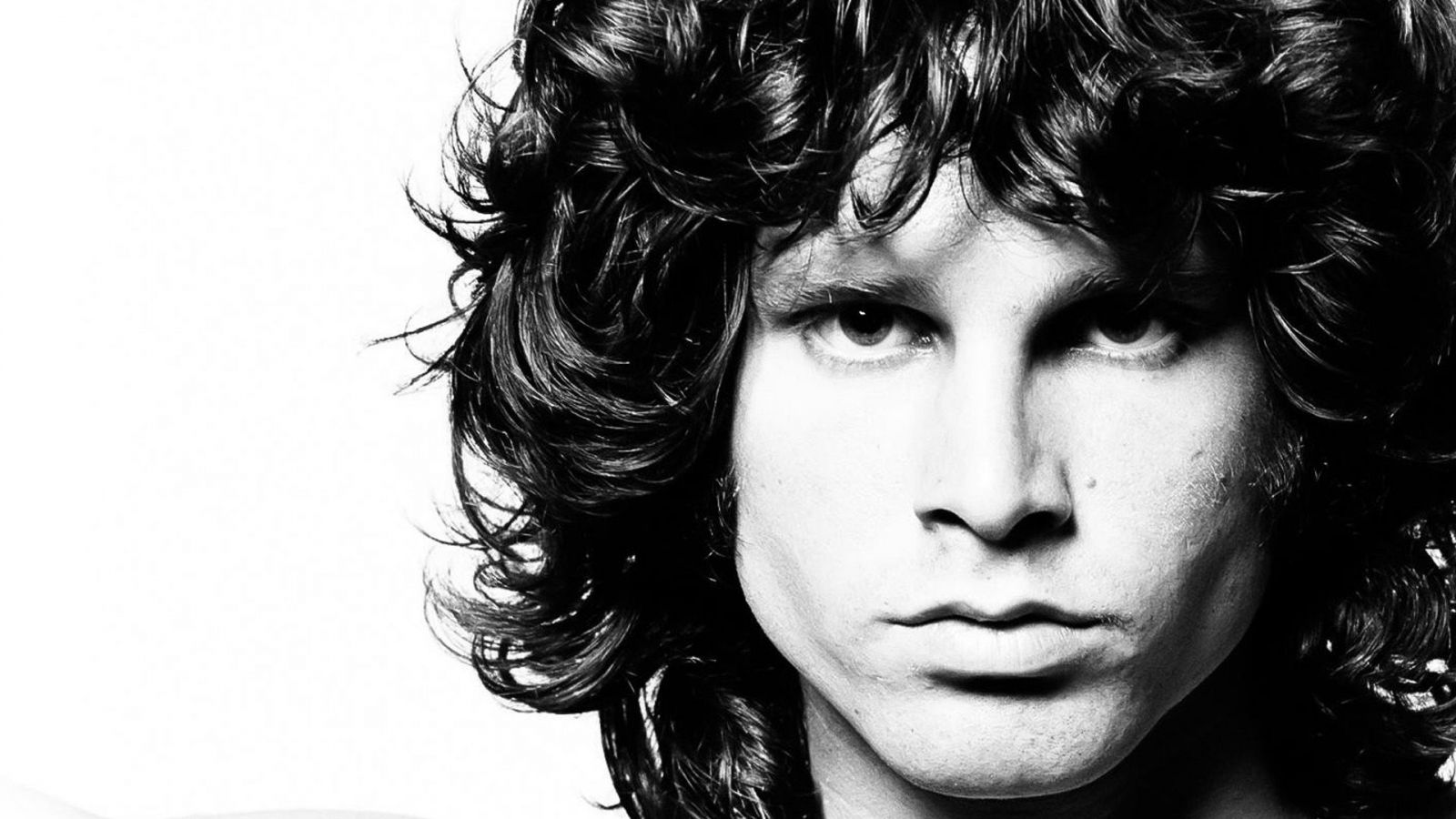
Psychedelia, blues, rock ‘n’ roll, folk, evocative lyrics, explosive stage presence. The Doors with “leader” Jim Morrison, one of the most expressive frontmen of all time, “left their mark” on the “60s and left their musical legacy for future generations. It all began with their self-titled album *The Doors*, released on January 4, 1967—the same day they played their first live show. “The Jimi Hendrix Experience”.
Amid the “peace and love” movement, Morrison presented his own allegorical lyrics, paying tribute to his loved ones, Dylan Thomas, Arthur Rimbaud, and Charles Baudelaire, and calling for a broader challenge and act of defiance.
The album was recorded in August 1966 at the Sunset Sound Recorders of Hollywood in a production by Paul A. Rothchild and was re-released on CD on July 18, 2000, by the EastWest with the original, uncensored performances of the “Break on Through” and “The End.”.
The historical tracks included on the album, “Light My Fire,” “The End,” “Whisky a Go Go,”, They emerged from the band's experimentation and “jam sessions” when they performed at the club “London Fog” of Los Angeles which did not attract a large number of customers.
It was these experiments that piqued his interest Jack Holtzman of Elektra Records, who, enthralled by the raw talent of these inexperienced twenty-somethings he saw before him, offered them their first contract. Recording for their debut album began on August 24, 1966, three days after they were fired from the club where they were performing because of the lyrics to the song “The End.”.
All the tracks were recorded in just one week, with Morrison managing to destroy the band's equipment after an overdose LSD. The album’s first single was “Break on Through,” which, however, was not warmly received by the public, as it never made it into the Top 100. So, “Light My Fire” followed, reaching the top of the U.S. charts and selling over a million copies. The song is the first one written by Robby Krieger, while its original length was over 7 minutes—that is, as it was played during live performances, without bass, with the organ accompanying Morrison’s voice as he appeared before his audience like a modern—for his time—damned poet. A true, psychedelic manifesto.
“Break on Through” is clearly influenced by "Shake Your Money-Maker" by the Paul Butterfield Blues Band and the sounds that shaped and defined the band's identity.
Along with the album, of course, stories also came to light… about censorship, since Electra decided from the outset—and “as a precaution”—to change the lyric “She Gets High” that appeared in the first recording of “Break On Through (To the Other Side),” with the original version appearing on the album’s 1999 reissue. Of course, Morrison would either change the lyrics during live performances or sing the original ones, which gradually contributed more and more to the Doors’ growing fame.
In fact, it was this behavior of his that had led to his arrest during the concert at the New Haven Arena in Connecticut on December 9, 1967, when the officers thought the performer was addressing them.
The “Moonlight Drive” arose from improvisations by the Morrisons and Ray Manzarek in 1965 in Venice Beach, when they were classmates at the film school UCLA. It was supposed to be included on “Doors,” but it ended up being released on “Strange Days.”.
The adapted play by Kurt Weill and Bertolt Brecht, “Alabama Song (Whisky Bar),”, It is an ode to decline, and musically it echoes the opening track of the “The Third Man,” starring Joseph Cotton and Orson Welles.
On the album version, Morrison changes the lyric “Show us the way to the next pretty boy” to “Show me the way to the next little girl,” however, during live performances, he used to sing both versions. On the recordings, Ray Manzarek plays both keyboards and bass.
However, the track that sparked the most reactions and analysis was “The End,” which closes out the album and also brought the band’s performances to a close. The lyrics refer to death and are based on Morrison's personal experiences, with direct references to his family and the the myth of Oedipus. In fact, in the biographical note that accompanied his first release, Morrison wrote that his parents had died, which of course was not true. Musically, The band was influenced by Indian music here.
In an interview, Morrison had stated that, indeed, the song drew on the myth of Oedipus. “Obviously, there’s a similarity, but every time I listen to it, it means something different to me. I really don’t know what I was trying to say. It started out as a farewell song for a girl, and now I realize that it’s A farewell to childhood. ”To tell you the truth, the song is whatever you want it to be.“ ”The End“ also appears on the soundtrack to Francis Ford Coppola’s *Apocalypse Now* (released in 1979, eight years after Morrison’s death), ”setting the tone“ for the opening scene.
The success of the first album led directly to the second, “Strange Days”, sometime in 1967, while in July 1968 they released the “Waiting For The Sun” which reached the top of the charts. “The Doors” ranked No. 42 on the Top 500 of the Rolling Stone for the best albums of all time.
We'll wrap up this article with what is—perhaps—his greatest live performance Lizard King and his wonderful group of friends. Because, as he himself recited, “Music is your only friend, until the end.”.