What was the Smyrna in the early 20th century? How did the Greeks live alongside other communities? Why was this cosmopolitan Mediterranean port so unique that even today it remains linked in our memory to the joy of life during the good years and the mourning for the Catastrophe that struck suddenly inSeptember 1922?;
Featuring previously unknown archival photographs and film footage discovered by the nonprofit organization PROTEAS & PROTEUS NY INC in the United States and Europe, the director Maria Iliou, the historical consultant Alexander Kitroeff and their collaborators vividly unfold the story of cosmopolitan Smyrna as well as the Smyrna of the Catastrophe in a film that premiered at the Benaki Museum in 2012.
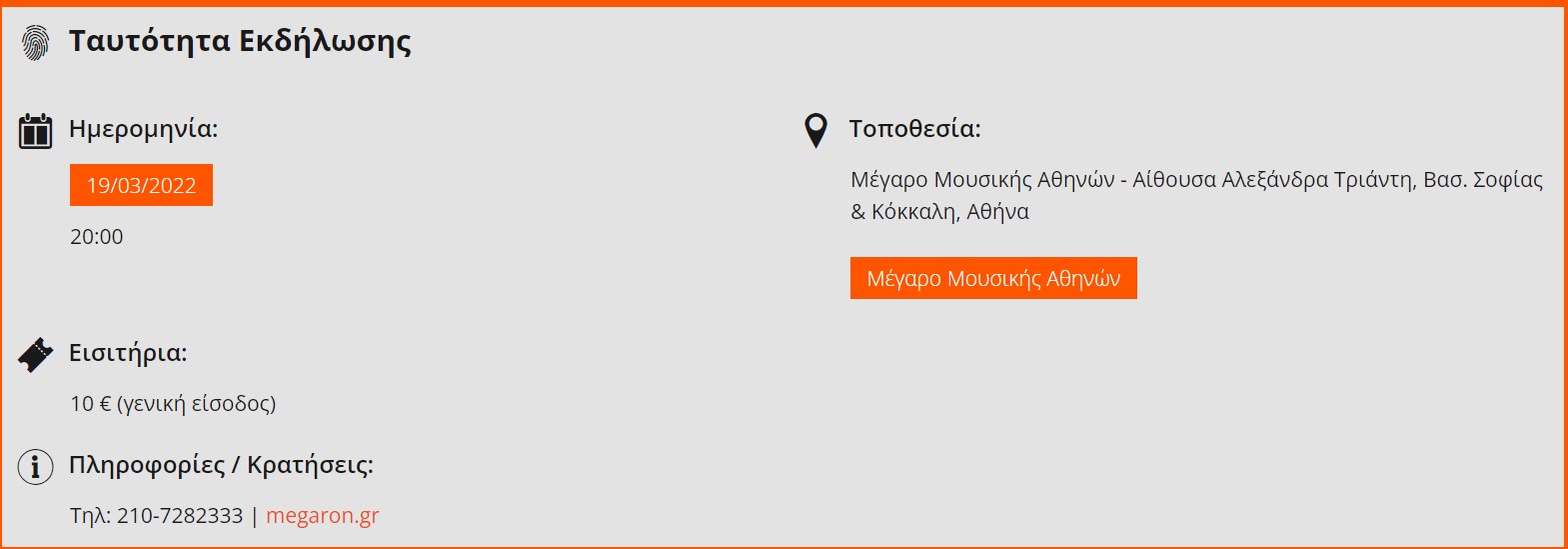
The documentary «Smyrna: The Destruction of a Cosmopolitan City, 1900–1922» by the award-winning Maria Iliou (in Greek and English) is being screened Saturday, March 19 at 8:00 p.m. at the Athens Concert Hall, marking the 100th anniversary of the Asia Minor Catastrophe.
The following individuals appear in the film as speakers: Giles Milton (author of the book *Lost Paradise* and the film’s main speaker), Alexander Kitroeff (Haverford College), Thanos Veremis (University of Athens), Victoria Solomonidou (Fellow of King’s College and a second-generation immigrant, originally from Smyrna), Eleni Bastea (University of New Mexico and a third-generation immigrant, originally from Smyrna), Leyla Neyzi (Sabanci University) and Jack Nalbantian (born in Smyrna).
After four years of collaboration and research in the United States and Europe, director Maria Iliou and historian Alexandros Kitroef bring back to the audience images long forgotten in «closed» archives, while presenting the Destruction of Smyrna from a different perspective that encompasses all the communities that made up the city’s life, as well as the dramatic events of 1922.
This historical documentary is of great significance not only because it presents the Greek audience with previously unseen footage from Smyrna, but also because, at the same time, the two filmmakers offer a fresh perspective on history. They distance themselves both from an excessively nationalistic narrative and from more recent attempts to gloss over the tragic events of the Catastrophe, thereby distorting the truth. One hundred years after the Catastrophe, the two collaborators wish to honor both the people who perished in 1922 and the discipline of history itself.
Historians from the United States and Europe discuss the broader historical narrative, while first-, second-, and third-generation Smyrniots recount their personal experiences. In fact, three of them recount family micro-stories related to the events—from the Greek, Armenian, and Turkish perspectives—spanning the era of cosmopolitanism through the years of the Catastrophe.
The documentary is illustrated with rare photographic and film footage compiled from archives in the United States and Europe. It features previously unseen images of Smyrna from the archives of the Library of Congress, Princeton University, Harvard University, Near East Relief, the Imperial War Museum, Pathé, the Albert Kahn Foundation, and private collections.
For the film's sound design, the editor Aliki Panagi used period sounds to bring the events to life, while the composer Nikos Platyrachos He drew on songs from Smyrna and popular hits of the time to compose the original score for the film.
Contributors
Screenplay – Direction: Maria Iliou
Historical Advisor: Alexander Kitroeff
Music: Nikos Platyrachos
Editing: Aliki Panagi
Photo address: Allen Moore
Audio: John Zecca
Mix: George Mikrogiannakis
Production: PROTEAS & PROTEUS NY INC
Duration: 90 minutes (no intermission)
*All required health and safety measures will be observed at the event.