Η outbreak of serious infections in the UK, linked to Group A streptococcus and which have caused 9 child deaths in recent weeks, has put alert and the EODY for the possible detection of similar cases in Greece.
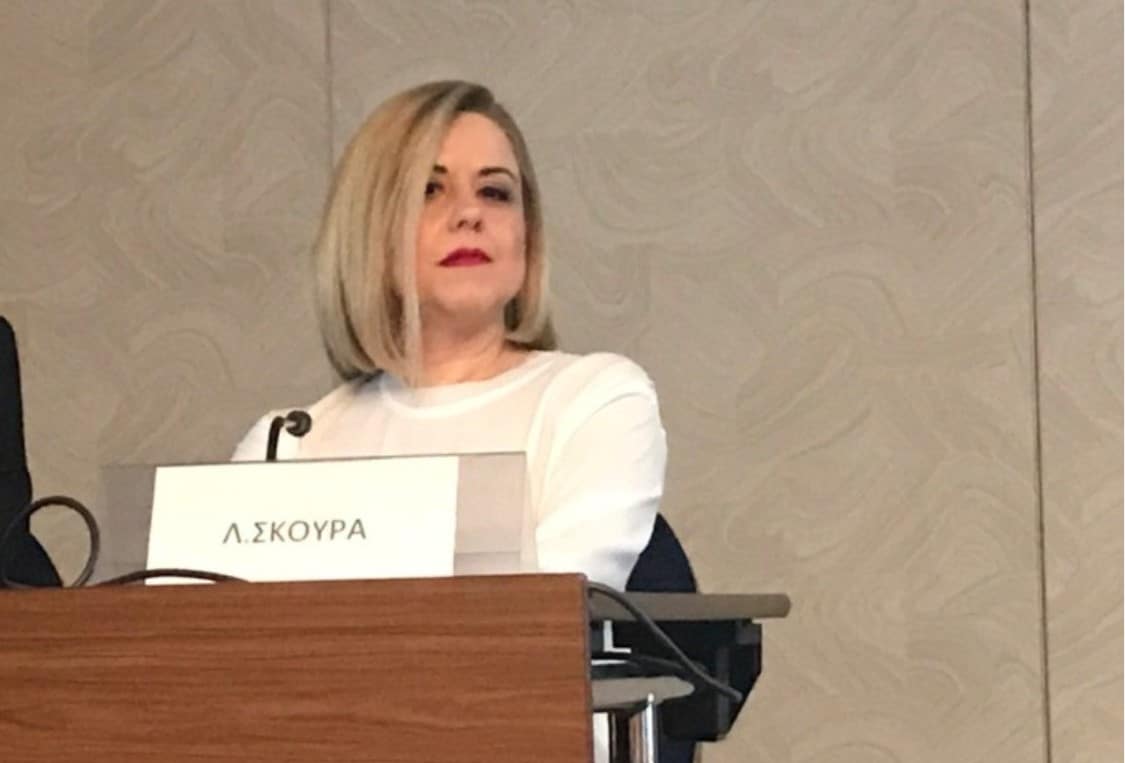
Professor of Biopathology - Microbiology at the Department of Medicine of the Aristotle University of Thessaloniki and Director of the Microbiology Laboratory of the University Hospital AHEPA of Thessaloniki, Lemonia Skoura (photo), speaks to iatronet.en about the properties of the bacterium, which usually causes mild infections in children and adults. Rarely, some strains can penetrate the bloodstream and cause the toxic cataplexy syndrome, leading to life-threatening situations. She points out that there is no need to panic, and gives practical advice on both prevention and “reading” the symptoms that should ring a bell, leading to the doctor.
Pharyngomyelitis
«Streptococcus is a common bacterium that colonises the skin and oropharynx in some people and often causes pharyngomycosis. In 15% - 30% of children who have pharyngomyelitis, the reason is streptococcus, and it can also cause it in adults,» she says and adds: «It also causes something we don't often see, the scarlet fever: you have tonsillitis again and a rash on the skin, while the tongue has the texture of a strawberry. It can also cause skin infections such as infectious wax or erysipelas.».
Some strains, such as those that appear to be circulating in the UK more than in the past, can cause more serious conditions such as toxic cataplexy syndrome. «Are these strains of the so-called invasive streptococcus, which seem to escape, enter the bloodstream and produce a toxin. Because of this toxin they can cause this syndrome: the person is shocked, may experience hypotension, tachycardia and tachycardia. And because there can be dispersion in many organs, we can have multi-organ failure and end up with multiorgan failure,» he points out. As he clarifies, it's not a common thing.
«There is no need to panic. According to Colin Brown's (UKHSA) statement, this is not a new strain, but known strains that can produce this toxin and are under investigation,» the professor notes.
She believes that it is too early to give an accurate interpretation of the increased circulation of these strains in the community. «Usually, it's multifactorial conditions that are conducive to this. May be associated with increased confusion, leading to increased dispersion, compared to past years when there were restrictions on traffic.».
In Greece
From her experience so far in the Microbiology Laboratory of AHEPA, Ms Skoura has not detected such strains of streptococcus. For the general picture nationwide, she refers to the EODY, where possible cases will be reported by the local laboratories through the form for compulsorily reportable diseases.
«We have pharyngomycosis, as in the past, but these cases do not go to the hospital. They are mild conditions that are treated by the family doctor, the paediatrician or they don't even go to the doctor if they are very mild,» he says, adding that respiratory infections are generally increased, especially at this time of year from the respiratory syncytial virus.
What will ring a bell
The symptoms of pharyngomyelitis are sore throat, fever, chills, myalgia and shortness of breath and are usually lighter than those that cause other infections. What will ring the bell and lead to the doctor is the non-remission of symptoms.
«When we don't see any improvement, when we have anorexia in the child or signs of dehydration or high fever, irritability and severe malaise, all these are reasons for the parent to contact the paediatrician and the clinician immediately,» the professor stresses. She points out that it is very critical that there is no gateway for the bacterium to enter, such as an open wound, while recalling the importance of observing hygiene and personal protection measures. «It is very important for parents to teach their child to wash their hands properly for at least 20 seconds, which is the duration of the ‘Happy birthday’. We cough or sneeze by putting an elbow, or a tissue that we throw away after. When we feel unwell we isolate ourselves. Very obvious, but unfortunately after two years of a pandemic, we still see how people wear the mask under their nose when they wear it,» he comments.
Biopathologist: a barren specialty
The professor calls for incentives for young doctors to follow the specialty of biopathology - laboratory medicine, which is currently not attractive. «I have several more years in the active role, I do not want to close this path in a dead specialty. Because a specialty that has no residents, no young people, is a dead specialty. Today, we are a barren specialty, but not dead,» he notes.
It cites regulations such as the clawback on private laboratories that remain, the deprivation of the ability to prescribe antibiotics to laboratory doctors as inhibiting factors.
«Along with the other parts of our specialty, which are laboratory haematology, laboratory immunology and biochemistry, we are in the laboratories every day, both public and private, to give that supporting role, the stamp of approval for the type of microbe, the possibility of testing for blood malignancies or laboratory testing for diseases and autoimmunity,» he concludes.
Vassilis Ignatiadis