The article is authored by Konstantinos Tsovolas, PhD, a cardiologist with the Affidea Group who specializes in hereditary cardiomyopathies at HEART Hospital at UCL in the United Kingdom.
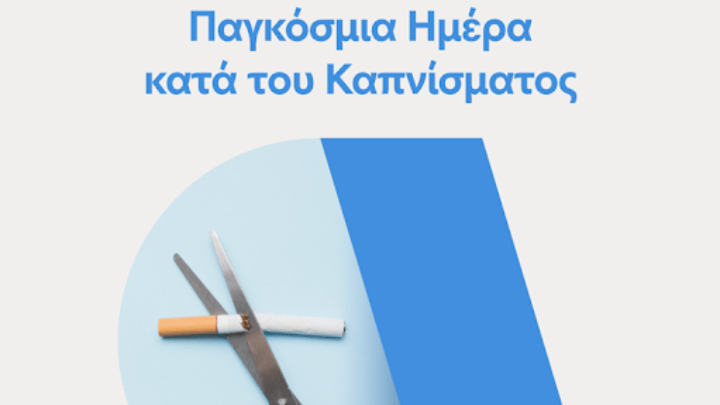
On May 31 of each year, we celebrate the World No Tobacco Day (World No Tobacco Day), an initiative of the World Health Organization established in 1987 to raise global awareness of the dangers of smoking and the preventable diseases it causes.
This day is a good opportunity to raise public awareness about the dangers of smoking and the efforts of the WHO and governments to combat the tobacco epidemic. It is also an opportunity for people to assert their right to a healthier lifestyle and to protect future generations.
The British Heart Foundation found that 19% of deaths from heart disease are related to smoking. The ban on smoking in public places has helped many people quit.
Smoking “deprives” the blood of oxygen, “stimulates” the heart, and makes certain blood components more likely to form clots. This leads to high blood pressure and heart disease, lung disease, stroke, and/or premature death.
Cigarette smoke produces carbon monoxide, a toxic gas that reduces the blood’s ability to carry oxygen throughout the body, putting a strain on the heart and making it harder to breathe.
Secondhand smoke—the inhalation of smoke from others who smoke—also affects both adults and children, increasing the risk of heart and lung disease, stroke, and/or premature death.
The chemicals in tobacco smoke are carried from the lungs to vital organs such as the eyes, mouth, nose, the throat, the skin, the stomach, the brain, the teeth, and the nervous system. As a result, the risk of heart attack, cancer, stroke, dental problems, and peptic ulcers increases.
If you are a smoker and you quit, you should know that the benefits include the following:
Within about 2 hours of quitting, there is no longer any nicotine in your blood. However, it may take up to two days for nicotine byproducts to leave your body.
Within 8 hours, blood oxygen levels return to normal and the heart rate slows down. Blood pressure decreases slightly, but it may take 3–30 days to return to normal levels.
Within 12–24 hours, carbon monoxide is eliminated from the body. Lung function begins to improve. You’ll have less trouble breathing during exercise, and your endurance will improve.
Quitting smoking is no easy task. Nicotine is addictive and is classified as an «addictive substance,» just like alcohol and drugs. You can seek help from your doctor or from the specialized staff at Smoking Cessation Clinics operating in public or private facilities, such as the Affidea diagnostic centers in Peristeri and Kifissia. At these clinics, specialized doctors are dedicated to helping people who want to quit smoking, with impressive success rates. The smoker’s desire to quit is necessary, but most of the time it is not enough. People who sought advice and assistance were more likely to succeed in quitting.