From the Antigone Panda-Harva and the Popaganda
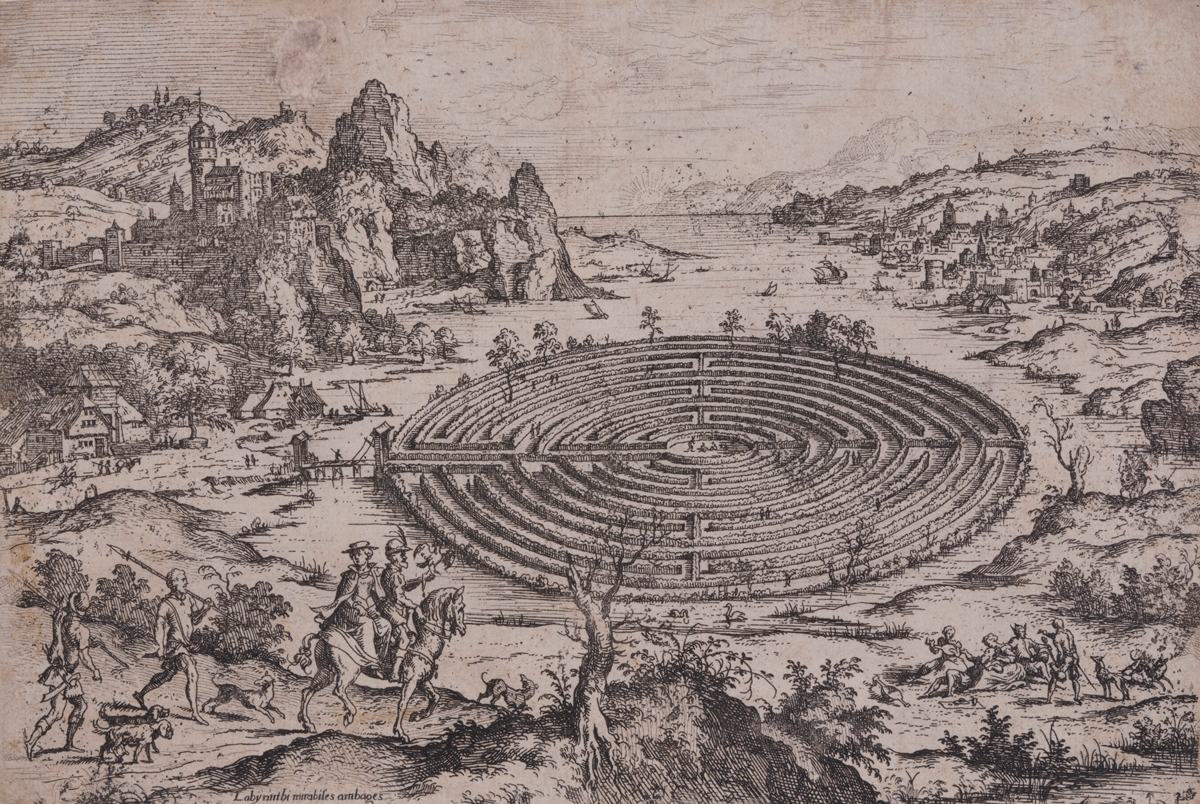
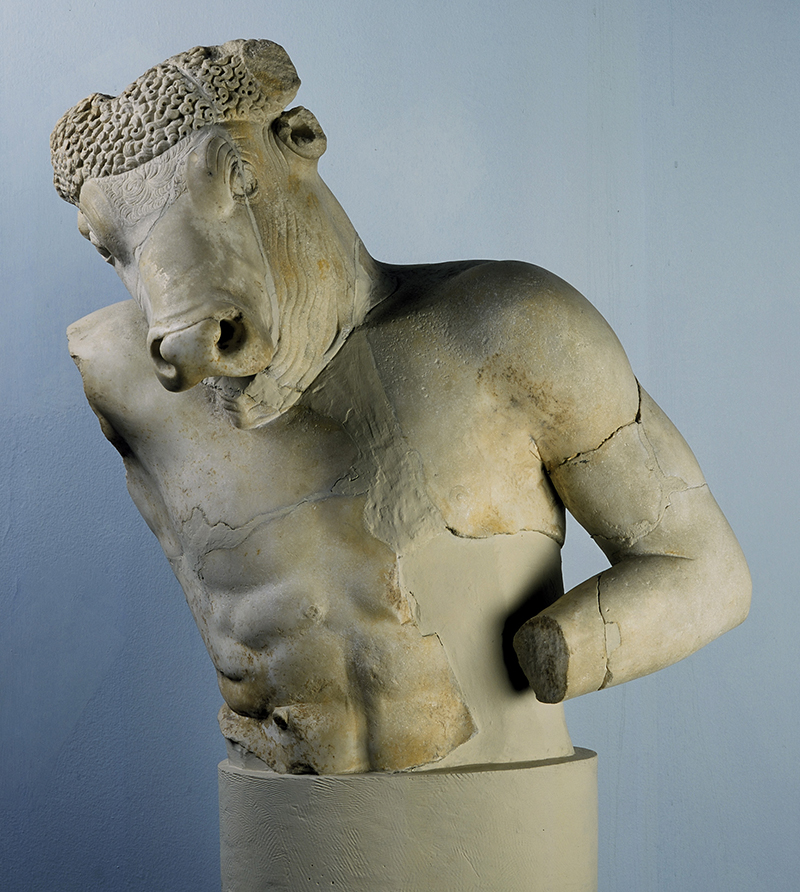
What is the myth and what is the reality? Answers to this question are what the temporary exhibition “Labyrinth: Knossos, Myth & Reality” that opens at the museum Ashmolean in Oxford on 10 February and is the largest ever since it includes treasures from three different museums.
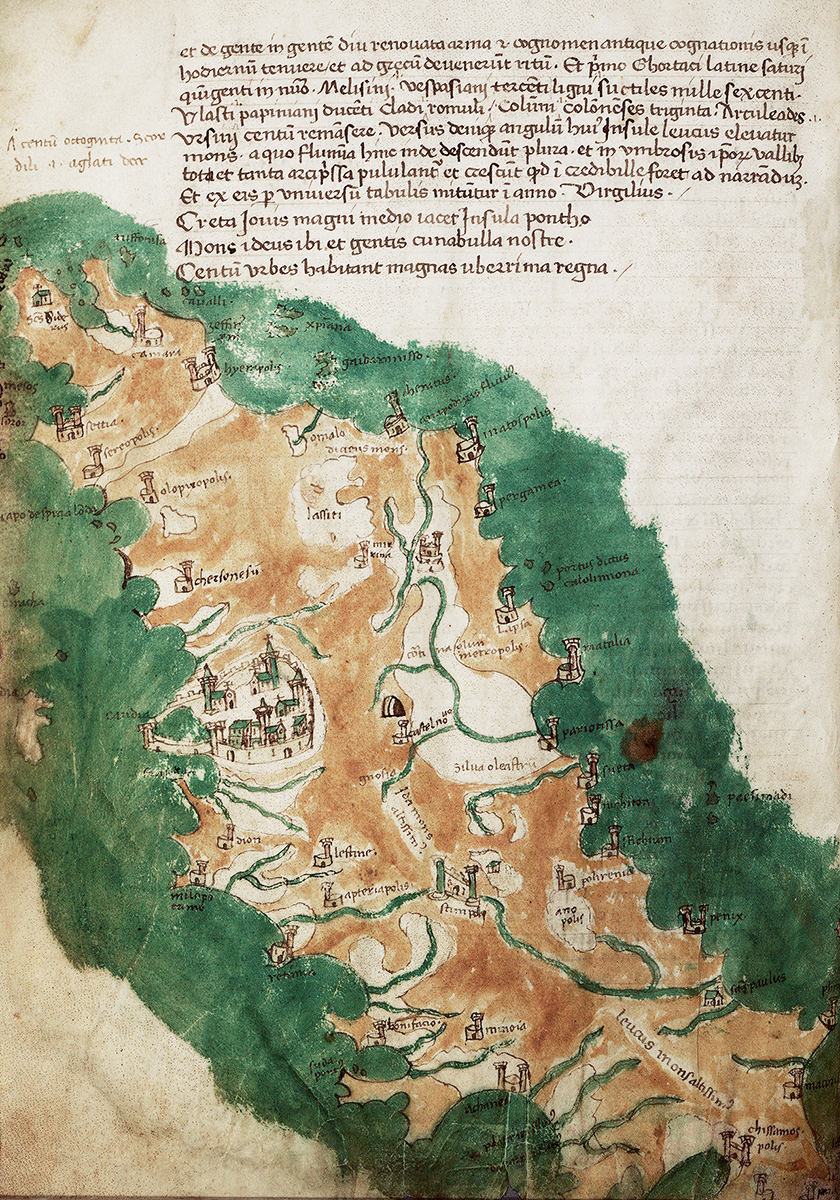
With more than 200 precious objects (of which 100 have been borrowed from the Archaeological Museum of Heraklion and the National Archaeological Museum), photographs and documents, the exhibition will unravel the Myth of the Minotaur and the Labyrinth and reveal the whole truth about how the palace of Knossos was discovered, covering the period of the discoveries from 1900 to 1905.
Apart from the 100 treasures that travel for the first time outside Greece, the rest of the findings belong to the Ashmolean, from the archive of archaeologist Sir Arthur Evans, the man who for years had reaped the great discovery alone. Some drawings show how the site and its finds were reconstructed, and reveal how Evans carried out the concrete restorations to the palace in the mid-20th century.
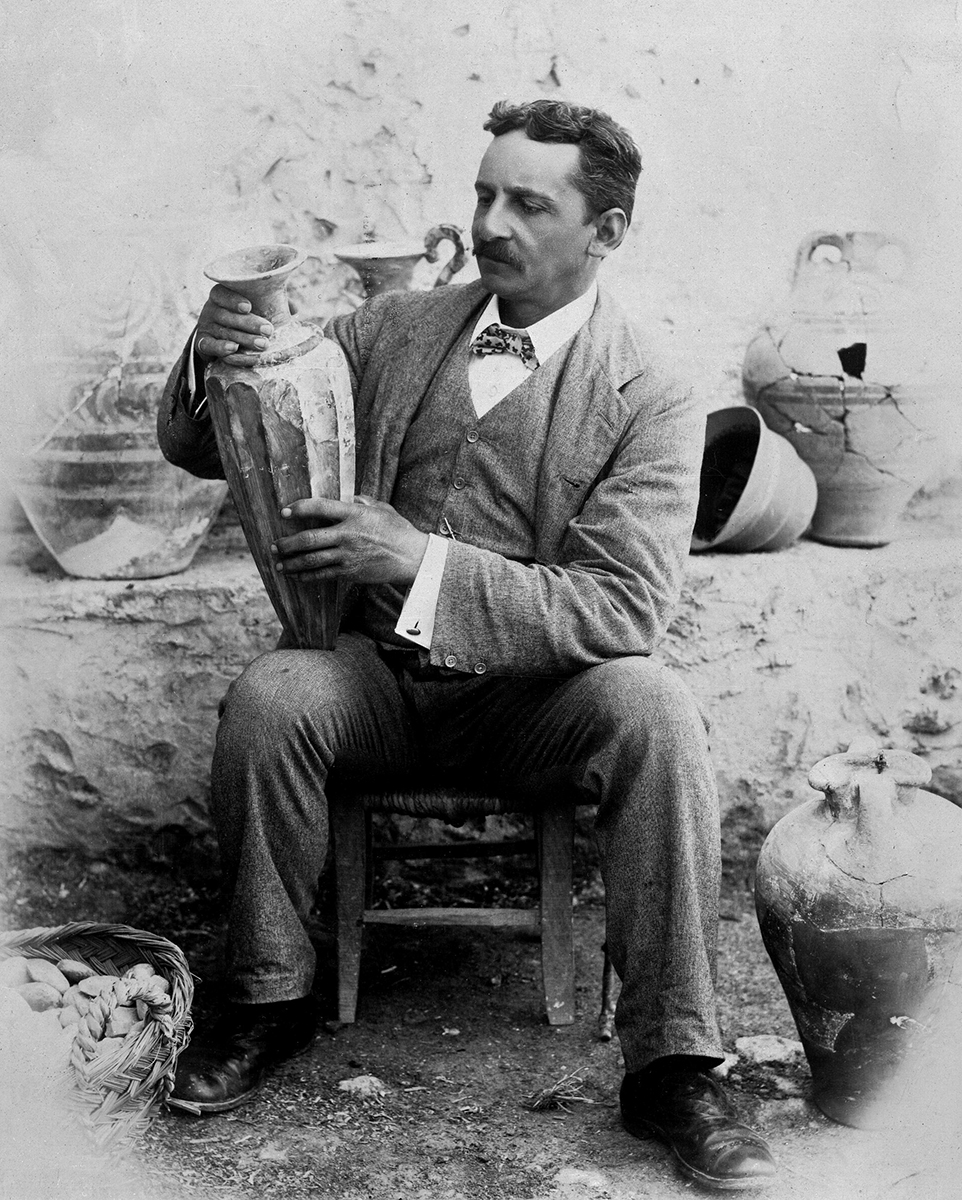
It was the famous English archaeologist who claimed to have discovered the lost palace of Knossos in Crete, spreading the story of the Labyrinth. But the reality is completely different and with this report the Ashmolean wishes to restore the truth once and for all.
By acknowledging the positive role played by Evans, he is effectively, albeit belatedly, giving full credit to Minos Summer, the Cretan businessman and scholar who originally discovered the famous ruins.
The travellers searched in vain for the Labyrinth - the underground labyrinth which, according to legend, housed the Minotaur, a mythical monster with a human body, head and tail of a bull, which waited in it for its victims - until 1878, when Kalokairinos, convinced after his studies of the area, bought and excavated the hill of Chelepi Kefalas, revealing a large part of the palace.
Speaking in the Guardian, Andrew Shapland, curator of the Sir Arthur Evans archive at the Ashmolean Museum in Oxford, points out: «We want to set the record straight. Evans may have broken with Summer, but his story is unlike Elgin's. Elgin has been demonised in Greece for moving the marbles to the British Museum, while Sir Arthur is still revered because of the way he popularised Minoan civilisation. So our exhibition is a happy collaboration with Crete, which has lent us key finds.».
Who was Minos Kalokairinos
He was born in 1843 in Heraklion, Crete, where his mother, Margiora Krasaki, was from. His father, Andreas Kalokairinos, originally from Kythera, was very wealthy but he passed away in 1864 when Minos was studying at the Athens Law School, so he was forced to interrupt his studies. Together with his brother Lysimachos, they divided his father's estate in two and Minos became involved in soap making and winemaking. In 1869 he married Skeyo Kriezi and together they had four children.
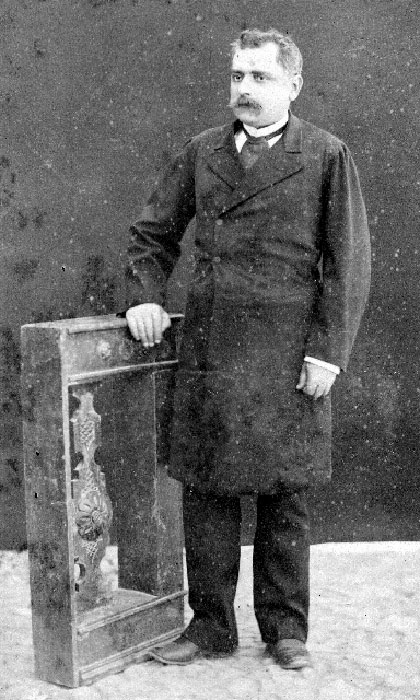
He was a founding member of the Heraklion Philekpaeditektiko Association, served as interpreter of the English sub-consulate in the city and for a long time was vice-consul of Spain.
Towards the end of the 19th century the company went bankrupt and his brother was murdered by beheading during the dramatic events that took place in Heraklion on 25 August 1898. But he did not give up. He submitted his doctoral thesis to the Athens Law School and practiced law in Heraklion. He died in 1907, having made one of the most important discoveries in history.
He loved archaeology and was convinced that Knossos existed, so he set out to discover it. In 1878, after many studies in texts and writings, he excavated the Tselepi Kefalas hill in the area of Knossos, after first buying the area from the owner of Zekyris Bey, Ibrahim Efedakis, who retained the right to 1/3 of the finds according to Turkish archaeological law. The excavations were carried out with 20 workers over a period of three weeks.
In these excavations, the Summer discovered a large part of the south wing, almost the entire inner perimeter of the central courtyard, at least four rooms of the west wing and other buildings, such as an amphitheatrical circular building north of the palace and 6 of the 21 storerooms. It reached as far as the antechamber of the throne room (which was one of Arthur Evans' first major finds in 1900). His initial estimate was that he had discovered the entire palace.
Because the island was under the partial control of the Ottoman Empire, the excavations were interrupted by the general governor of Crete, who, when he visited the site and saw the findings, feared that they would fall into the hands of the Turks. The most famous finds of Kalokairinos are the decorated jars from the western storerooms.
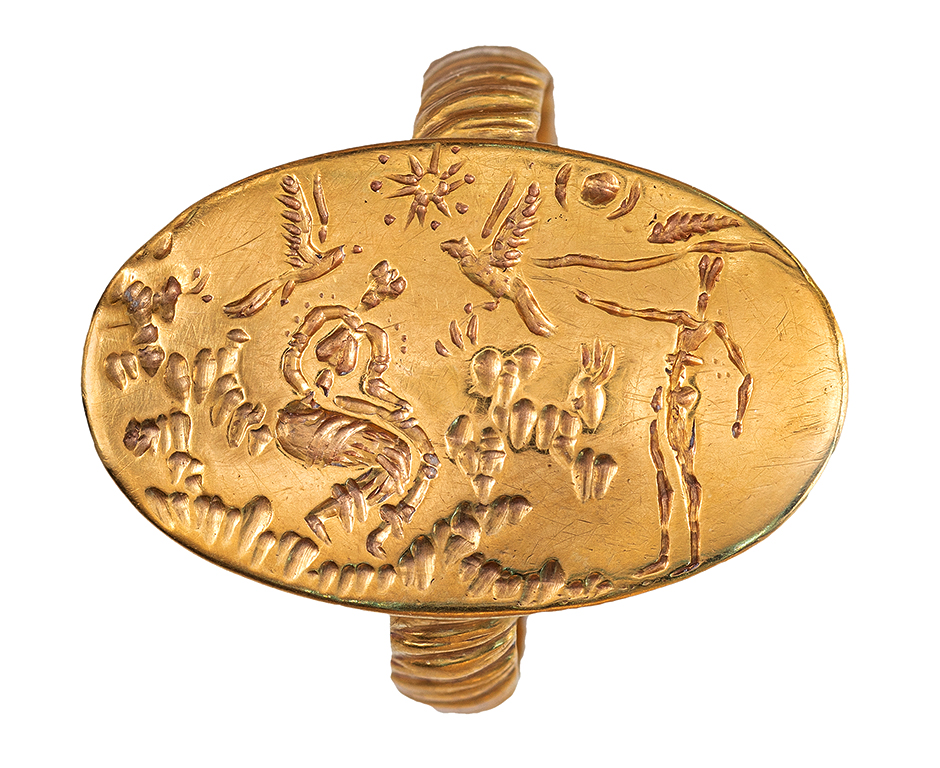

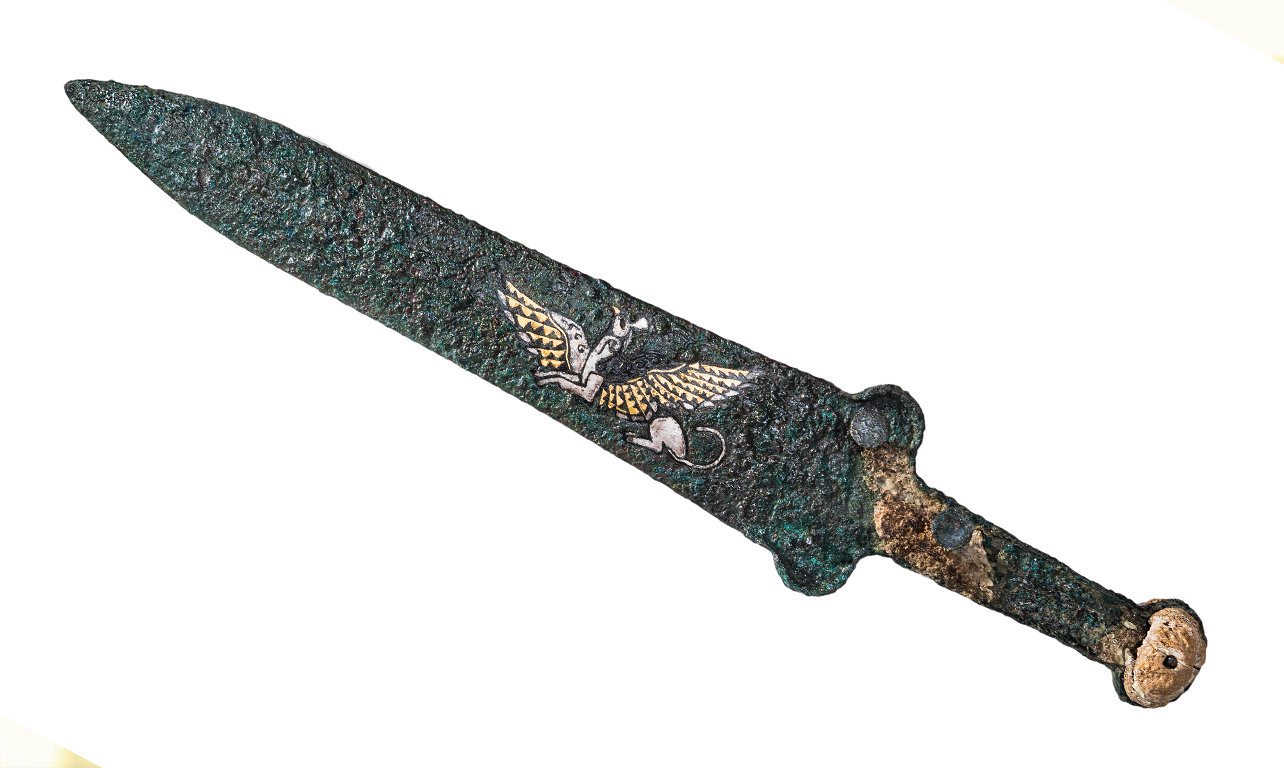
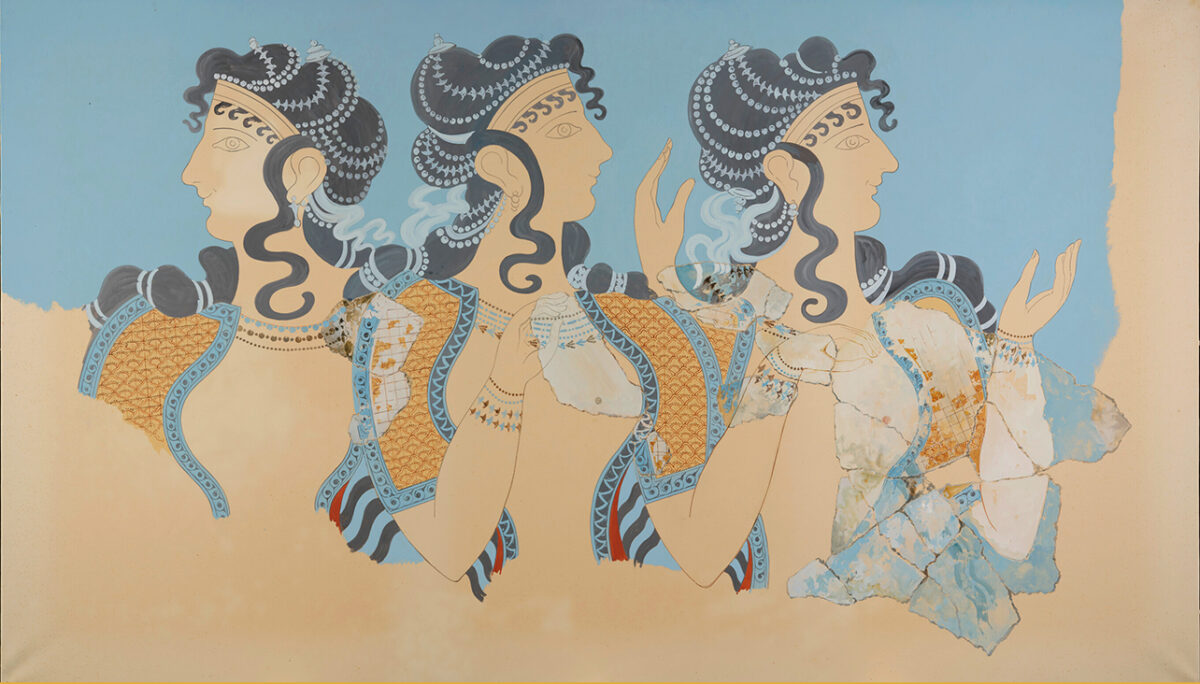
In 1900 Evans, as archaeologist and director of the Ashmolean, managed to gain the permission of the Cretan authorities to carry out excavations that lasted until 1931, bringing to light the splendour of Knossos. Evans was convinced he had discovered the real Labyrinth and found evidence in colourful frescoes, clay writing tablets and an intact room with a stone throne. He named the labyrinthine building «Minos» Palace« and proved it was about 4,000 years old. He also coined the term »Minoan" to describe the early Cretan civilization.
Andrew Shapland reports: «Whether Knossos is really the site of the mythical Labyrinth remains an open question. There was certainly some kind of labyrinth in what he called the palace, but there was no sign that people had left offerings there at the time. There are, however, tantalizing clues to the Minotaur connection through frescoes of people jumping over bulls.».
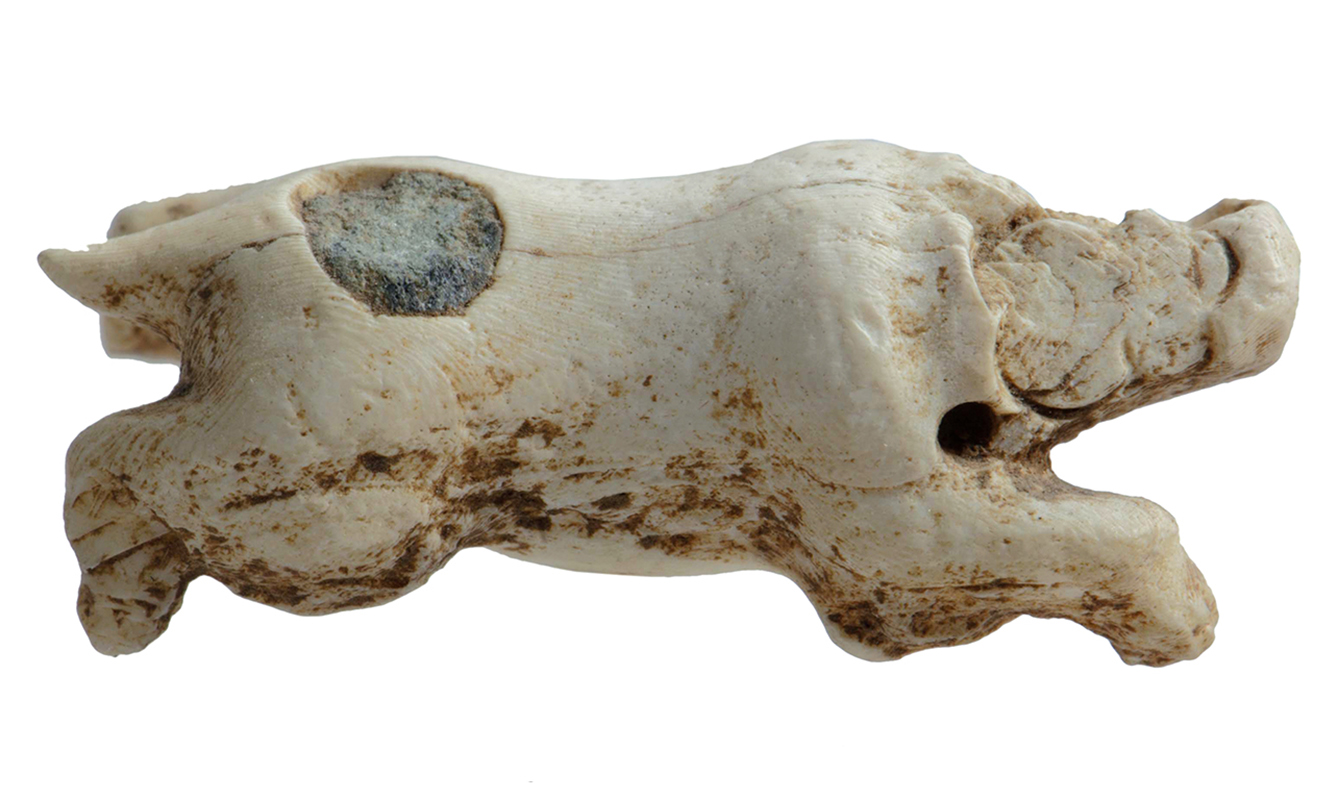
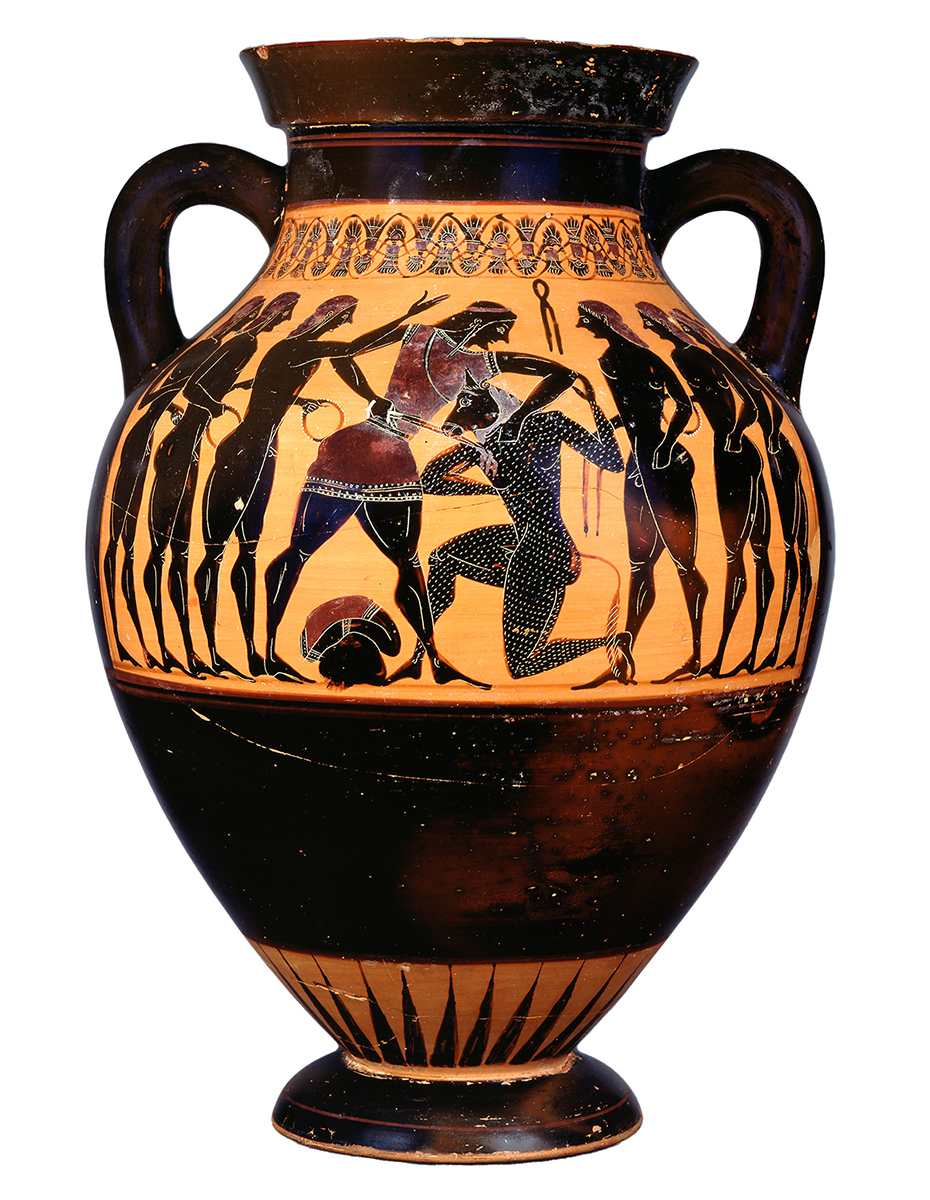

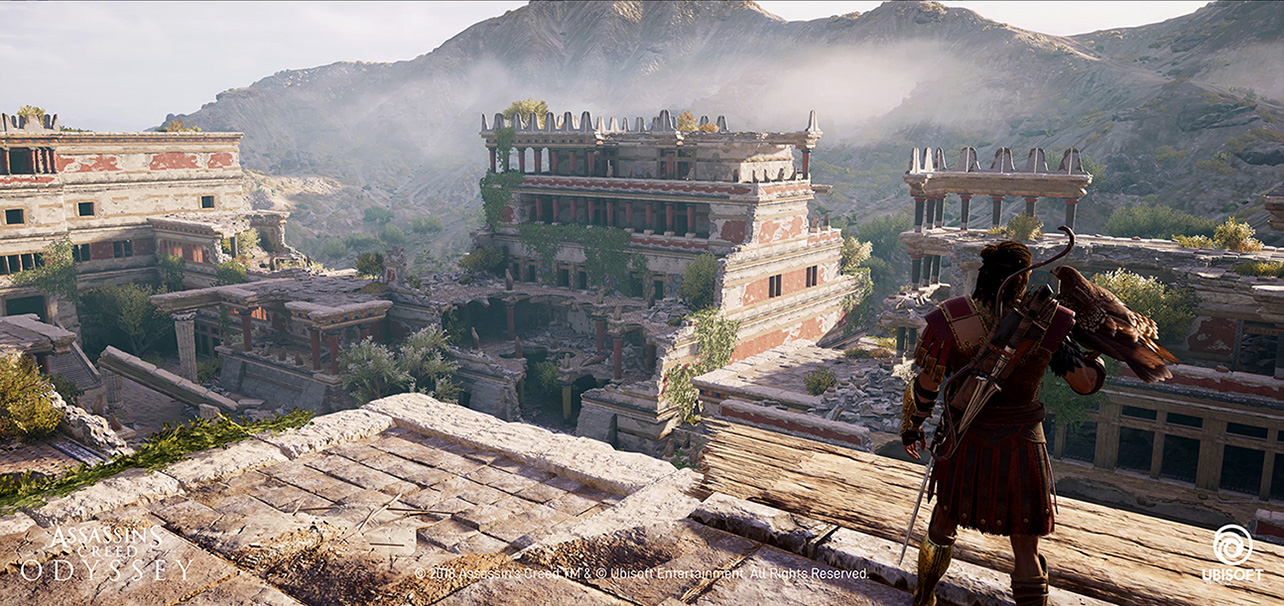
Knossos is now the second most popular Greek tourist attraction, after the Acropolis of Athens. The importance of the Minoan Civilization is revealed in the exhibition and through another exclusive experience. A room is dedicated to the recreation of the virtual reality of the videogame “Assassin's Creed Odyssey”, which essentially brought the history of ancient Greek civilization to younger generations using images inspired by Evans' vision of Knossos. This experience reveals all the research that went into the game through a virtual tour of the palace of Knossos. The re-enactment is set chronologically in the 5th century BC, during the Peloponnesian War.
More about the exhibition “Labyrinth: Knossos, Myth & Reality”, HERE.
Duration: 10 February - 30 July 2023.