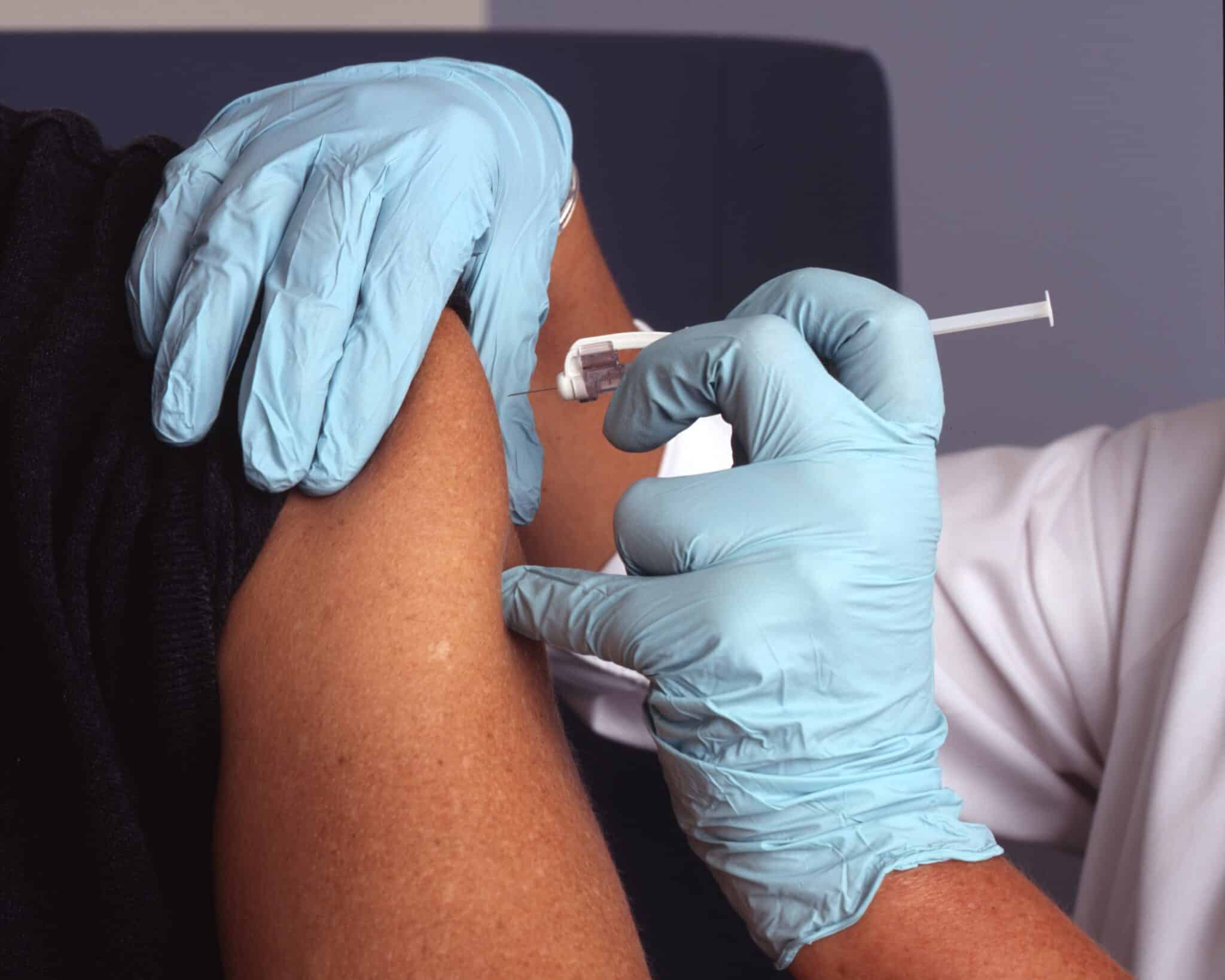
Today, Friday, March 19, the appointment scheduling platform opens for COVID-19 vaccination, of people with underlying conditions very high-risk—Group A. The platform will then open for people aged 70–74 on March 26, and in early April, the platform will open so that people in the next age group, 65–69 years old, can schedule appointments.
As a reminder, citizens aged 60 through 64, citizens over the age of 75, and healthcare workers are currently being vaccinated.
There are approximately 250,000 citizens in Group A, and they were classified in this category by the IDC, in collaboration with the National Vaccination Committee, which established the criteria—namely, diagnosis based on ICD-10 coding, medication, as well as the date of diagnosis of the disease.
Prioritizing patients with chronic conditions high-risk.
Solid organ or hematopoietic cell transplantation; individuals on the waiting list for organ transplant.
The second group is the kidney failure, undergoing hemodialysis or peritoneal dialysis.
A third group consists of people who develop the disease cystic fibrosis.
A fourth category is cancer under treatment. Solid-organ cancer in individuals undergoing treatment, chemotherapy, radiation therapy, immunotherapy, or other treatment. Hematologic cancer within the last five years.
There are also certain time-related criteria for cancers. Specifically, individuals undergoing treatment for cancer as of January 1, 2019; for hematologic cancers, this includes individuals diagnosed with hematologic cancer as of January 1, 2016.
Serious consequences follow chronic respiratory diseases. Chronic respiratory disease for which home oxygen therapy is used, based on certification from the health insurance provider, chronic obstructive pulmonary disease with an FEV1 less than 30%, as determined by a treatment protocol. Additionally, the interstitial lung disease.
The following is the severe heart disease. It includes people who have been diagnosed with acute myocardial infarction, As of December 1, 2020, heart failure with an ejection fraction less than 40%, treated via a therapeutic protocol, including cardiomyopathies, congenital heart diseases, valvular disease, and pulmonary hypertension. Severe liver disease, such as liver failure with portal hypertension, liver cirrhosis with portal hypertension.
People in immunosuppression. This category includes autoinflammatory and autoimmune conditions, as well as other diseases requiring immunosuppressive or immunomodulatory therapy that carry moderate or high risk. Primary immunodeficiencies, as well as individuals with HIV who have a CD4 count below 200. Here, identification is primarily based on the disease code, but also on the ATC code of the medications. This is a broad category that includes diseases affecting nearly all systems: the digestive, musculoskeletal, and skin systems.
Other diseases include Down syndrome, as well as other special circumstances upon request by the attending physician.
It should be noted that in cases where the diagnosis is very recent, the doctor, as soon as he or she enters the information into the system, electronic prescribing, IDIKA will retrieve this information on a weekly basis so that eligible individuals can get vaccinated.
In cases where a person suffers from specific conditions that fall under Group A but are not covered by the electronic prescription system, for example, if the diagnosis and treatment took place abroad, then the treating physician, by submitting an application on emvolio.gov.gr for that specific patient with the diagnosis and medication details, can make the patient eligible for coverage.
In addition, for highly specialized and rare conditions that were not included in the Commission’s decision, the treating physician will be able to submit an application specifying the disease code and the medication, which will then be reviewed by the National Vaccination Committee. The application process will open ten days after the platform launches toward the end of the month.