The Hague / Brussels / Luxembourg, April 8, 2021
Europa Nostra—the European voice of civil society dedicated to cultural and natural heritage—and its partner, the European Investment Bank Institute, today announced the 2021 List of 7 Endangered Monuments and Cultural Heritage Sites in Europe:
- Five Islands in the South Aegean, GREECE
- Achensee Steam Cog Railway, Tyrol, AUSTRIA
- Mirogoj Cemetery, Zagreb, Croatia
- The Giusti Garden, Verona, ITALY
- Dečani Monastery, KOSOVO 1*
- Central Post Office, Skopje, NORTHERN MACEDONIA
- San Juan de Socueva Chapel and Hermitage, Cantabria, SPAIN
The announcement of the 7 Monuments in Danger – Sites for 2021 took place during an online event co-organized by high-ranking representatives of Europa Nostra and the European Investment Bank Institute, with the participation of Mariya Gabriel, European Union Commissioner for Innovation, Research, Culture, Education, and Youth. Representatives of the organizations that nominated the candidates, as well as representatives of the seven selected monuments and sites, contributed with presentations andspeeches to the webinar, which attracted participants from across Europe and beyond. Speaking at the online event, Guy Clausse, Executive Vice President of Europa Nostra, emphasized: «The goal of the 2021 List of 7 Sites in Danger is to sound the alarm about the serious threats these sites face. From a magnificent medieval monastery to a stunning Renaissance garden, from industrial and modern structures to iconic cultural landscapes: these sites are vital testimonies to our shared past, our memory, and our identity. At a time when our continent is experiencing an unprecedented crisis, Europa Nostra wishes to express its solidarity and support local communities across Europe that are determined to save these endangered cultural heritage treasures. Through our extensive pan-European network of members and partners, we will mobilize experts from various fields and resources to help save these heritage sites, which should be recognized as powerful drivers of sustainable development, as well as vital tools for peace and dialogue among different communities. Together, we can do it!
Francisco de Paula Coelho, Rector of the European Investment Bank Institute, stated: «Once again, the EIB Institute stands side by side with Europa Nostra, our long-standing partner in the protection of Europe’s cultural heritage sites. Europeans take pride in their cultural heritage. It unites them. For the EU Bank, it is only natural that we help strengthen this bond through our support and commitment to the now annual »7 Most Endangered” program.”.
In response to the announcement of the 7 Places at Risk for 2021, Mariya Gabriel, European Commissioner for Innovation, Research, Culture, Education, and Youth, stated: «Europe’s cultural heritage is our past, our present, and our future. It is part of our identity and brings people from across the continent together around shared values and experiences. It is invaluable and deserves our utmost attention and protection. Through the »7 Under Threat’ program, we are shining a spotlight on European heritage that is at risk, raising awareness and paving the way for a sustainable future for the selected sites.”
The 7 Sites in Danger for 2021 were selected by the Europa Nostra Council from a shortlist of 12 sites chosen by a panel of international experts. The selection was based on the exceptional significance and cultural value of each site, as well as the serious risk they face. The level of engagement by local communities and the commitment of public and private entities to saving these sites were considered critical added values. Another selection criterion was the potential of these sites to serve as a catalyst for sustainable socioeconomic development, as well as a tool for promoting peace and dialogue both locally and at the supralocal level in the wider regions.
The seven selected “Endangered Heritage Sites” are eligible for the EIB Heritage Grant, which amounts to up to 10,000 euros per site. The EIB grant may be allocated to the seven selected “Endangered” heritage sites to help implement agreed-upon activities that will contribute to the protection of the endangered site.
Expert panels representing Europa Nostra and the European Investment Bank Institute, together with the organizations that nominated the sites and other partners, will evaluate each case by gathering information and meeting with key stakeholders. These interdisciplinary teams will provide expert advice, identify potential funding sources, and help mobilize broad support to save these heritage sites. At the end of the assessment process, they will formulate and communicate a set of recommendations and actions for future action.
The «7 Under Threat» program is managed by Europa Nostra in collaboration with the European Investment Bank Institute. It is also supported by the European Union’s “Creative Europe” program. Since 2013, this program has been part of a civil society campaign to save Europe’s endangered heritage. It raises awareness, commissions independent assessments, and proposes recommendations and courses of action. It also provides a symbolic grant of €10,000 per selected site. The designation of a site as endangered often serves as a catalyst and incentive to mobilize the necessary public or private support, including funding.
Five Islands in the Southern Aegean
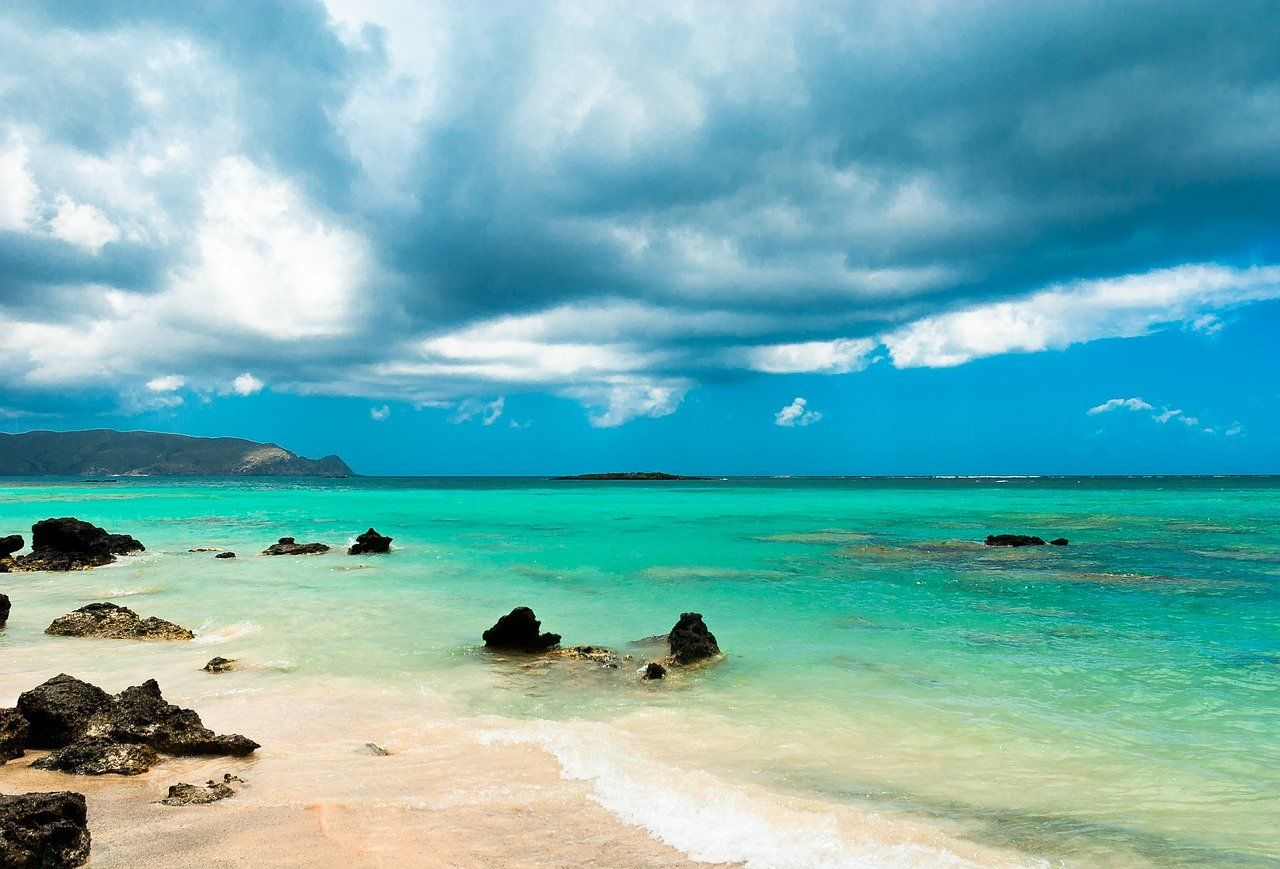
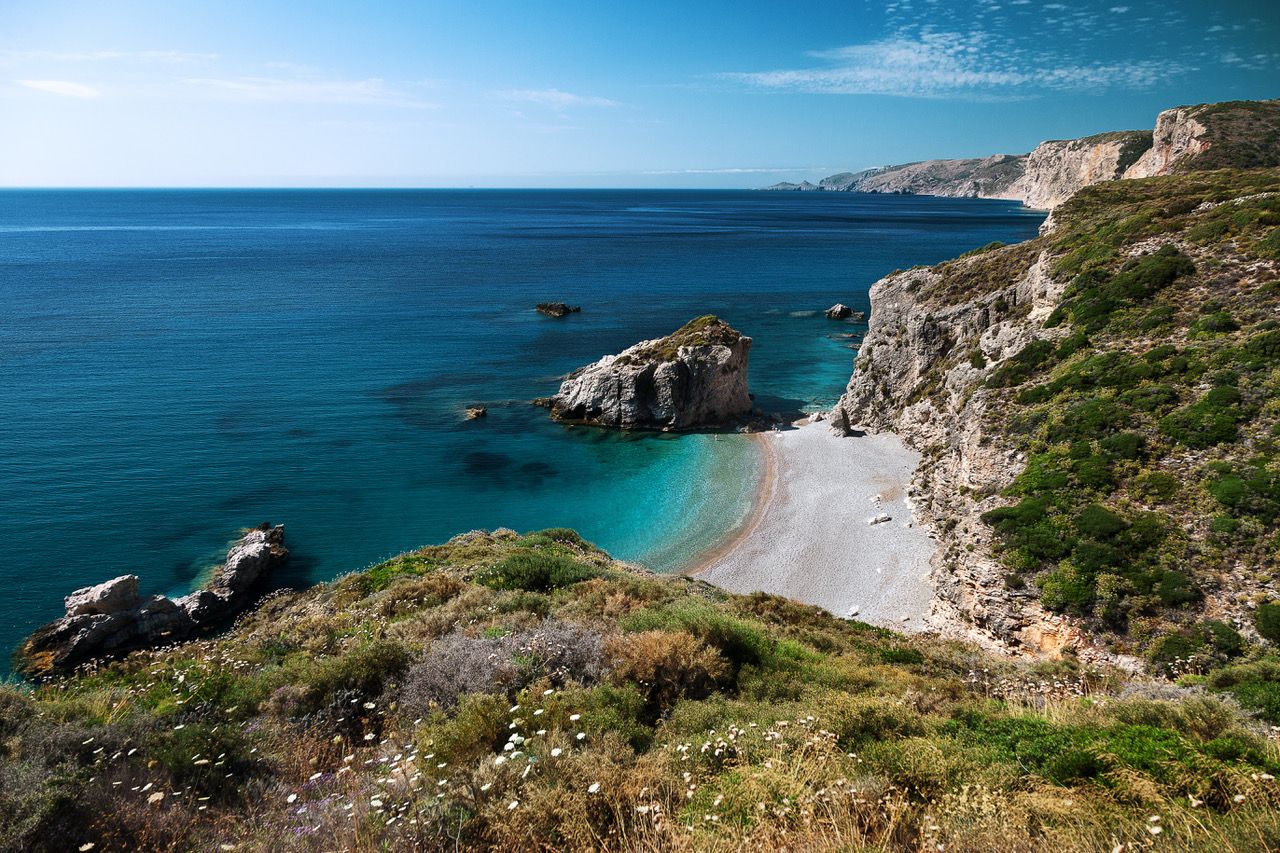
The five islands—Amorgos, Kimolos, Kythira, Sikinos, and Tinos—are located in the southern part of the Aegean Sea, while four of them (Amorgos, Kimolos, Sikinos, and Tinos) are part of the Cyclades island group. All five are characterized by the «Cycladic landscape,» which gives them high cultural and environmental value. The harmonious coexistence of the Aegean Sea with the hills, mountains, traditional settlements, monuments, and archaeological sites creates an iconic landscape that is a vital part of Greek—and, by extension, European—identity.
This multispectral landscape is now in serious danger as the Greek government encourages its conversion into an industrial zone with wind farms. The plan is to install wind turbines at various locations on each island, often next to archaeological sites, Natura 2000 protected areas and as a backdrop-around the perimeter of traditional villages. The proposed wind turbines far exceed the actual energy needs of the islands and are to provide energy to other parts of Greece. The wind turbines will not only have a visual impact on the landscape of the islands, but will also affect their morphological and climatic features, endangering both their flora and fauna and their agricultural, livestock and tourism sectors. This will undoubtedly reduce the environmental and cultural value of the landscape and jeopardise the survival of local communities.
A study recently published by the University of Ioannina shows that Greece can meet the EU’s target for renewable energy systems without installing any additional wind turbinesin protected areas. The Hellenic Society for the Environment and Culture submitted a proposal to the Ministry of Environment and Energy to exclude protected areas from the designated zones for the installation ofwind turbines.
The HELLENIC SOCIETY has selected five representative islands in the southern Aegean Sea to include them in Europa Nostra’s 7 Most Endangered 2021 Program. The HELLENIC SOCIETY has been advocating for a sustainable way of life through renewable energy sources since 1972. However, in the case of the Cycladic Landscape, represented by the Five Islands of the Southern Aegean, the Organization calls for alternative and balanced clean energy solutions instead of massive wind farms, combined with a thorough consultation process with local communities and experts. Many citizen groups and municipalities have recently contacted the Organization seeking advice and support.
The siting of renewable energy infrastructure in (protected) cultural landscapes is among the potential points of conflict between cultural heritage protection and the implementation of the European Green Deal, as identified in the recent Green Paper on«Putting Europe’s shared heritage at the heart of the European Green Deal.» This document reflects the belief that, in the event of such tensions, mutually beneficial scenarios are both desirable and achievable through an appropriate consultation process with local communities and heritage experts.