The current perception of cultural heritage as an economic quantity sometimes leads to one-sided approaches. Thus, in the Cyclades, a top tourist destination, as museums or archaeological sites do not show the saturation that we find in Venice or the Louvre, traditional visitor growth policies would suffice. Monuments and museums, integrated in the competitive experience industry, can indeed, with improved facilities, both physical and digital, and basic marketing, receive an increase in visitor flows, confirming their role as development tools.
However, the landscape of monument management is much more complex. As the relationship between the individual and the community and the monuments is dynamic and fragile, public attraction policies should be multi-level and aim to the constant cultivation of new links between the monument and the community or each individual visitor. Periodic exhibitions, such as «Vanity» at the Mykonos Museum and «Sight» in Delos (in collaboration with NEON), tested new fields of feedback of public interest in a tourist destination (Mykonos) with special characteristics.
Each island requires specific interventions. Horizontal actions, such as the rescue restoration of monuments and new archaeological investigations, enrich the Cycladic monumental stock, while the contribution to sustainable development of sometimes unpopular administrative measures for the protection of the natural and man-made environment is crucial. The Cycladic landscape, both built-up and undeveloped, is particularly vulnerable because of its small scale and simple morphology. The radical reversal of the production model in the Cycladic islands from the primary sector to tourism services, radically alters the historical balance of built and undeveloped space and threatens with irreversible damage the very source of wealth of Cycladic tourism, which is the natural and cultural landscape..
In islands with a visible risk of upsetting the balance between tourism development and the preservation of their sustainable resources, in addition to controlling building, the exploitation of cultural heritage contributes to the qualitative shift of the tourism product from an environmentally aggressive seasonal tourism to an upgraded 12-month tourism. The ongoing upgrading of the museum infrastructure in Santorini or the promotion of the castle of Chora in Mykonos, which is transforming the environment of the emblematic Paraportiani, in close cooperation with the respective municipalities, are part of this framework.
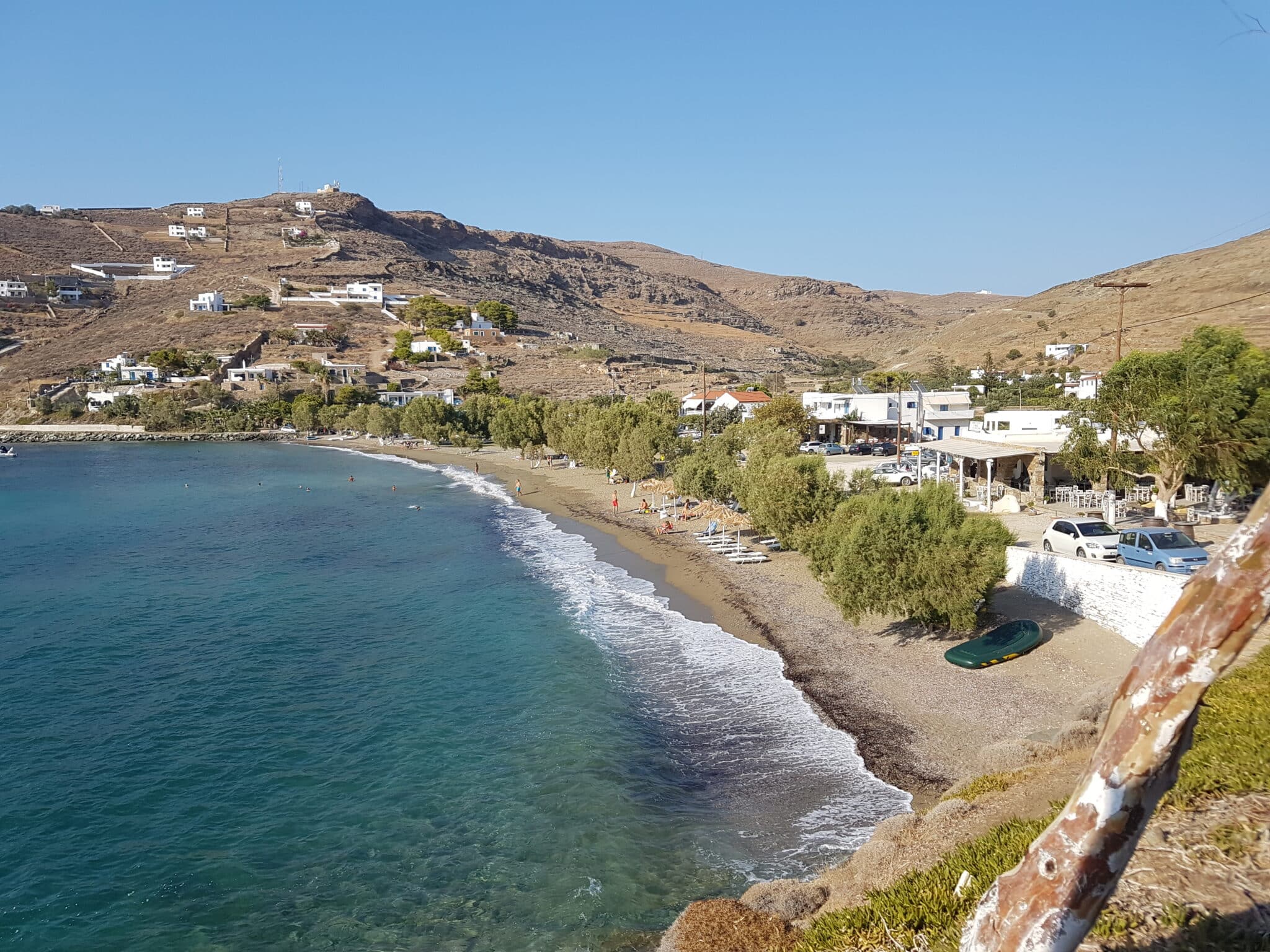
On the islands with a milder pace of tourism exploitation, cultural heritage contributes to sustainable development through the creation of museums, such as in Kythnos and Koufonissi, or through the restoration of their landmarks, such as the Bishopric of Sikinos, projects implemented in cooperation with the South Aegean Region.
In Naxos, which is now consolidating its tourist physiognomy, the emphasis on quality cultural tourism, apart from the systematic promotion of its unique network of Byzantine churches, is given with the multi-faceted museum infrastructure of the Naxos Castle Museum Island, where the medieval acropolis will host three thematic museums in restored monumental shells: Cycladic Culture, Ancient Naxos and Byzantine Naxos.
The supra-regional character of Delos is emphasized through a complex and extensive programme, including, among other things, the restoration of emblematic monuments (the Great Temple of Apollo, the Stoa of Philip, the Granite Palace), upgrading the ruins in the untouched Cycladic landscape of the uninhabited island. This unique synthesis of cultural and natural landscape is planned to remain unspoilt by modern service infrastructures, which will be harmoniously assimilated into the environment. At the same time, the establishment of intangible actions on the island, following the model of the Symposia of Delos by Konstantinos Doxiadis, is expected to enhance the organic integration of the heritage of Delos in the modern community.
In any case, the full exploitation of the Cycladic monuments requires inclusive policies and synergies with local communities, civil society and the private sector, but also complex actions with the equally important intangible cultural heritage of the archipelago.
By Dimitris Athanasoulis, Director of the Ephorate of Antiquities of Cyclades