The jukebox is a semi-automatic music-playing machine. It gets its name from the word ’jook” or “juke,” which in African-American slang means “dance” or “chaos,” and the word “box,” which means “box.”.
It was created by Lewis Glass, a local executive at General Electric. He placed an Edison phonograph with four listening tubes and a coin slot inside a wooden box. For 5 cents, anyone could listen to their favorite song.
The first jukebox was installed on November 23, 1889, in a San Francisco saloon, impressing its patrons. In the early 20th century, the cylinders were replaced by phonograph records and later by 45-rpm records. In 1927, it became electric.
Jukeboxes enjoyed a great boom in the U.S. during the Prohibition era and the Great Depression of the 1930s. It could be found in restaurants, bars (both legal and illegal), and clubs, where people could listen to their favorite hits, dance, and spend money.
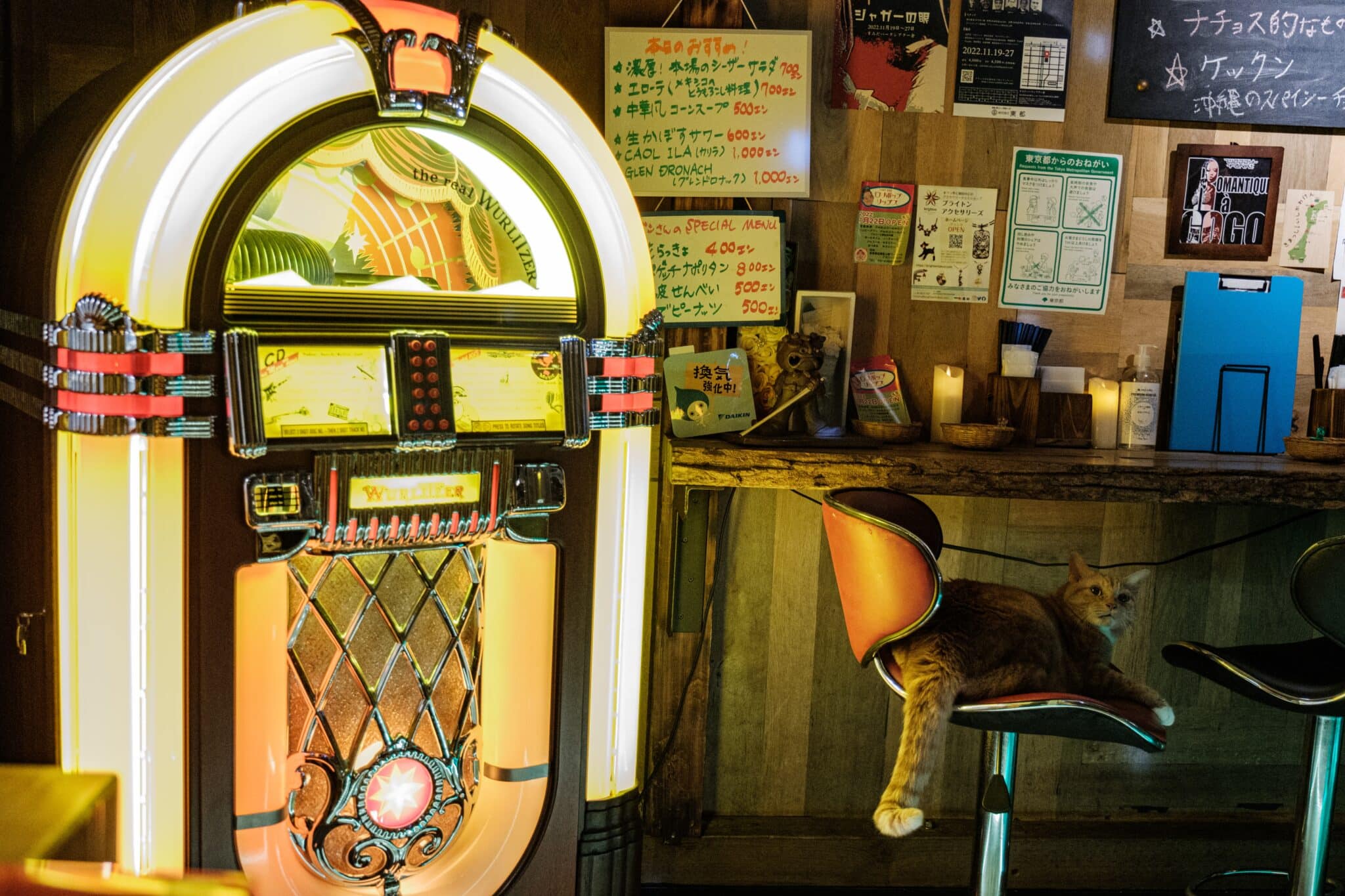
These days, the jukebox is a collector's item, especially the Vourliger, which are true works of art. There are jukeboxes on the market that play CDs and even MP3s.
In the popular imagination, the jukebox is associated with the rise of rock ‘n’ roll, and in our country, with the folk songs of the 1950s and 1960s.