
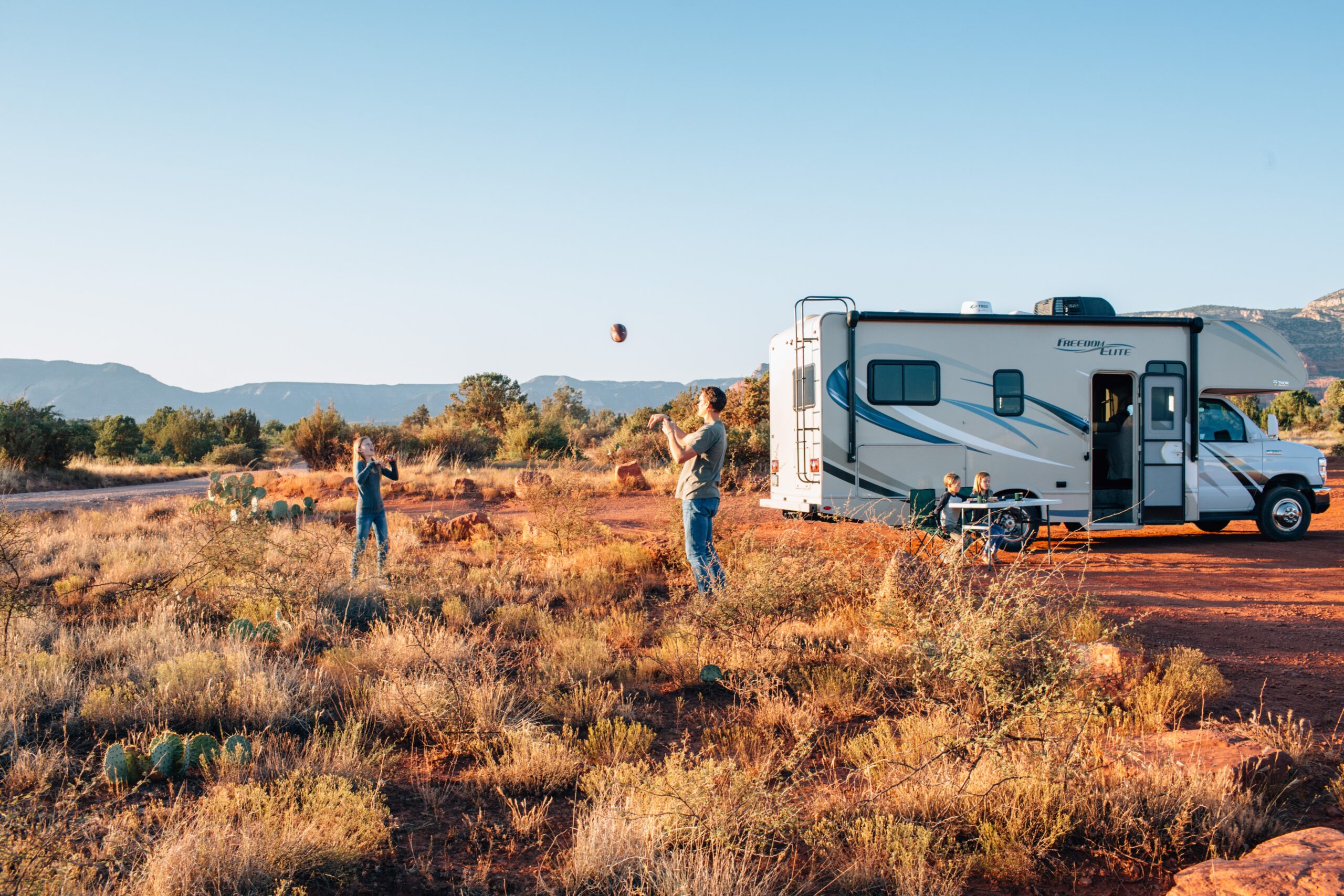
I understand that for those of you who live in the capital and keep up with the city’s pace, there’s a real need to get away for a bit and get closer to nature. I really love seeing people just going with the flow.
The mayor of Tilos, Maria Kamma, is adamant: she opposes the nationwide ban on free camping. After all, for many years now, Tilos has incorporated free camping into its culture, which is rooted in community building and respect for nature.
«The fact that the law in our country has prohibited free camping for many, many years is something I don’t agree with because it restricts people’s freedom, and their happiness, with all that this entails. I don’t subscribe to the philosophy that if a tooth hurts, you pull it out. »There are safeguards that can be put in place that wouldn’t harm society, the economy, or other related businesses, because we all know, to a greater or lesser extent, why free camping was banned,” Maria Kamma comments on tvxs.
He adds that «at the heart of our municipal administration’s philosophy—and at the center of our actions—are people, their happiness, and the environment. For a person to be happy and joyful, they must live in a healthy environment, which is why our initiatives have been recognized at the European level—for our work on renewable energy, zero waste, and humanitarian efforts. Tilos’s response to the refugee crisis, for example, has gone down in history. Even earlier, same-sex weddings were held on the island. ’When you have this kind of philosophy, you realize that you can’t be opposed to this kind of activity, to this kind of alternative vacation.».
Vacation in Nature
Alternative vacations, which include wild camping, clash with modern tourism, which gets more expensive every summer. Vacations on the Greek islands are now considered a «luxury,» with prices having skyrocketed to such an extent that there are destinations abroad that are more affordable.
For this reason, «alternative vacations» are expected to be a priority for a large portion of the population in July and August. This does not mean, however, that this is the only reason people choose to go wild camping on Tilos, Nisyros, or another island. On the contrary, the main reason is what camping in nature has to offer.
To pitch your tent and have trees, sand, or rocks and the sea right in front of you—not doors, windows, and walls. Sleeping under the starry sky. And at the same time, during your stay, at the spot where you’ve pitched your tent, being part of an informal community that, in many cases, on a self-organized basis, and whose members respect nature and respect their neighbors.
What Does the Law Say About Free Camping?
According to Law 392/1976 (Government Gazette A’ 199/1976), titled «On the Establishment and Operation of Organized Camping Sites (Campgrounds) and Certain Other Provisions,» it is prohibited to set up tents or park motorhomes at archaeological sites, along the seashore, on beaches, and in public spaces in general. Since 2012, and in accordance with Article 38 of Law 4055/2012 (Government Gazette A’ 51/ March 12, 2012), an amendment was introduced stipulating that unauthorized camping is punishable by detention—rather than imprisonment—for up to 6 months or by a fine of up to 3,000 euros.
The law governing its enforcement does not require specific camping equipment. For example, a person who is on the beach with a beach umbrella but has items with them that suggest a permanent campsite may be penalized as provided by law. If, on the other hand, that same person has only a towel and a bag, their presence on the beach may be considered temporary, and they will not be prosecuted. Consequently, beach umbrellas or canopies, if not accompanied by «household items,» are not considered illegal.
As for the hammock, it is not considered illegal, but it may be considered part of the campsite if it is located in the same area as a tent.
The same applies, of course, to Tilos, as Maria Kamma confirms, since there is no plot of land designated by the municipal authorities where camping is permitted. In other words, if the Port Authority or the police conduct an inspection on Tilos and find that there are people camping freely, the municipal authority cannot do anything about it, no matter how much its philosophy aligns with the culture of free camping.
In contrast, on Samothrace there is a site provided by the municipal government where camping is permitted. Outside of this area, camping is prohibited, and in fact, the municipal authorities have issued an announcement to that effect.
The Case of Samothrace
Speaking to tvxs, the mayor of Samothrace, Nikolas Galatoumos, emphasized that «those who go and camp outside this area are acting illegally and risk a fine of 300 euros and whatever other penalties may apply. There was a similar announcement last year as well; the municipal authority cannot take a position contrary to the law prohibiting free camping. Authorities from Alexandroupoli are coming down to conduct inspections for unauthorized camping; it’s as if I were to tell them «Don’t come down to inspect» and thereby legitimize this situation, which is both illegal and lawless.».
He clarifies that the fenced-off area where camping is permitted is municipal property, and that «we allow anyone who wishes to do so to enter and camp at their own risk, without paying for accommodation. It also has showers and restrooms. This is not a free camping area, and camping outside this area is prohibited—that is, near waterfalls and cliffs, where we have falls and accidents every year.».
He, however, points out the benefits the island derives from the campground. He notes that «people come by the thousands, and that generates as much revenue as possible. They go out to the market, to the supermarket, to restaurants, to cafes; they get around by bus and by ferry. They may not pay at our campground, but they spend money all around—at restaurants and entertainment venues.».












Way to go! Way to go! And to us, too!!!