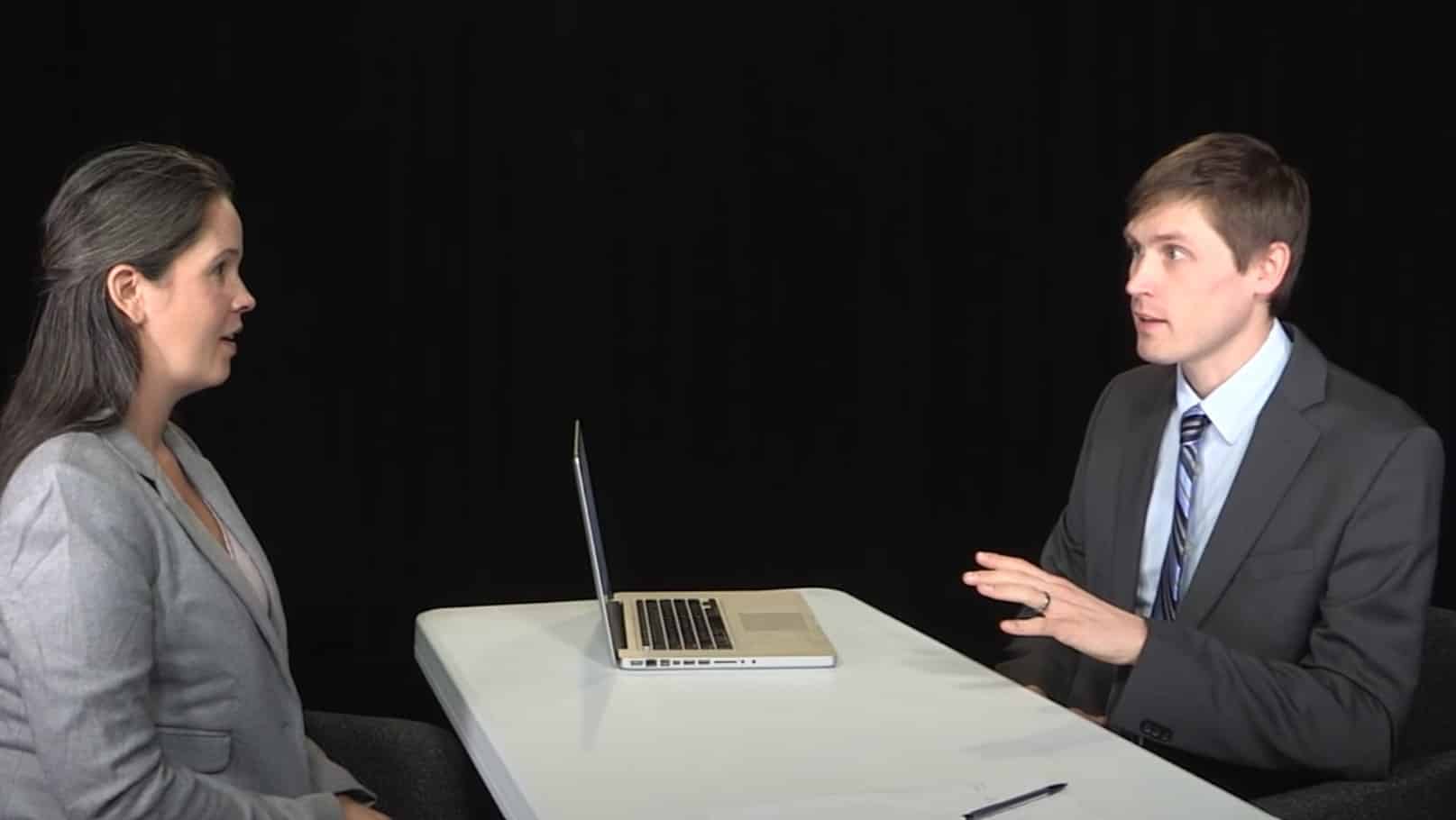
Just as they're taking us away interview for a Work, it is important to «sell» our qualifications and previous experience in order to take on this «role.».
But while we’re doing this, let’s be careful about what we choose to reveal—(this) may reveal more about us than we’d like. Here are some of the subtle «slips» and major mistakes that can derail our job application, according to interviewers and career experts. (In short, here’s what not to say):
1. «I did all the work»
Failing to acknowledge others' work when we should is a red flag for hiring managers.
«The reason people can play their own ”role” [is because] they’re trying to sell themselves in the interview, but there’s a way to sell yourself while still being humble and fair,» says Jocelyn S. Ley,” Global Head of Talent Acquisition at Duolingo.
And If we try to take all the credit, it's easy to make fools of ourselves. Lay reports that she has seen people reveal themselves during background checks or during the investigative phase in response to follow-up questions after the interview, such as «What was your specific role that no one else could have taken on?»
«We want people who know how to work together and give credit where credit is due,» he says, especially if they’re applying for a leadership or human resources position.
But let’s not underestimate ourselves either. Ley notes that job candidates who use «we» statements when explaining their work can prompt hiring managers to think: «Well, what did they do? Were they involved in that?»
2. «I just need the job»
Many people look for work for financial reasons and for stability, but saying this directly to a hiring manager, (this) It will appear that we are interested in any kind of job, not just the specific one we are applying for.
«Not only is the desperation obvious, but the hiring manager may believe that the candidate has no genuine interest in the company or the position,» says Tameka Riley, who specializes in career strategies and resume writing.
3. «What exactly does this company do? And again, what is its name?»
When we're looking for a job, we may come across many opportunities. But it's important to thoroughly research each one.
Asking basic questions about the company and the job description—questions we could have researched in advance—demonstrates lack of preparation which may constitute a significant reason for rejecting the hiring of (that particular candidate for) an executive position.
Ana Laura Falcon, a career strategist with experience in talent identification, says she has noticed candidates who don’t remember which job or position they’re applying for and ask questions like, «What kind of company is this?»
«Aside from the fact that (the above) shows we aren't investing in this job, »for the interviewer, it suggests that they may not really know what they're looking for,'" says Falcon.
4. «I’m going to stray from the topic and talk about my personal life here…»
With questions that have no time limit (for answering), it can be easy to start talking about our entire life and personal journey, but that can be a mistake if it’s not relevant to the job we’re applying for.
«For example, let’s take the job interview question, »Where do you see yourself in five years?«» says Sarah Johnston, co-founder of Job Search Journey. “As a former corporate recruiter, I’ve seen the wrong kind of job seekers here giving an answer that has nothing to do with the job they’re interviewing for.”.
«Job seekers said they wanted to open their own restaurant, go back to school, or run for political office,» he added. «And while I can appreciate their honesty, a hiring manager doesn’t necessarily care whether we’ll be in that specific position in five years, but … whether the position aligns with our personal development plan.».
In other words, Let's make sure our answers are tailored to this specific assignment.
«When candidates provide personal information that isn’t related to the job or their qualifications, they aren’t given the opportunity to truly demonstrate their qualifications and stand out,» says Falcon.
5. «I hated my previous boss»
During a job interview, candidates should build a rapport with the hiring managers. However, as we prepare to be friendly, let’s keep in mind: They are not our friends or our therapist. They are evaluating us for a job.
Let’s take a look at a common interview question (of this type): «Why are you looking for a new job?» Even if we’re looking for a job mainly to escape a toxic work culture or (an) unreasonable boss, let’s not be too honest with our answer.
Lay notes that one reason (confession) is appealing is because «many of these candidates had no outlet for sharing their grievances.» And if there’s a recruiter with whom we have a strong relationship, «we almost become their therapist,» says Lay, adding: «It’s easy to slip into excessive familiarity »because they feel so comfortable. But let's not forget, it's still a professional setting.".
And above all, speaking ill of our previous employer (that) shifts the spotlight away from what really matters. By singling out our boss and coworkers, we make the interview seem as though it’s about them, when it’s supposed to be about us.
By Monica Torres