As simple as it may seem as a process, arranging our fridge is quite complicated. Therefore, as we place our products, we make mistakes that even we don't realize.
In addition, we may even make mistakes when it comes to the use of the device in question, which could cost us extra money. Therefore, before placing food in the refrigerator, we must ensure that we do not do any of the following.
Not putting food in the right places
It may seem convenient to cram produce into every empty inch of space, but there is certainly a better way to organise your fridge. Storing food in the right temperature zones will make food last longer, saving money on our bills, even in the long run. The general rule of thumb is to store food and beverages on the top shelves and raw materials such as meat, fish, dairy and other perishables on the bottom shelves. As far as the drawer in our fridge is concerned, it is the ideal place for fresh produce. However, avoid putting fruits and vegetables next to each other, as the ethylene from the fruit can result in the vegetables spoiling quickly.
We put things in the fridge that shouldn't be there
We often think that our fridge is the best place to keep all of our perishables, but there are certain foods that should never be put in the fridge. In fact, keeping such foods at a cold temperature will have the opposite effect and cause them to lose their taste and nutritional value.
Some foods that don't belong in the fridge are bread, tomatoes, avocados, strawberries and fresh herbs. Ideally, these foods are best kept at room temperature.
We're tweaking our fridge
A full fridge may seem like paradise, but our fridge needs enough space for air to circulate and for food to freeze properly. Without air, our fridge will underperform, ultimately making food spoil faster.
What we have to do, therefore, is to fill our shelves properly, as much as we need to, without stacking too many items.
We do not set the temperature of our refrigerator correctly
Incorrect temperature setting may affect the quality and shelf life of fresh produce. Ideally, the refrigerator temperature should be between 35 and 38 degrees. If it is set below 32 degrees, food will freeze excessively, and any temperature higher than 40 degrees may damage the produce. If our refrigerator doesn't have a built-in thermometer, we can hang one inside the refrigerator ourselves so we can check the temperature.
Do not let leftovers cool before putting them in the fridge
We all sometimes have leftovers that we want to put in the fridge so they don't go bad. However, if we don't wait for them to cool down, putting them in the fridge may do more harm than good.
While most fridges can cope with the heat dissipated by small portions of hot leftovers, if the temperature rises above 40 degrees, bacteria will soon start to multiply. This will inevitably make our food scraps dangerous for food poisoning.
Therefore, it is recommended to let hot foods cool for about two hours before putting them in the fridge.
Leave the refrigerator door open
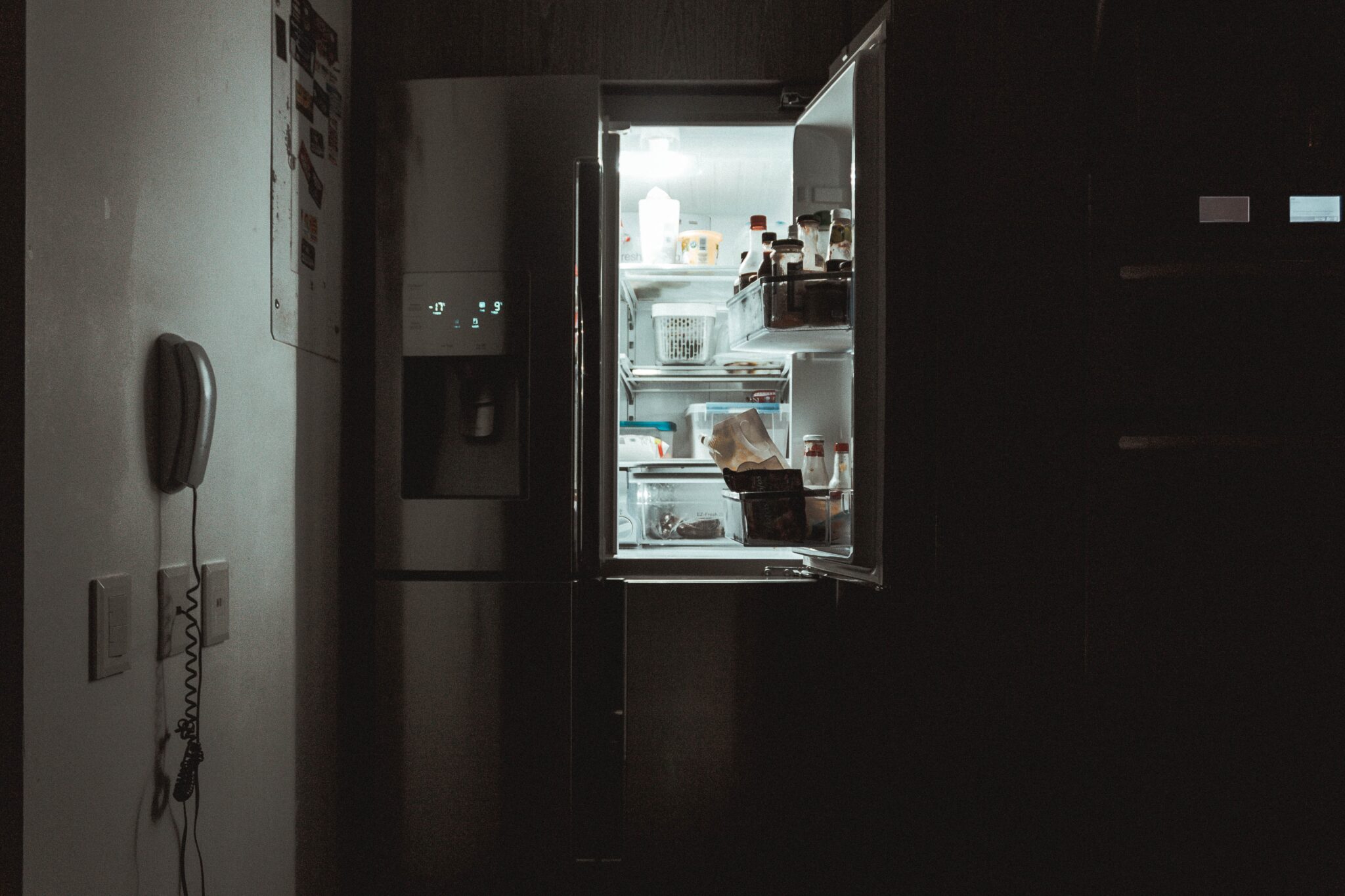
While it's reasonable to leave your fridge open for a minute or two, if we make the mistake of leaving the fridge door open for a long time or overnight, the temperature inside your fridge will start to rise as all the cool air is forced out. This will heat up our food at the risk of spoiling or even spoiling it, especially if it is milk, meat or cheese.
We don't clean our fridge as often as we should
If we can't remember the last time we cleaned our fridge, then we don't clean it often enough. Yet, the fridge is the number one place for spills and just like our other kitchen appliances, it's vital that we clean it regularly. This will get rid of the daily grime and bacteria.
In addition, it is important to pay attention to the way our fridge door closes, as dirt build-up often prevents our fridge from closing properly.
Another top tip to get rid of odours in your fridge is to leave a small bowl of baking soda inside, which acts as a natural cleaner that can be used for various household chores.
More tips to make our food last longer:
- Never leave frozen food out of the fridge for too long.
- If you have a full fridge, it is important to lower the temperature to avoid ice formation.
- We try to consume the leftovers from our meals within two days in order to avoid contamination.