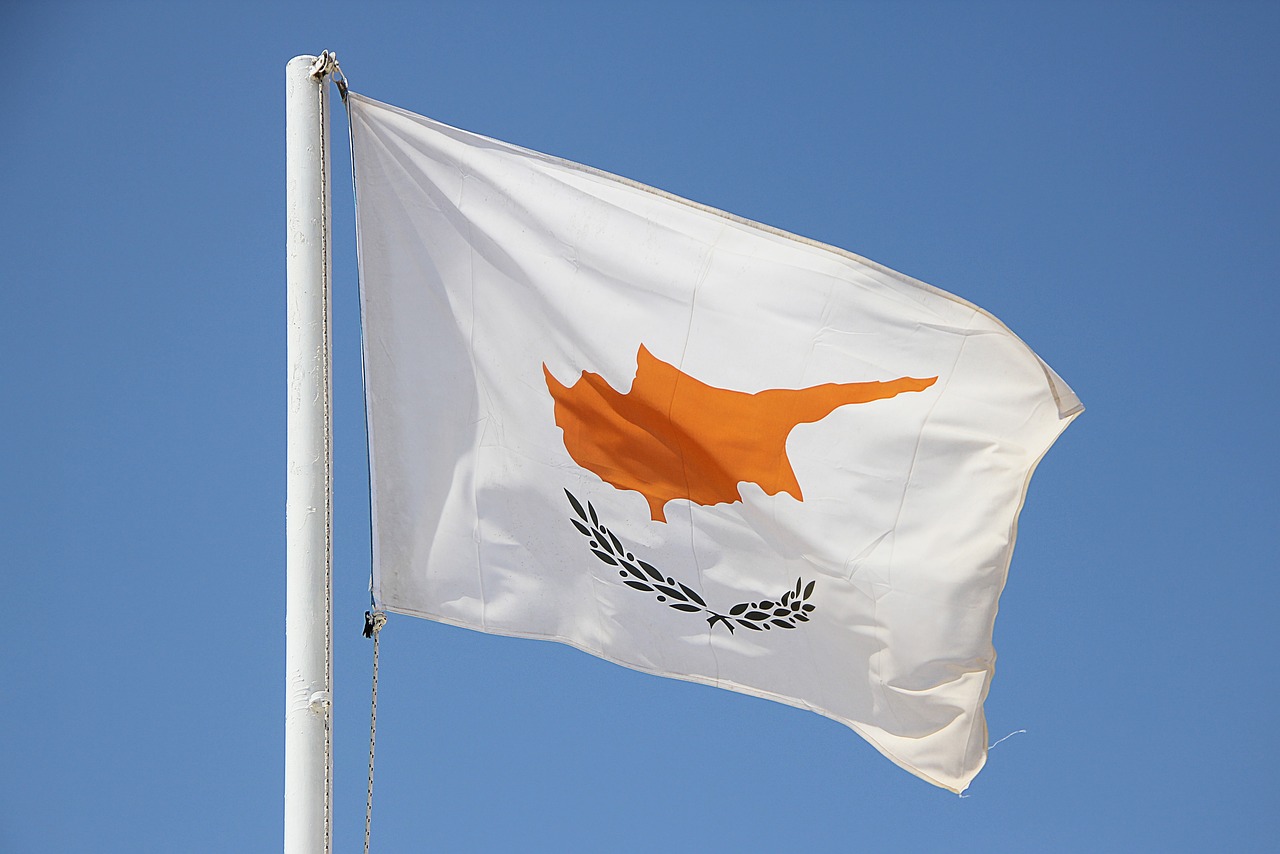
The Republic of Cyprus, in a letter from its Permanent Mission to the UN addressed to the Secretary-General, reiterates its long-standing positions on the so-called «Memorandum of Understanding» between Turkey and Libya in 2019, which, as it emphasizes, «is inconsistent with international law and, in particular, with the rules of international law governing the conclusion of treaties, as well as with the Law of the Sea, as set forth in the United Nations Convention on the Law of the Sea (UNCLOS).».
In the letter, which also refers to earlier letters from Cyprus to the UN (January 20, April 24, and July 20, 2020), it is emphatically noted that «the Memorandum in question does not produce any legal effects for third parties, nor does it affect the rights of third States with respect to maritime zones, including their sovereign rights under international law.».
Nicosia emphasizes that Libya, through this Memorandum, «refers to an alleged delimitation of maritime zones between two states that do not have opposite or adjacent coasts, thereby creating a non-existent maritime boundary between them, while deliberately disregarding the presence and maritime rights of the coastal states in the region, including Greek islands such as Crete and the Dodecanese.».
Special mention is made of Article 121 of UNCLOS, which, as noted, «reflects customary international law and, as such, is binding even on states that are not parties to the Convention.» It is further emphasized that this article «expressly provides for the right of islands to a territorial sea, a contiguous zone, a continental shelf, and an Exclusive Economic Zone.».
The document also points out that «the line closing off the Gulf of Syrte, as well as the corresponding demarcation of the straight baseline, are not consistent with the rules of customary international law, as reflected in the United Nations Convention on the Law of the Sea (UNCLOS), and, consequently, have no legal effect.».
Nicosia emphasizes the importance of full respect for international law and recalls that «agreements on the delimitation of maritime zones must be concluded between States with opposite or adjacent coasts, in good faith and in accordance with the established principles of international law, as codified in UNCLOS and guided by international case law.».
At the same time, the Republic of Cyprus notes «Libya’s stated readiness to engage in negotiations with all neighboring states regarding the delimitation of maritime boundaries in accordance with international law.».
In closing, the Permanent Mission of the Republic of Cyprus requests «that this letter be circulated as a document of the General Assembly, under agenda item 75, and of the Security Council, as well as to be published on the website of the Directorate of Maritime Affairs and the Law of the Sea and included in a future issue of the Bulletin on the Law of the Sea.».
The full text of the Verbal Communication:
“The Permanent Mission of the Republic of Cyprus to the United Nations presents its compliments to the Secretary-General of the United Nations and, following the notes verbales dated May 27, 2025, and June 20, 2025, from the Permanent Mission of Libya to the Secretary-General, has the honor to state the following.
The so-called Memorandum of Understanding on the Delimitation of Maritime Zones of Jurisdiction in the Mediterranean Sea, between the Government of the Republic of Turkey and the Government of National Accord of the State of Libya, dated November 27, 2019, which purports to delimit the Exclusive Economic Zone and the continental shelf between their coasts, is inconsistent with international law and, in particular, with the rules of international law governing the conclusion of treaties, as well as with the Law of the Sea, as set forth in the United Nations Convention on the Law of the Sea (UNCLOS).
Consequently, this Memorandum does not produce any legal effects for third parties, nor does it affect the rights of third States regarding maritime zones, including their sovereign rights under international law. (You may retrieve letters from the Permanent Representative of the Republic of Cyprus to the United Nations, dated January 20, 2020, April 24, 2020, and July 20, 2020, addressed to the Secretary-General).
This Memorandum refers to the alleged delimitation of maritime zones between two states that do not share a common or adjacent coastline, thereby creating a non-existent maritime boundary between them, while deliberately disregarding the presence and maritime rights of the coastal states in the region, including Greek islands such as Crete and the Dodecanese.
It is emphasized that Article 121 of the United Nations Convention on the Law of the Sea (UNCLOS), which reflects customary international law and, as such, is binding even on states that are not parties to the Convention, expressly provides for the right of islands to a territorial sea, a contiguous zone, a continental shelf, and an Exclusive Economic Zone.
It should also be noted that the line enclosing the Gulf of Syrte, as well as the corresponding delineation of the straight baseline, are not consistent with the rules of customary international law, as set forth in the United Nations Convention on the Law of the Sea (UNCLOS), and, consequently, have no legal effect.
The Republic of Cyprus emphasizes the importance of full respect for international law.
It recalls, in this context, that agreements on the delimitation of maritime zones must be concluded between States with opposite or adjacent coasts, in good faith and in accordance with the established principles of international law, as codified in UNCLOS and guided by international case law.
The Permanent Mission of the Republic of Cyprus notes Libya’s stated willingness to engage in negotiations with all neighboring States regarding the delimitation of maritime boundaries, in accordance with international law.
The Permanent Mission of the Republic of Cyprus respectfully requests that this letter be issued as a document of the General Assembly, under agenda item 75 of the General Assembly and the Security Council, as well as to be published on the website of the Directorate of Maritime Affairs and the Law of the Sea and included in a future issue of the Bulletin on the Law of the Sea.”.
Γ. Garantziotis