Australians voted Saturday in the national elections, which, according to the polls, are likely to favor Prime Minister Anthony Albanese’s Labor Party over the conservative opposition, as concerns over President Donald Trump’s erratic policies overshadowed calls for a change in the continent’s political direction.
Both of Australia’s major political parties have focused on alleviating concerns about the cost of living, but polls show that the global uncertainty caused by Trump’s tariffs has quickly become the top issue for voters during the election campaign.
Albanez told television stations in Melbourne that his center-left government had «laid a truly strong foundation.».
«We have real wages that are rising, and we have inflation that is falling,» the prime minister said before traveling to his constituency in Sydney to cast his vote. Wrapping up a five-week election campaign, he has pledged to address the housing crisis and strengthen Australia’s universal healthcare system during his second term.
The opposition leader, Peter Dutton, also began his day in Melbourne, urging voters to choose the Liberal-National Coalition «to get our country back on track,» before heading to his home state of Queensland.
«I think a lot of quiet Australians came out today to support the coalition,» Dutton said after casting his vote in his Brisbane district, which is held by a narrow margin by the Liberal Party.
The elections come less than a week after the Liberal Party of Canada returned to power in a major political upset, fueled by backlash against Trump’s tariffs and his comments about making Canada the 51st state of the U.S.
The Labor Party tried to portray former police officer Dutton—who has pledged to drastically reduce immigration and cut thousands of public-sector jobs— as a Trump-supporting conservative, hoping that some of Australians’ negative feelings toward the U.S. president would spill over onto the opposition leader.
Dutton tried to distance himself from comparisons to the zeal of Trump’s adviser, Elon Musk, regarding service cuts, but fell behind the Labor Party after the U.S. imposed tariffs on Australia. Dutton had been leading in the polls until February.
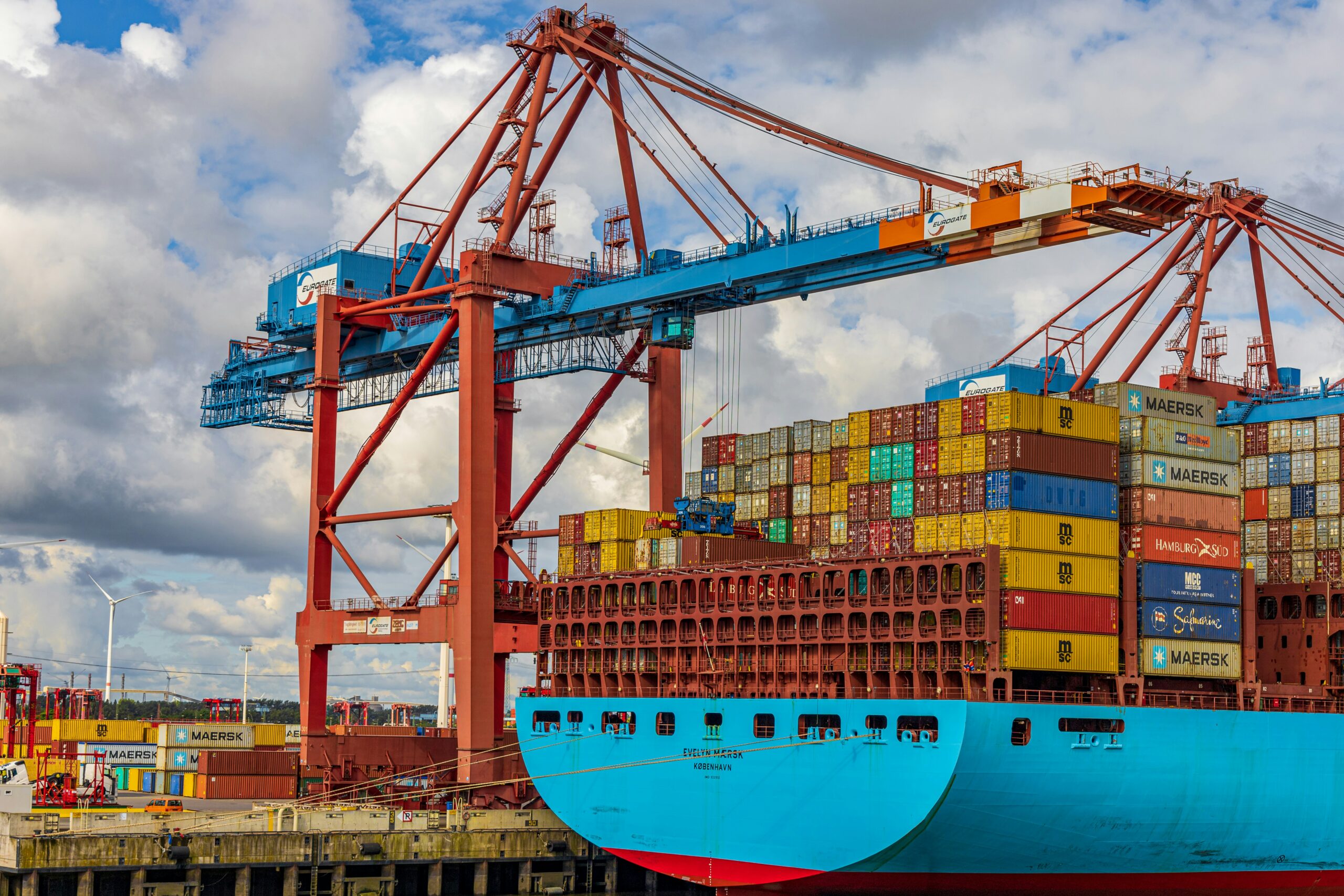
Australia is a close ally of the United States on international security issues and generally runs a trade deficit with the United States. Nevertheless, it was not spared from Trump’s 10% tariffs imposed on Australian exports.
Polling stations in Australia—one of the few democracies with mandatory voting—opened at 8 a.m., although a record 8 million of the 18 million eligible voters had already cast their ballots before Saturday. Polls close on Sunday at 6 p.m.