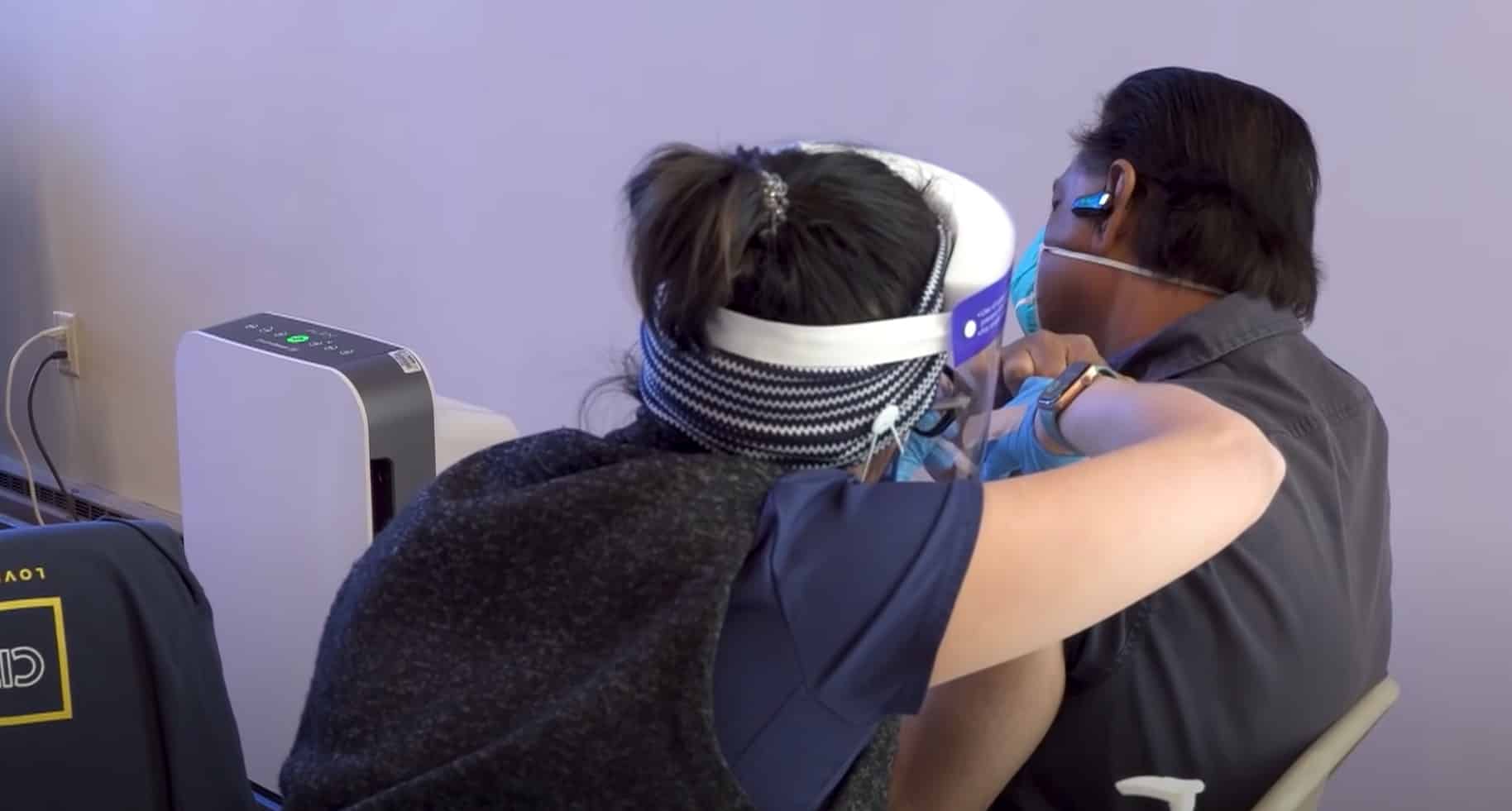
The platform of appointments for vaccination against COVID-19 with the third dose of the vaccine and concerns, in accordance with the instructions of the National Committee for Vaccination, them immunocompromised, about 285,000 citizens. Since yesterday, citizens belonging to this category have been receiving a reminder sms on their mobile phones to book appointments for the booster dose.
The third dose of the vaccines will be mRNA vaccine (Pfizer or Moderna) for people who have received two doses of mRNA baseline vaccine and one dose of mRNA vaccine in people who have received two doses of Astra Zeneca vaccine or one dose of Johnson & Johnson vaccine as a baseline vaccination regimen.
Η booster dose will be given four weeks after the second dose in the following high-risk patient groups:
- People with a transplant. Solid organ transplant or haematopoietic cell transplant.
- People on a transplant waiting list.
- People with kidney failure undergoing dialysis or peritoneal dialysis.
- Cancer under treatment.
- Solid organ cancer in people who are being treated and the treatment includes chemotherapy, radiotherapy, immunotherapy or other types of therapy.
- Hematological cancer in the last five years.
- Immunosuppressed individuals including patients with anti-inflammatory, autoimmune or other immunosuppressed diseases, receiving specific immunomodulatory therapies, as well as people with primary immunodeficiencies or people with HIV infection who have a CD4 count below 200.
The objective of the third instalment
The administration of a booster dose of vaccine aims first of all to «shield» people who, due to disease or treatment, have not been able to have a satisfactory antibody response after the basic vaccinations and remain vulnerable to infection.
Also, the reactivation of the immune response so that higher levels of antibodies are generated and make up for the decline seen with studies of antibodies over time.
The National Vaccination Committee has concluded that immunosuppressed people will be followed for a third dose by the group of people living in elderly care facilities on the one hand and people over 60 years of age on the other.
At the same time, data are being evaluated to continue to classify the population groups to be vaccinated due to risk of increased exposure or underlying problems such as other chronic diseases.