The warlike climate of deadlines and threats of total destruction in the Middle East suddenly gives way to diplomacy, after the official announcement of a 15-day ceasefire.
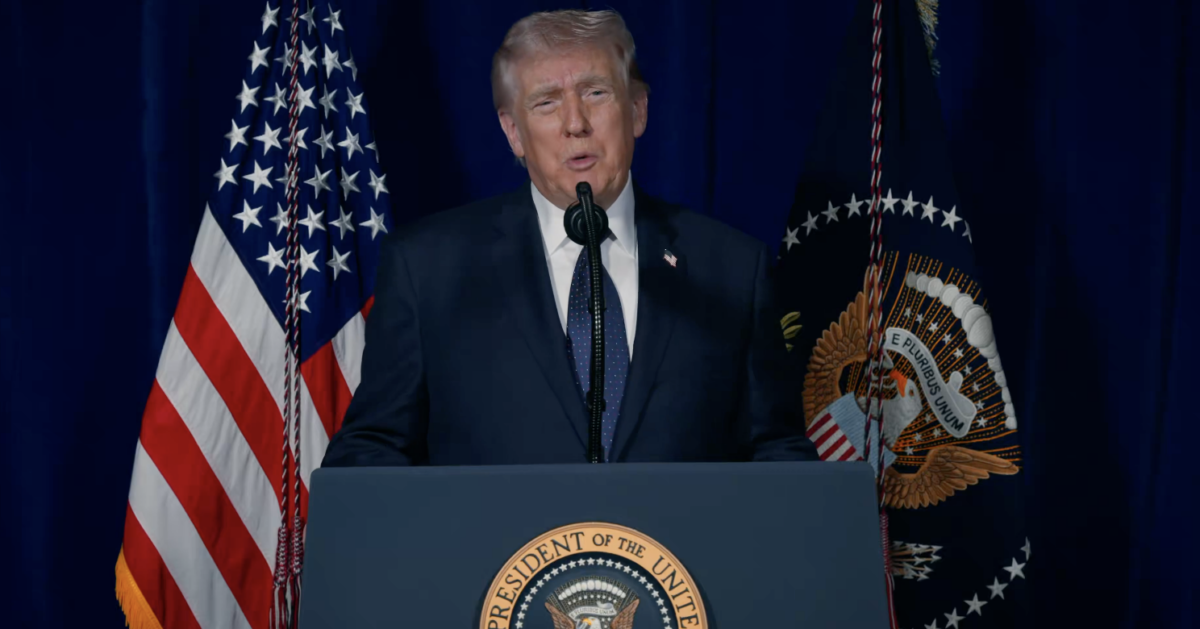
Despite the fragile nature of the ceasefire, with Tehran warning that it remains «with its finger on the trigger» in case of a violation, US President Donald Trump was quick to hail the developments, calling it a «total victory».
In a major shift in its stance, the White House seems to be abandoning the rhetoric of telegraphs, accepting to consider the 10-point peace plan submitted by Iran. Trump described the draft as a «good basis for negotiations». According to international news networks, formal talks between Washington and Tehran may even start on Good Friday, with the BBC, however, predicting that the process will be «particularly difficult».
The «thorn» of Iranian demands
Iran makes it clear, through its state media, that the definitive end of the war depends solely on the acceptance and finalisation of the details of the 10-point plan.
The main pillars of Tehran's demands include:
- Full lifting of all primary and secondary US sanctions.
- Consolidation of Iranian control over the Strait of Hormuz.
- Complete withdrawal of US troops from the Middle East region.
- Ending all aggression against Iran and its allies.
- Immediate release of frozen Iranian assets abroad.
- Ratification of the final agreement by a binding UN Security Council resolution.
A crucial detail that raises questions is pointed out by the Guardian: while the Farsi version of the plan explicitly included the phrase «acceptance of enrichment» (uranium), this term was mysteriously absent from the English documents distributed to foreign journalists by Iranian diplomats.
Low expectations for a final agreement
Despite the start of the dialogue, the distance between the two sides remains chaotic, with the «red lines» that have been drawn over the past year seeming insurmountable.
Reactions within the US are already strong. Democratic Senator Chris Murphy, speaking to CNN, expressed doubts about the credibility of the talks, stressing that «if the agreement gives Iran the right to control the Strait of Hormuz, it will be a very disastrous development».
For his part, Donald Trump refrained from commenting on the substance of the Iranian demands, contenting himself with the statement that the US «will help address the congestion in the Strait of Hormuz».
In any case, analysts converge on the assessment that Washington's full acceptance of Tehran's terms is highly unlikely. However, the plan now provides the official framework for the first serious diplomatic effort to defuse the situation after a month and a half of US-Israeli military operations and Iranian retaliation that brought the region to the brink of total conflagration.