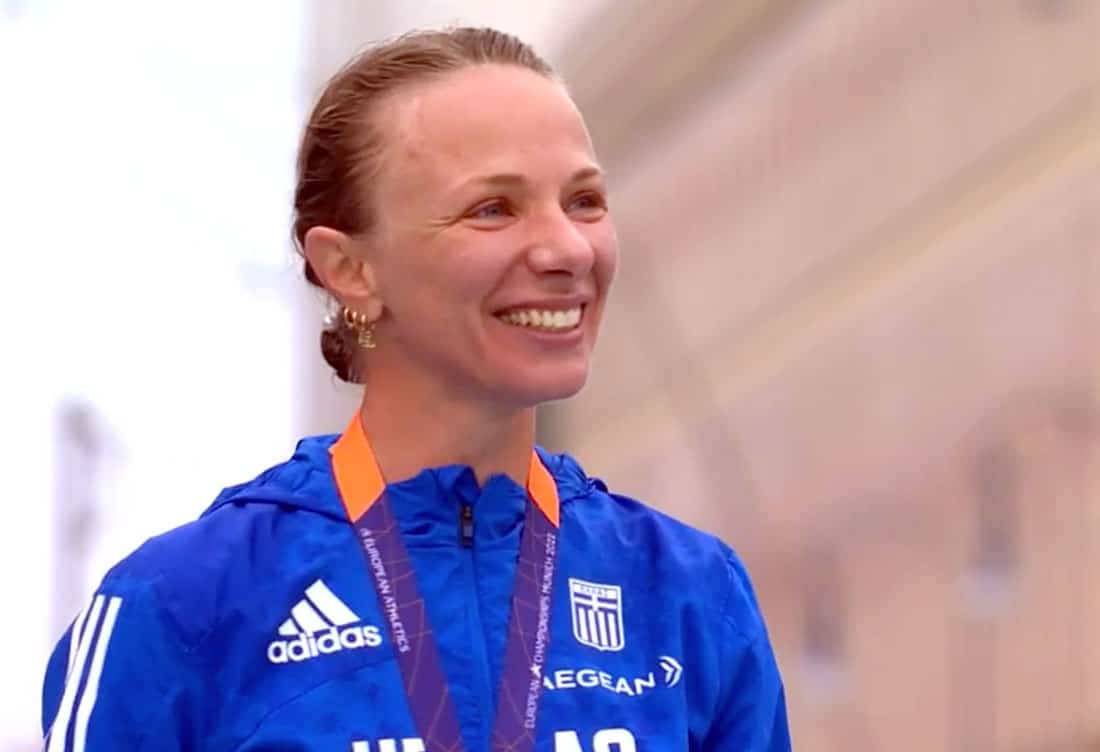
The European champion is a modern-day heroine. She has had - and is having - a very difficult time in recent years. Her training time is usually midnight, as she works all day at her mother's chip shop. And it wasn't enough that the pandemic shut down the restaurant for a long time, the shops where her musician husband, the Angel of her life, used to perform also closed. And along with all this came the floods in Karditsa in 2020 that made the family's life even more difficult.
But the icing on the cake was that she was considered written off by the Olympic federation, which last year cut off her allowance as a high-level athlete.
Those responsible of the state set a limit of 30 years and Antigone had far exceeded it.
She herself, although low-key, protested strongly: «This is a racist decision by people who were elected to represent us on the Olympic Committee, people whose role is to support us athletes and not just use us and discriminate on the basis of class by choosing to support athletes on photographic criteria. I am truly sorry because what they did is racist, you don't exclude athletes because of age or popularity, you don't ignore athletes who are far from the decision making centers or athletes who choose to keep a low profile and only look after their work.»
After the medals all the spotlight fell on her.
And she wondered: «Is there an age to our will? When you feel alive inside, is there age?» disarmingly replied in an interview with Kathimerini when asked to comment on the fact that for the authorities her age was prohibitive for sports.
But Antigone is not the only one who impresses us with her performance despite her «age». .
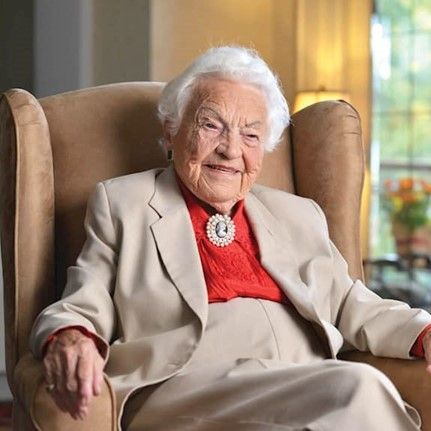
H Hazel McCallion was for 36 years mayor of Mississauga, Canada. She retired at 93, but that didn't stop her from continuing to dream and set high goals.
And this year at 101, «Hurricane Hazel,» as her compatriots call her, signed a three-year contract with Toronto Airport. And she says she's all set to take over its management.
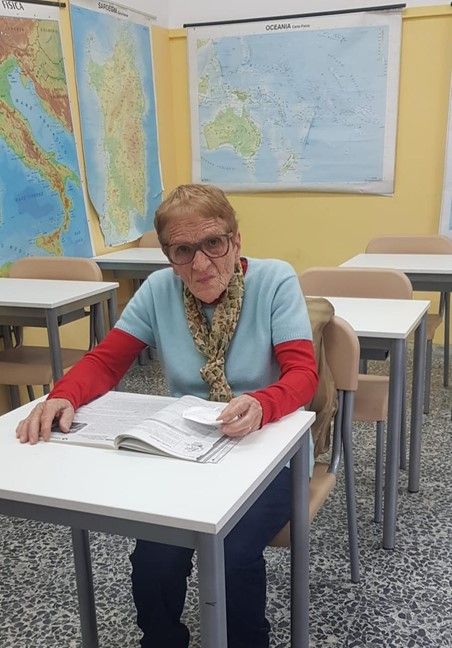
An Italian girl from Sardinia, Annunziata Murgia, who had dropped out of school due to World War II, returned to the desks to receive her high school diploma at the age of 90. And in fact, despite her hearing loss, she is one of the best students.
I personally bow to the energy, stamina and perseverance of these women.
Women who remind us that -very often- biological age is just a number. ‘As for me, at 60, I am still a «youth», and I have several years ahead of me for such impressive achievements.
I am a proud baby boomer, one of the last of my legendary generation.
Born in 1962, this year I went through the «Rubicon» of a decade that seemed frightening to me only 10 years ago - and even when I was the age of my children it seemed like a step before the «end». But like many 60-somethings of my era, I still feel fresh, creative and very productive. Even though the pandemic has put me in the vulnerable groups!!! I obviously belong to this category that we recently call «YOLDS» (Young Olds)
I am still and remain active biologically, socially and professionally .
I also have the opportunity to observe from the inside and with particular interest the «ferment» in the labour market in Greece and abroad. I can observe them with relative ease, having been for almost 40 years an executive who has worked in several companies and climbed several ranks, as my generation was fortunate enough to do. I feel grateful for this «journey». But I often feel remorse, because I know that my «millennial» children will hardly experience the joys and especially the rewards that working provided my generation.
I was lucky for the years I lived and the happy circumstances, but I also had a secret. My secret was constant change and lifelong learning.
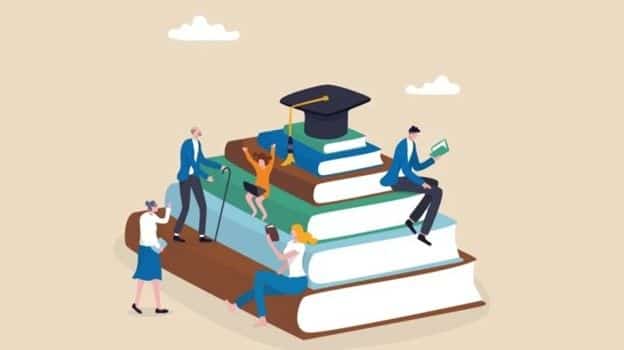
I was not afraid of change, on the contrary, I sought it. I changed not only companies but also careers 4 times. From chemical engineer I became a marketing executive, a communications and sustainability executive and now my main occupation is teaching at universities in Scotland and England.
I started working at a time when computers took up an entire room, we lived without email and mobile phones, and now I'm one step away from putting a microchip in my hand for my transactions. These exciting challenges and changes of the last 40 years that I have decided to take on head on and make the most of have kept me «young» and active.
I've done a lot of work on the issue of prejudice in the workplace in relation to gender and minorities, but not particularly in relation to age, what in English is called «ageism».
A few months ago I took part in a Fortune panel where this sensitive issue was discussed and this experience gave me the impetus to do some deeper thinking about it.
Like all of us, I believe, I have found that the pandemic is an accelerator that has brought to the boiling point many issues that were «simmering» in our society, including drastic changes in the composition and organisation of the labour market. A market where for the first time 5 generations coexist.
Generations with very different characteristics, which are difficult to combine productively. According to international definitions, the generations are as follows:
1928-1945 .The traditional. The «maths», usually company owners or board members who are still active
1946-1964. The evergreen, ambitious and workaholic baby boomers like my boss
1965-1980. The steel and organizational Generation X, the «intermediaries» between the old and the young
1981-1995 . The much-discussed - and a little spoiled - Generation Y (the «otherwise», the idealists and doubters millennials)
1996- 2010. The over-connected technologically, over-indebted financially and insecure about its future Z generation
I have been lucky enough to work for the last 25 years in such an environment, a wonderful mix of nationalities and ages..
And I think that was the most interesting and useful experience in my life. We worked together on dozens of projects, we fought and fell in love dozens of times. We learned a lot from each other, sharing knowledge and experiences from technology to serious crisis management and from music and theatre to cooking recipes. A wonderful experiential journey that helped my growth exponentially and made me a better person.
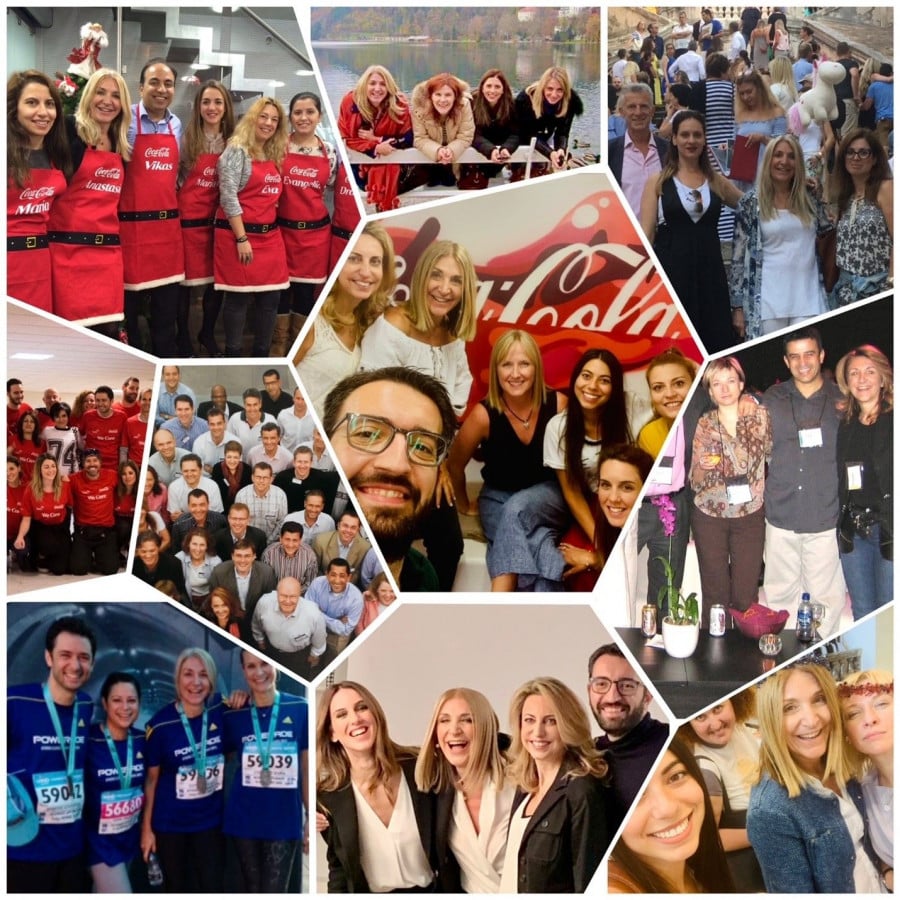
The existence and integration of all these age groups in the same workplace, apart from personal development, is also an excellent opportunity for creation and innovation for businesses in the private and public sector.
Young people bring much more than new knowledge and use of new technologies, which they play with. They bring freshness of thought, speed and endurance, daring and risk-taking and of course increased social awareness. But with age comes «wisdom»,. And with it comes teamwork , loyalty, reliability and resilience to stormy changes.
Unfortunately, what we have seen in recent years is a sharp attempt at «age homogenisation». This is being done through massive layoffs and early retirements of baby boomers that have been partially offset by hiring younger people, but at much lower salaries. The baby boomers held high leadership positions, you see, and replacing them with younger executives brought economic benefits to businesses. But in doing so, valuable capital of knowledge and experience was abruptly lost before it could be passed on in a timely and appropriate manner.
At 60 today one is still very young.
He does not look or feel decommissioned. But there are stereotypes and prejudices that do not allow the reintegration of 60+ , sometimes even 50-year-olds, who are considered to be «spent», with reduced stamina and limited adaptability. Their CVs remain in obscurity, unclaimed, and few think of giving them the opportunity to share their long experience. I have friends - at these ages with vast experience and eagerness to work who have been trying for 3 years to get a job again, have sent out hundreds of resumes and... not a single phone call. What a shame...
But Generation Z, the 20-somethings and 25-somethings who are now starting to enter the market, face a similar problem.
Unemployment rates are soaring because they are often - despite their many qualifications - excluded from jobs, usually on the grounds of lack of experience. But this is not the only reason, Young generations with their global awareness and social and environmental sensitivities are challenging the strategic choices and traditional top-down structures of corporate organisations and public bodies. They question hierarchies, schedules, and rules. And that scares employers. Also their need for work-life balance is alienating.
And although younger generations have the highest rates of university graduates, according to a recent study by Randstad and Future Workplace, employers feel they don't know how to communicate face-to-face. That they are not prepared to resolve conflicts, negotiate and manage other people. They feel that they lack the required soft skills and that they are not able to work -with- generations older than their own. Let alone supervise them. Our poor children are in danger of being left unclaimed from the start.
This is where the experienced baby boomer could really help.
To advise and mentor young people in their careers. To share his experience and protect them from misadventures. To marry their strengths and skills and create enviable teams capable of handling any kind of circumstance. This is the stake and the opportunity. But for them to coexist in harmony, each side must recognise and respect the other's specificities.
But even when hiring is no longer possible for a notable baby boomer, because there are simply no positions in the organizational chart after the last reorganization, there are other forms of employment . e.g. flexible and flat-rate work, consulting could be some ways to avoid losing the incredible potential of the older generations.
And of course businesses need to believe and embrace this marriage and adjust their policies accordingly. It is no longer acceptable to have «one size fits all» recruitment policies, office designs or choice of hours and types of incentives
The conclusion is one. The larger the age mix, the more difficult to manage, but the greater the benefits to business and society.
But employers and the state need to take off the blinders, as do those responsible for sport. They should give a platform and opportunities to the age extremes. And at the same time seek to manage diversity effectively, always with respect for each age group. With the ultimate goal of harmonious cooperation, dynamic creativity and a participatory process of development, because that is what the times demand, not prejudice or short-term profit at the expense of human dignity.
For as Antigone asked herself, «Has our will come of age?» It does not, we would all reply, I think.
Author of the article:

Anastasia Sideri is a Chemical Engineer, Communications Specialist, and Honorary Professor at the University of Glasgow.