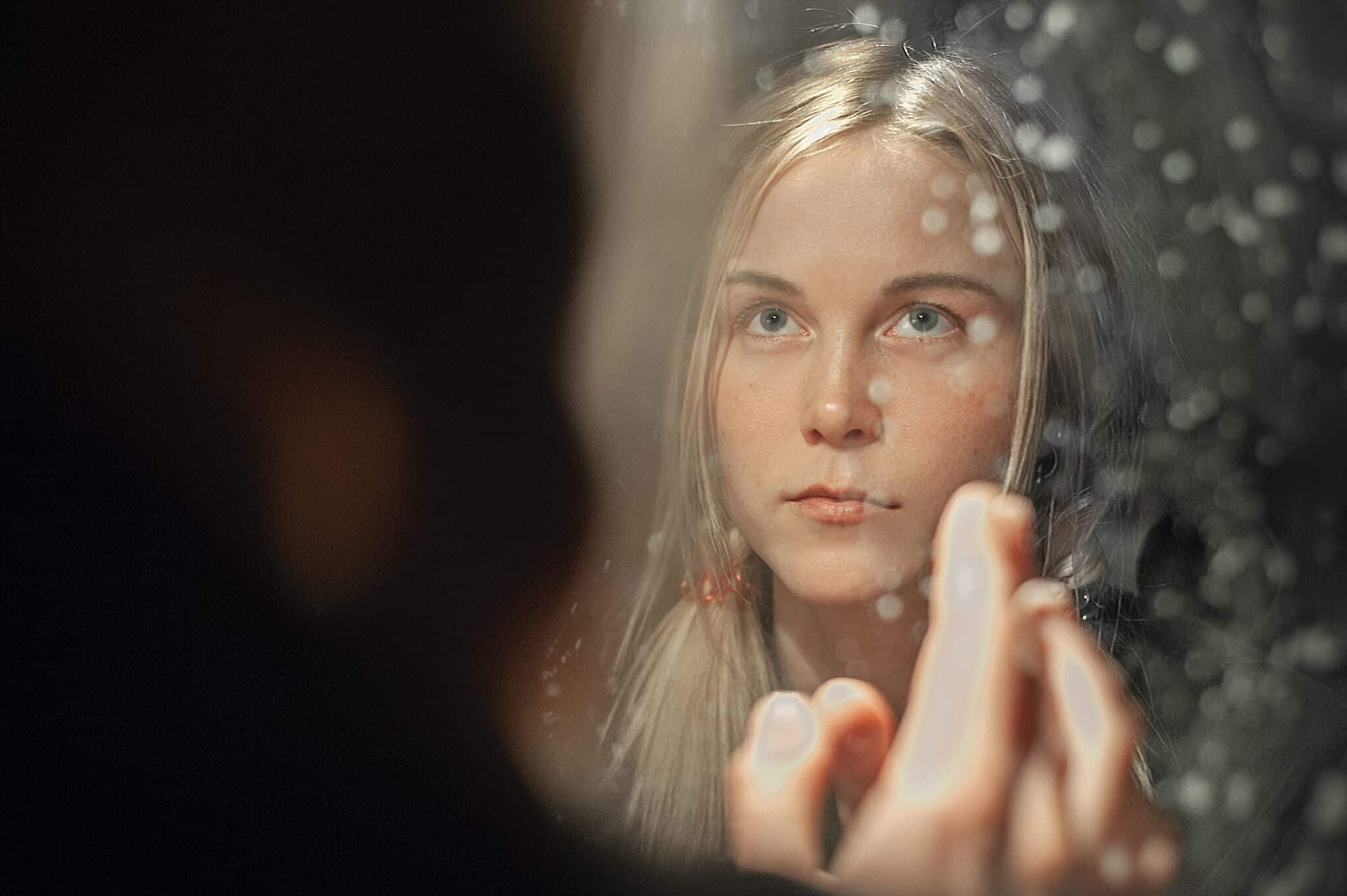
The skin on our face turns pale when we get sick. However, this paleness has nothing to do with the skin’s natural color, but rather with the color of the blood, according to a Greek expert.
Skin can come in many shades. It can be brownish or rosy, very dark, or almost white. Its shade depends on the genes that regulate the production of melanin, the body’s pigment. However, this color plays no role in the pallor we develop when we get sick.
«The healthy color of the skin is due to the color of the blood circulating in the vessels beneath the epidermis», says the Markos Michalakis, dermatologist and venereologist, by EDOEAP. «These blood vessels are the capillaries, which permeate the skin tissues. Depending on the color of the blood in them, the skin—especially on the face—takes on a healthy, rosy complexion, or becomes pale, or, fortunately more rarely, cyanotic.».
A pale complexion is immediately noticeable to others. A study published in 2018 showed that when a patient enters a room, a significant percentage of those around them can tell that they are not well, even if they are not coughing or showing any other obvious symptoms of illness.
The study was conducted by researchers at Karolinska University in Sweden. As the study showed, in 64% of the cases, we can distinguish the face of a healthy person from that of a patient.
Blood Cells
As Mr. Michalakis explains, the color of blood is determined by its cells. The most abundant cells in the blood are the red blood cells, which bind oxygen from the lungs to transport it throughout the body.
Red blood cells are rich in hemoglobin, a protein that contains iron. When iron is exposed to oxygen, it «rusts,» that is, it turns red. This also gives hemoglobin a bright red color, resulting in the red color of blood.
«When an abundance of red blood cells (which contain iron) flow through the capillaries and there is plenty of oxygen (that is, the person is healthy), the blood in the capillaries is bright red. This is what gives the facial skin its rosy-red hue,» says Mr. Michalakis. «However, if a person has reduced red blood cell flow in the dermal capillaries, then their skin turns pale.».
Where does pallor appear?
Although we usually associate paleness with the skin on the face, it can also appear on other parts of the body, such as:
- On the edge
- On the lips
- On the gums
- In the language
In fact, the generalized pallor It is more concerning because local facial fatigue is easily noticeable, even when a person is simply very tired.
But what conditions could be causing the reduced flow of red blood cells that leads to pallor? There are many conditions that could cause it, the specialist explains.
Dehydration and shock
A common cause is dehydration, which can be due, for example, to various infections such as the flu or even the one caused by the novel coronavirus. In the event of dehydration, the body reduces blood flow to non-vital organs (e.g., skin, extremities) in order to reserve more blood for vital organs (e.g., heart, brain, lungs). Dangerously low blood pressure (shock) triggers the same response.
Rotting
One of the most serious infections that causes pallor is sepsis (formerly known as septicemia). Sepsis occurs when bacteria enter the bloodstream, causing damage to red blood cells.
Anemia
Anemia can also lead to paleness, but through a different mechanism. In fact, it prevents the blood from having a sufficient number of healthy red blood cells, rather than impeding the flow of these cells. The most common type is iron-deficiency anemia, which is caused by a lack of iron. However, anemia can be caused by various factors ranging from an iron-deficient diet and bleeding (e.g., from unnoticed gastrointestinal bleeding or during menstruation) to cancer. For this reason, it is always investigated to determine the cause.
Vitamin B12 Deficiency
A vitamin B12 deficiency can also cause pale skin. This occurs when the gastrointestinal tract is unable to effectively absorb the vitamin from food. A deficiency of this vitamin leads to anemia.
Respiratory problems
However, there are cases where the red blood cell count is normal, but the body is not taking in enough oxygen. In such cases, the skin may initially turn pale but then darken or even take on an apparently blue tint (cyanosis).
«Respiratory problems can cause paleness because they prevent adequate oxygen intake»,« explains Mr. Michalakis. "These problems can be chronic (such as chronic respiratory failure) or acute (such as an asthma attack or a severe respiratory infection). When respiratory problems are severe, they can lead to a lack of oxygen, resulting in cyanosis.».
When Should You See a Doctor?
Breathing difficulties that are severe enough to cause pallor indicate that the patient is not getting enough oxygen. These types of difficulties are important to be assessed as a matter of urgency "from the doctor," the specialist warns.
Urgent evaluation It is also indicated when pallor occurs during an episode of bleeding or in an infant with a respiratory infection.
However, when pallor is the only visible symptom in a person, it can wait a day or two to see if it gets better. If the pallor does not subside or worsens, it should be evaluated by a doctor.
Finally, regarding pallor accompanied by certain other symptoms, it is advisable to Patients should contact their doctor immediately to tell them what to do. These symptoms include:
- A high fever in an adult, or a fever in an infant in general
- Swollen Lymph Nodes
- Swelling at the site of the injury
- Abdominal Pain
- A yellowish tint to the skin or eyes.