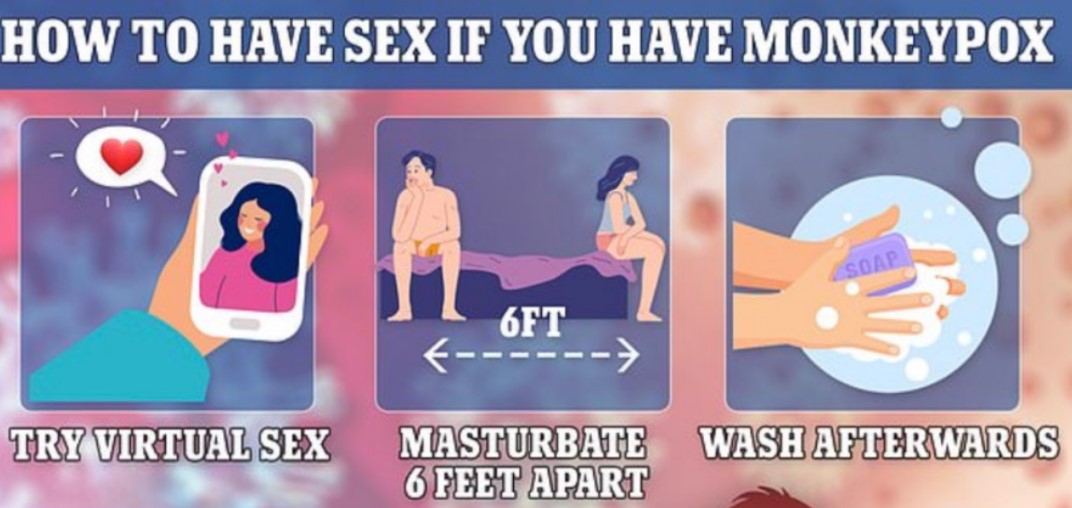
With the coronavirus, the two-metre distance came into our lives as one of the key measures that can limit the spread of the pandemic. Now, it looks like it's going to have to get into our beds, at least according to the odd instructions issued by the Centers for Disease Control and Prevention (CDC) in the USA for the monkeypox.
More specifically, the CDC's key recommendation is those with monkeypox should not have sex at all. If, however, couples persist in which one of them is ill or suspected of being ill, a number of guidelines are suggested, such as:
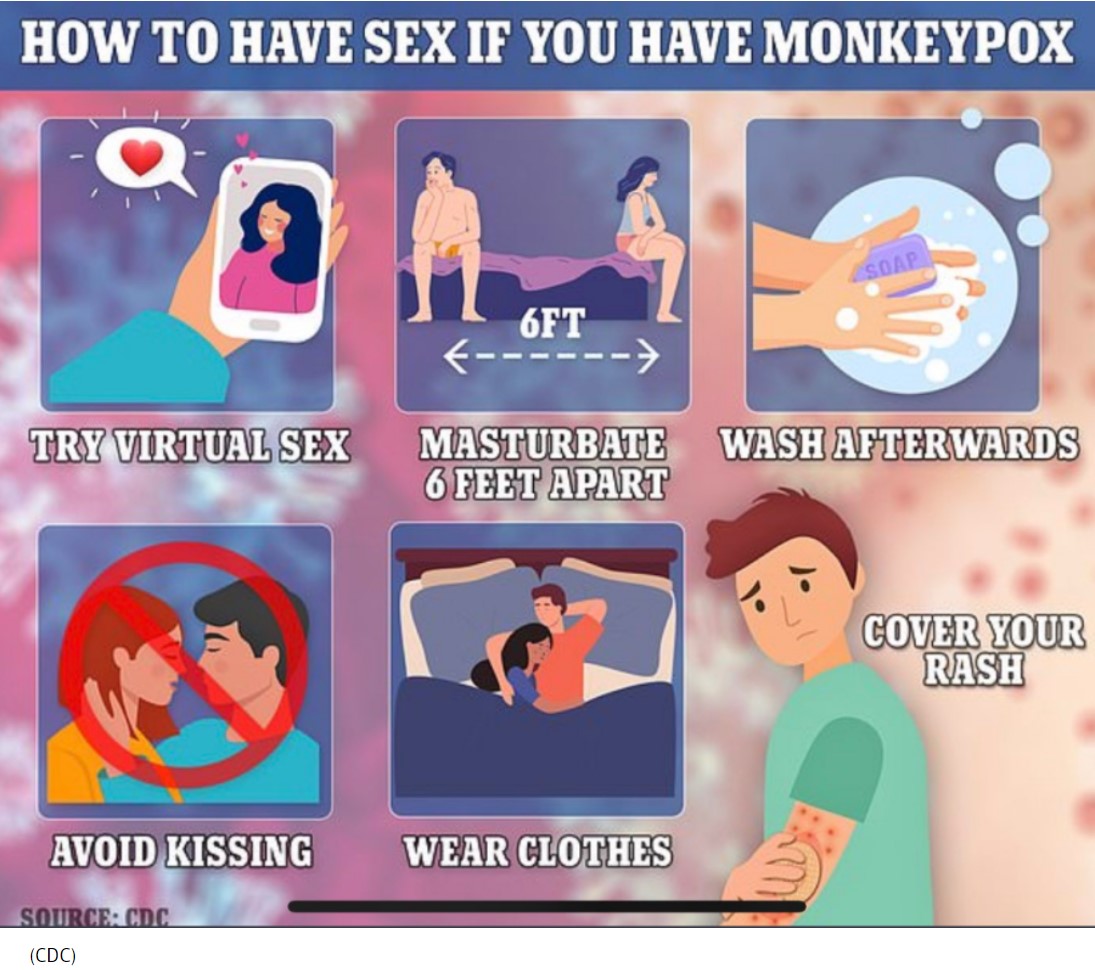
- Virtual sex without physical contact.
- Mutual self-satisfaction at a distance of 2 meters without touching each other.
- Sexual intercourse with clothing or by covering the areas where rashes occur.
- Avoidance of kissing.
- Washing hands, sex toys and all fabrics (bedding, towels, clothes) after sex.
- Limiting the number of people with whom one has sexual contact to avoid spread.
«Talk to your partner about any recent illness and take note of any new or unexplained sores or rashes on your or your partner's body, including the genitals and anus. If you or your partner have recently been sick, are currently feeling sick, or have a new or unexplained rash or sores, do not have sex and see a health care provider. This is always a good plan, even if monkeypox is not in your area,» the CDC guidance states.
It should be noted, however, that so far there has been no evidence of transmission of monkeypox through sexual intercourse per se, i.e. through semen, vaginal secretions or other bodily fluids, as is the case with sexually transmitted diseases such as HIV.
According to EODY, the disease does not affect specific social groups, but can affect everyone, so there should be no stigmatisation of citizens or behaviour.
As highlighted in the detailed guidance issued by the Hellenic Health Organisation, monkeypox is transmitted through close contact with infected individuals, their clothing, their bed linen or their body fluids. The virus enters the body:
- through skin lesions (visible or invisible) of the mucous membranes (eyes, nose, mouth)
- through the respiratory tract (coughing, sneezing, prolonged face-to-face contact)
- from a bite or scratch from an infected animal (mainly rodents)
- less commonly by eating an infected animal that has not been adequately cooked or by contact with the skin or hair of an infected animal.
The Symptoms occur 5 to 21 days after someone becomes infected and include fever, headache, myalgia, backache, lymphadenopathy, chills and exhaustion. Usually, a characteristic rash 1 to 3 days after the onset of fever.
Usually the course of the disease is mild and most patients make a full recovery in 2 to 4 weeks.