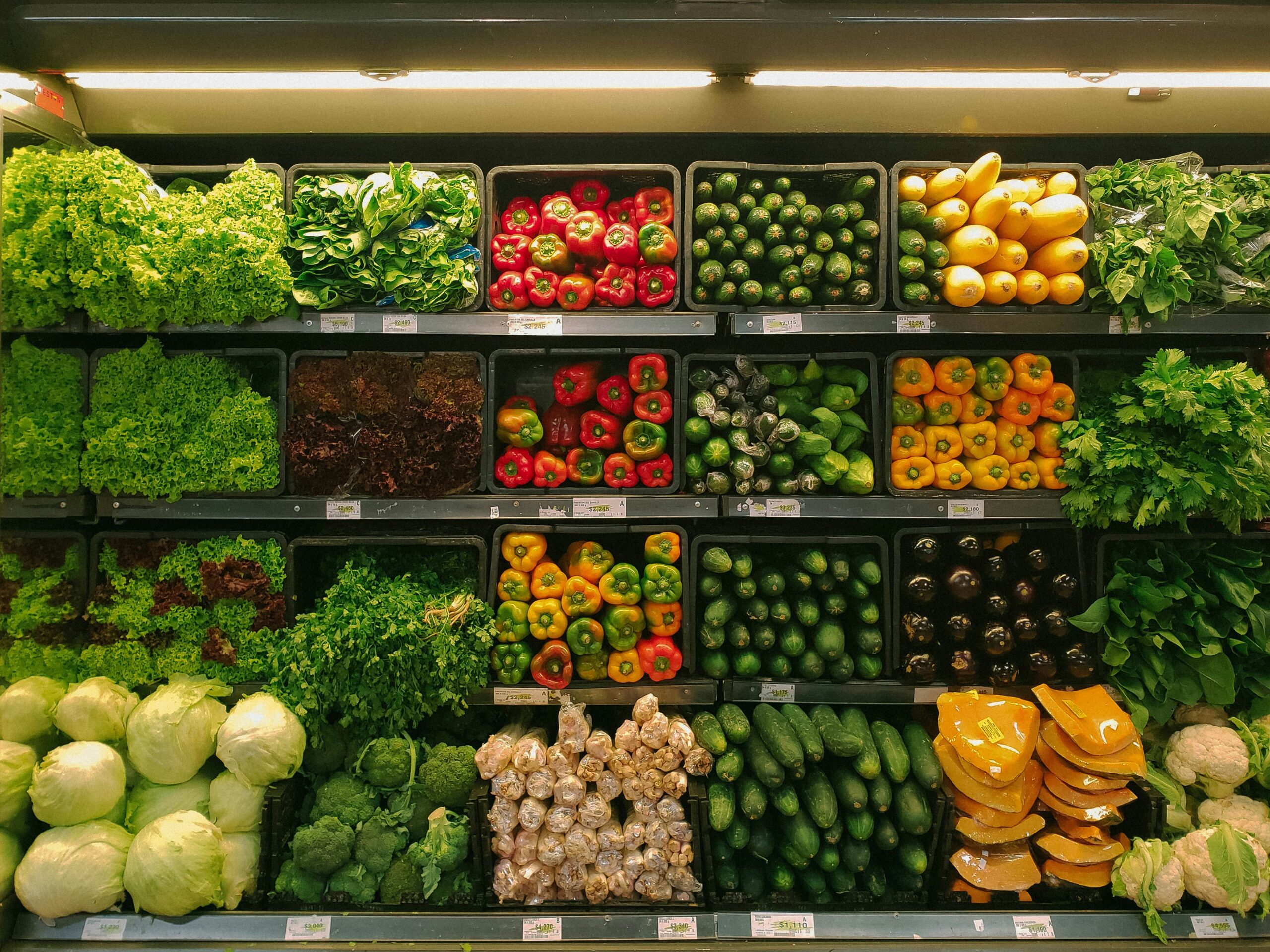
Fresh fruit and vegetable imports in January 2024 increased by 31,361 tonnes, according to data from INCOFRUIT-HELLAS, the Association of Greek Fruit and Vegetable Exporters, reaching 47,070 tonnes compared to 35,832 tonnes in the same month of 2023.
The biggest changes, in terms of quantities, are found in potatoes, bananas and onions.
In particular, 15,110 tonnes of potatoes were imported last month compared to January 2023 (12,119 tonnes - 24.68%), coming from Egypt, Cyprus and France.
As for bananas, imports amounted to 19,551 tonnes compared to 17,099 tonnes in January last year (+14.341 tonnes per tonne), mainly coming from Ecuador, Costa Rica and Guatemala.
Regarding onion imports, these reached 2,238 tonnes against 823 in January 2023 (170.9%), coming from Egypt, India and Austria.
According to the Association's data, Community imports in 2023, based on Eurostat, are estimated by third countries to have increased by +32.9% in volume compared to 2022, reaching 16.289 million tonnes, with those of intra-Community trade decreasing by -5.5% to 28.112 million tonnes.
The main third country suppliers are, in order, Costa Rica, Ecuador, Egypt, South Africa, Morocco, etc.
According to what he told the Athens-Macedonian News Agency the Special Advisor of the Association, George Polychronakis «the increased EU imports from third countries are due to the existing divergence in labour, social and environmental issues between Community and non-Community producers, which causes a continuous growth of imports both in the EU market and in the Greek market».
At the same time, it calls for a «freeze» in the negotiations «agreements such as MERCOSUR, the non-ratification of the agreement with New Zealand and the «freeze» of negotiations with Chile, Kenya, Mexico, India and Australia».
It proposes that the EU should «adopt the principle that trade agreements discussed in the future should incorporate mirror clauses, in application of the principle of reciprocity to avoid unfair competition«.
Finally, as he tells AP-MPA, fruits and vegetables entering the European territory from third countries should meet the same quality standards required for EU producers (farmers and livestock farmers), with equal working conditions and the same use of pesticides, as well as the Greek control authorities should carry out strict controls for compliance with commercial quality standards and the absence of pesticide residues in imported products in the Greek market, while ensuring their non-Greekization».