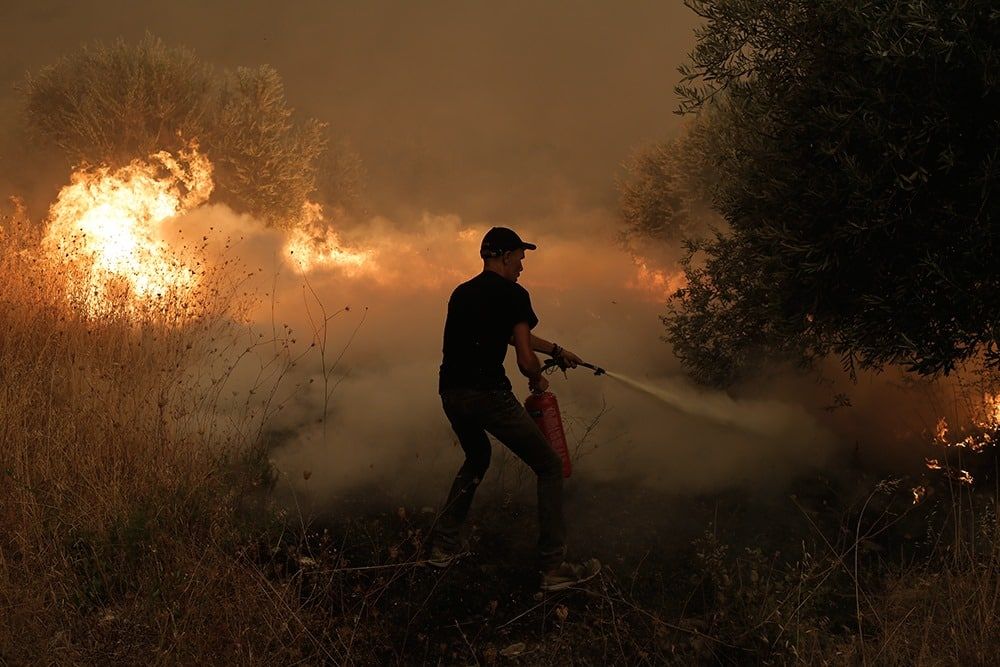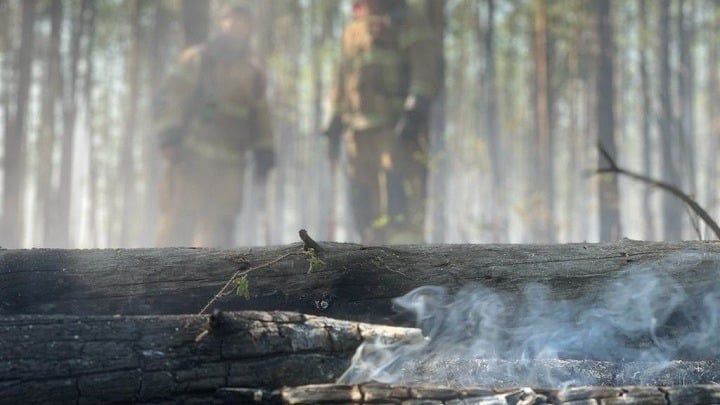
The wildfires ravaging Siberia continued to intensify today, according to authorities, and are so extensive that their smoke has reached the North Pole, according to NASA.
Although it is difficult to link a specific fire to climate change, climate change does make such disasters more likely and more severe, and Russian scientists report that the fires currently burning are indeed a consequence of the global rise in temperatures.
One of the regions hardest hit is Yakutia, a vast and sparsely populated region in northern Siberia, where the situation «continues to worsen, with a trend toward an increase in the number and extent of forest fires,» the Russian meteorological service Rosguidromet reported today on its website.
According to this agency, more than 34 million stremmata of forest are currently burning there, including in areas «that are remote and difficult to access.’ »A thick layer of smoke is spreading across vast areas,« Rosguidromet added.
The U.S. space agency, NASA, stated in a press release on Saturday that the smoke caused by the fires in Yakutia had «traveled more than 3,000 kilometers to reach the North Pole, which appears to be the first time this has happened in recorded history.».
According to NASA, «thick smoke from the fires had blanketed most of Russia on August 6,» as shown in satellite images.
During a visit to Yakutia in late July, firefighters and local authorities told Agence France-Presse that they were short on personnel, equipment, and other resources needed to tackle the scale of the fires.
Environmentalists, for their part, blame Russian policy on combating forest fires, and in particular a 2015 government decree that allows local authorities to ignore fires if the cost of extinguishing them exceeds the estimated damage they will cause.
According to Alexei Yaroshenko, a Greenpeace expert in Russia, the fires have already destroyed 149.6 million stremmas in the country since January 1, making this the worst year since 2012.