Health Minister Thanos Plevris emphasized in an interview today that the new measures to curb the pandemic, which will take effect tomorrow, are primarily aimed at protecting the unvaccinated, while regarding churches and the criticism leveled at the lack of a testing requirement for worshippers, he said that it would be practically impossible to require places of worship to conduct such testing and that it is not possible to prevent the faithful from practicing their religious duties, as provided for by the Constitution.
Considerations regarding making the third dose mandatory for the vaccination certificate
Referring to the third dose of the vaccine, he emphasized that all scientific data indicate that six months after the second dose, immunity in the body has dropped to very low levels, and the person is essentially unvaccinated. In fact, he cited as an example that the few deaths recorded among the unvaccinated mainly involve patients who had been vaccinated six months earlier.
He revealed that a discussion has already begun at the European level, to make the third dose of the vaccine mandatory six months after the second dose, so that the vaccination certificate remains valid.
The Minister of Health, speaking on ANT1, assured viewers that the testing centers currently in operation can meet all existing needs, and that a sufficient supply of vaccines has been secured, so that if everyone who is eligible requests their third dose of the vaccine tomorrow, they will be served immediately.
Children up to age 18 will be allowed to enter mixed-use spaces after taking a self-test
The minister, returning to the topic of the measures that will take effect tomorrow, emphasized that, especially in restaurants and bars—where the rules appear to be being circumvented— inspections will be exhaustive, warning that those who break the law will regret it.
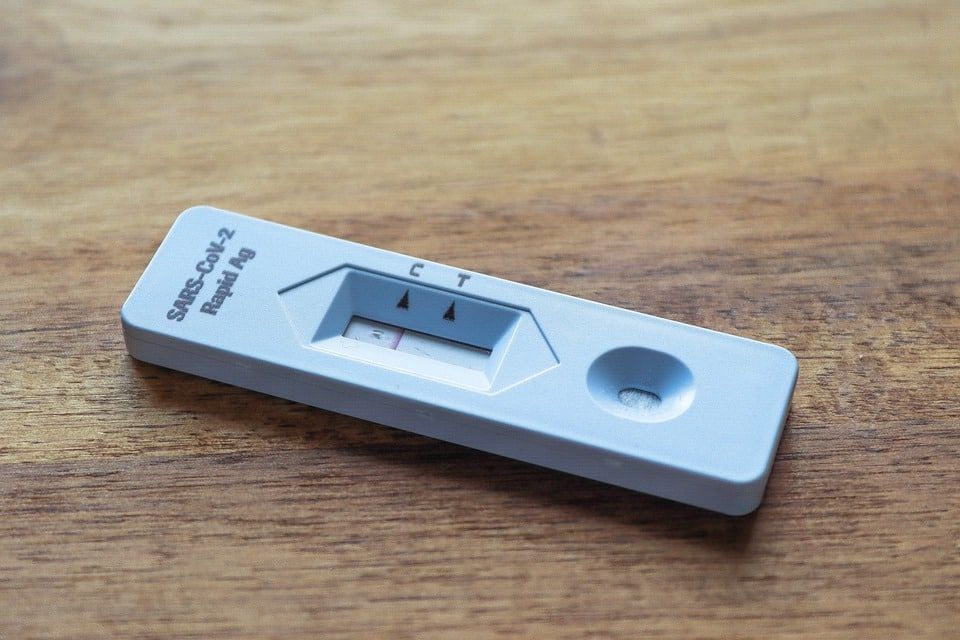
The new detail revealed by the Minister of Health is that the Joint Ministerial Decision to be issued today regarding the new measures will stipulate that children up to 18 years of age will be allowed to enter venues that have been open to both men and women until now, provided they present a self-test result rather than a molecular or rapid test result.
When asked about the issue of unvaccinated healthcare workers, he made it clear that the government’s decision to suspend them will not change and that those who have been suspended so far have been replaced.
He added, however, that there is not an unlimited number of doctors, and especially in certain specialties—such as anesthesiology—there is a shortage; for this reason, even if more ICUs need to be established, they will operate with the staff currently available.
As Mr. Plevris said, even more incentives will be offered to private doctors to bolster the public health system where there are shortages, and if there is no response, then the government will proceed with conscription.
How will treatment with monoclonal antibodies be administered?
As for monoclonal antibodies, the first approval from the EMA is expected by November 15, and our country has already ordered 2,000 treatment courses, while for the pill approved yesterday in the UK for use in the early stages of the disease, we have ordered 10,000 treatments.
He explained that the vaccines will be administered based on the recommendation of a committee to be established, and will be given on a priority basis to immunocompromised individuals and vulnerable groups.