The new Special Spatial Planning Framework for Renewable Energy Sources takes effect today, with the aim of establishing clear and uniform rules for the siting of new renewable energy projects and storage facilities throughout the country. The new framework introduces stricter restrictions and expanded exclusion zones, with a particular emphasis on protecting natural and cultural heritage, the landscape, and local communities, while also creating a more modern and coherent framework for the country’s energy transition through 2050.
More specifically, as stated in a related announcement, pursuant to the Ministerial Decision issued by the Minister of Environment and Energy, Stavros Papastavrou and the Deputy Ministers, Nikos Tsafos and Marilena Soukouli, which takes effect today, the new Special Spatial Framework for Renewable Energy Sources (SPF-RES) clearly defines the terms and conditions for the siting of new RES projects and storage facilities, with additional safeguards to protect the environment, local communities, and cultural heritage.
The National Spatial Plan for Renewable Energy Sources is being developed in parallel with the Special Spatial Frameworks for Tourism and Industry, thereby creating, for the first time, a coherent and comprehensive spatial planning model in our country.
The final version of the framework was developed following a broad public consultation involving institutional and civil society organizations, representatives of the scientific community, and
the business community and citizens. At the same time, the National Council for Spatial Planning and the Central Council for Spatial Planning Issues and Disputes (KESYCHOTHA) presented their respective opinions.
The New Special Spatial Framework for Renewable Energy Sources
The Special Spatial Planning Framework for Renewable Energy Sources, adopted in December 2008, served as the basis for the sector’s development. The new framework modernizes siting rules, establishing stricter and clearer criteria, restrictions, and guidelines for the installation of new renewable energy power plants and storage facilities.
The regulations take into account current environmental, social, and economic conditions and are designed with a long-term perspective aimed at achieving the country’s energy goals by 2050.
A. Photovoltaic Power Plants
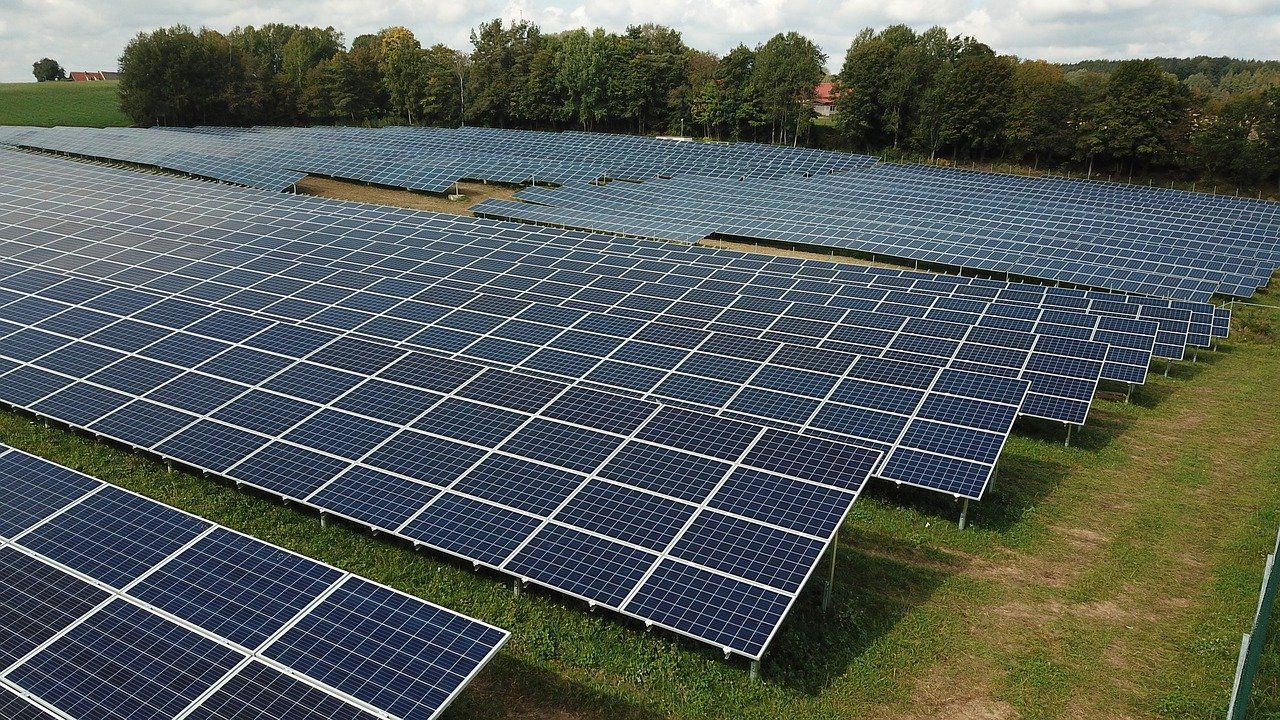
The Renewable Energy Source (RES) Plan establishes uniform and strict protection rules for the installation of photovoltaic systems throughout the country. More specifically, for new photovoltaic power plants, a strict exclusion regime is established for areas that are environmentally, culturally, and spatially sensitive. Specifically, their installation is not permitted, among other places:
* in all protected areas of the NATURA 2000 network,
* in forests and forested areas,
* in Ramsar wetlands and small island wetlands,
* in national parks, designated natural monuments, and scenic forests,
* in Areas of Outstanding Natural Beauty,
* in cultural heritage protection areas,
* in areas with protected terraces,
* in Areas Without Roads and
* at swimming beaches.
At the same time, the new National Energy and Climate Plan (NECP) establishes a nationwide cap on the amount of land covered by new photovoltaic installations, in order to protect the landscape, agricultural land, and the balance of local land uses. Specifically, the maximum land coverage percentage by new photovoltaic stations per Regional Unit is set at 1.5% of the total area.
Significant improvements following the public consultation
1. New «restricted areas» are added, such as: historic sites, ancient monuments—whether designated or automatically protected—as well as designated monuments
After 1830, areas with water sources for human consumption. Specifically for floating photovoltaic systems: diving parks, recent shipwrecks, anchorage areas, and artificial underwater attractions.
2. Additional siting criteria are established: For installations in marine areas and within lakes, fishing grounds are taken into account and the necessary safety distances are maintained. In areas vulnerable to natural phenomena, appropriate measures shall be taken to ensure the safe installation and operation of the projects.
B. Wind Farms
The new National Energy and Climate Plan (NECP) establishes clear exclusion zones for the siting of wind farms, so that the development of wind energy can proceed in an orderly and balanced manner, while ensuring effective protection for the environment, the landscape, and local communities.
Specifically, among other things, the installation of wind farms is not permitted
* in Attica and the Thessaloniki Metropolitan Area,
* in areas at an elevation of more than 1,200 meters,
* in Ramsar wetlands and small island wetlands,
* in Areas of Outstanding Natural Beauty and in the core zones of national parks, as well as
* in specific nature conservation areas.
Restrictions are also being introduced
* for islands with an area of less than 300 square kilometers, with specific exceptions for critical or public-interest infrastructure or for system security reasons,
* for areas outside the zoning plan where tourism and recreational uses are planned,
* for sections of active quarrying, mining, and extraction zones,
* for Areas Without Roads and
* for swimming beaches.
In the Special Protection Areas of the NATURA 2000 network, which are designated for the protection of birdlife, the installation of wind farms is permitted only in exceptional cases and provided that it is explicitly stipulated in the approved Special Environmental Study and the wind speed exceeds 7.5 m/s.
Significant improvements following the public consultation:
1. The installation of new wind farms is prohibited in areas classified as Categories A and B under the new National Tourism Plan.
2. The exclusion zones are expanded to include: historical sites, ancient monuments—whether designated or automatically protected—as well as designated monuments dating from after 1830, areas with water sources for human consumption, and unspoiled beaches.
3. More specific rules are established for island areas: For the installation of wind farms on islands, a special landscape study is required as part of the environmental permitting process, which will examine the size of the wind farm, the character of the landscape, and the impact on views. For mountainous areas in island regions, a case-by-case assessment is required, based on the specific morphological, ecological, and local characteristics of each site. In island areas, the maximum permitted percentage of land coverage by wind farms remains at 4% of the total area per Municipal Unit.
4. Provision is made for a special mechanism to harness localized high wind potential in areas with low average wind speeds.
In municipal districts where the average wind speed is less than 4 m/s, the installation of wind farms may be permitted on an exceptional basis, provided that wind potential exceeding 7.5 m/s is documented at that specific location.
To implement this provision, the following is required:
* a certified measurement of wind potential, which is submitted to the RAEY,
* Wind farms must not exceed 1% of the Municipal Unit’s carrying capacity,
* All other horizontal restrictions of the framework must be complied with, including those relating to elevation, island size, and the other categories of exclusion zones.
C. Other Renewable Energy Technologies
The new Special Spatial Planning Framework also establishes a more modern and comprehensive framework for other renewable energy technologies, such as biogas, biomethane, biomass, geothermal energy, and small hydropower projects, updating the terms and guidelines for their development.
Under the new framework, the country gains a comprehensive plan that combines energy security, sustainable development, and the protection of Greece’s natural and cultural heritage—which are not conflicting goals, but two sides of the same national strategy.
Minister Stavros Papastavrou stated: «Greece has a significant advantage: the sun and the wind. Harnessing them for energy production is a strategic choice for our country. However, it requires planning, regulations, and respect for the landscape and the environment. The new Special Spatial Framework for Renewable Energy Sources serves precisely this balance. We clearly define the areas where renewable energy projects can be developed, as well as those that must be protected. We combine the development of renewable energy with the protection of the environment and local communities. In a challenging international climate, with particular challenges ranging from conflicts that drive up prices to the consequences of the climate crisis, we are investing in a sustainable energy transition based on clear rules. Our goal is to generate more Greek energy from the sun and wind, strengthening our energy independence and ensuring more affordable prices for households and businesses. At the same time, we are ruling out the installation of renewable energy facilities in areas of Attica and the Thessaloniki metropolitan area that were affected by the wildfires, thereby definitively refuting the relevant claims. This is the essence of the new Special Spatial Planning Framework: planned development, substantive environmental protection, and clear rules for everyone.».
Deputy Minister Nikos Tsafos stated: «Renewable energy sources are already an integral part of our energy system—they are lowering prices in a challenging global environment and have turned us into net exporters of electricity. The new RES Action Plan is therefore a significant milestone, as it allows us to continue harnessing the sun and the wind, but under stricter rules that are necessary for environmental protection and social consensus. It thus lays the foundation for the country’s energy transition, with increased domestic production and lower prices for consumers.».