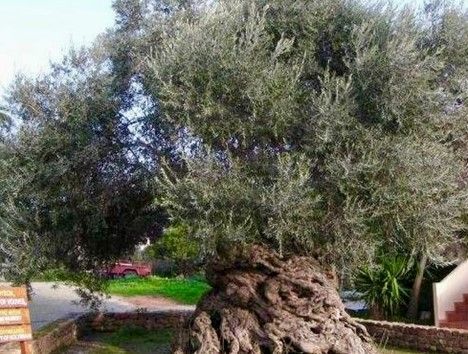
Producers can fall into the wrong techniques during the olive harvesting period, following «myths» that have been passed down over the years by word of mouth.
These mistakes, which are usually made by non-professionals, can affect both the quality of the olives and the health and productivity of the olive trees in the coming year.
1st mistake
Cutting down the olive-laden branches so that they are passed directly through the picking machine on the ground, which separates olives from leaves and broken shoots. This technique is the worst thing one can do to an olive tree. When the tree is injured or a part of it is cut off, it immediately starts the process of restoration.
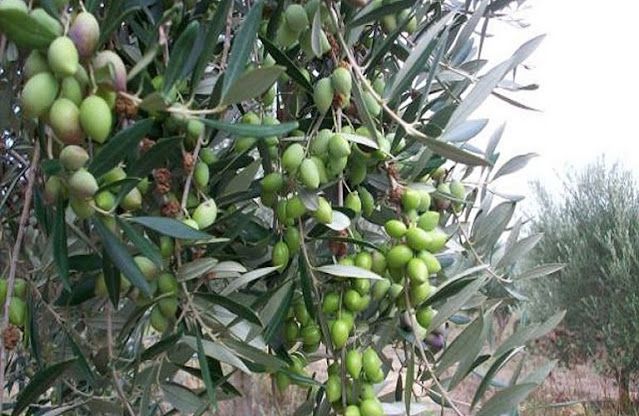
It takes patience for the fruit to come down from an overloaded branch, and killing it to get the fruit is not the solution, as we are removing valuable plant tissue and creating long-term problems for the physiology of the tree.
2nd mistake
The perception: «As long as the fruit remains on the tree, its oil content increases».
We often hear many producers say that harvesting should be done «the later the better». Harvesting later than normal in no way increases the quantity of olive oil, but in fact has a direct impact on quality.
In fact, with the lower temperatures and sunshine of autumn and winter, the oil content of the fruit reaches an early «ceiling» and stops increasing from a certain point onwards, and then the fruit starts to lose moisture.
This delay therefore results in a reduction in the concentration of substances of the highest importance, such as aldehydes and phenolic compounds, which are among the quality criteria of the product produced. This reduction has a direct impact on both the organoleptic characteristics of olive oil and its nutritional value. The negative impact on quality also includes an increase in the acidity levels of olive oil.
Also, the prolonged retention of fruit on the tree is expected to reduce the next year's flowering.
3rd mistake
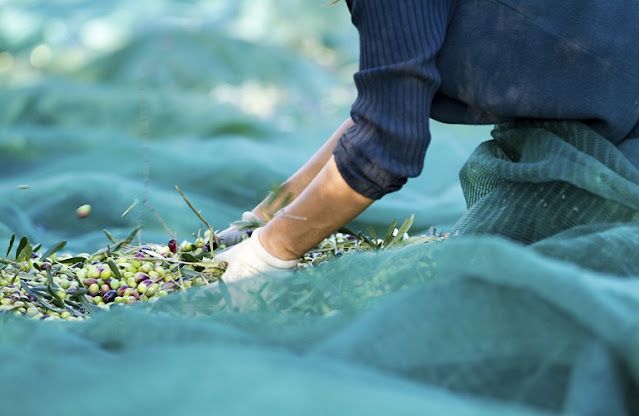
Collection of fruit in plastic or jute bags
Plastic or jute sacks were (and still are) the most widespread and widely used way of collecting the olives from the field to be taken to the mill.
Bags, especially plastic ones, prevent ventilation of the fruit and lead to an increase in the temperature of the fruit transported in them. At the same time, their size and the way they are stacked cause the fruit to be compressed, leading to injury to the olives and losses.
4th error
It takes a long time from the harvesting of the fruit to its transport to the mill and oiling.
With the harvesting of the fruits, time starts to count down for the producer.
If a (long) period of time elapses between harvesting and oiling, microbial fermentation begins, and there is a risk of fungal growth, increased acidity, reduced phenols and deterioration of the fruit's organoleptic characteristics.
Using as an example even a fairly resistant variety to post-harvest handling such as Koroneiki, it is evident that as the temperature and storage time of the fruit increases, the acidity increases and the polyphenols it contains decrease dramatically.