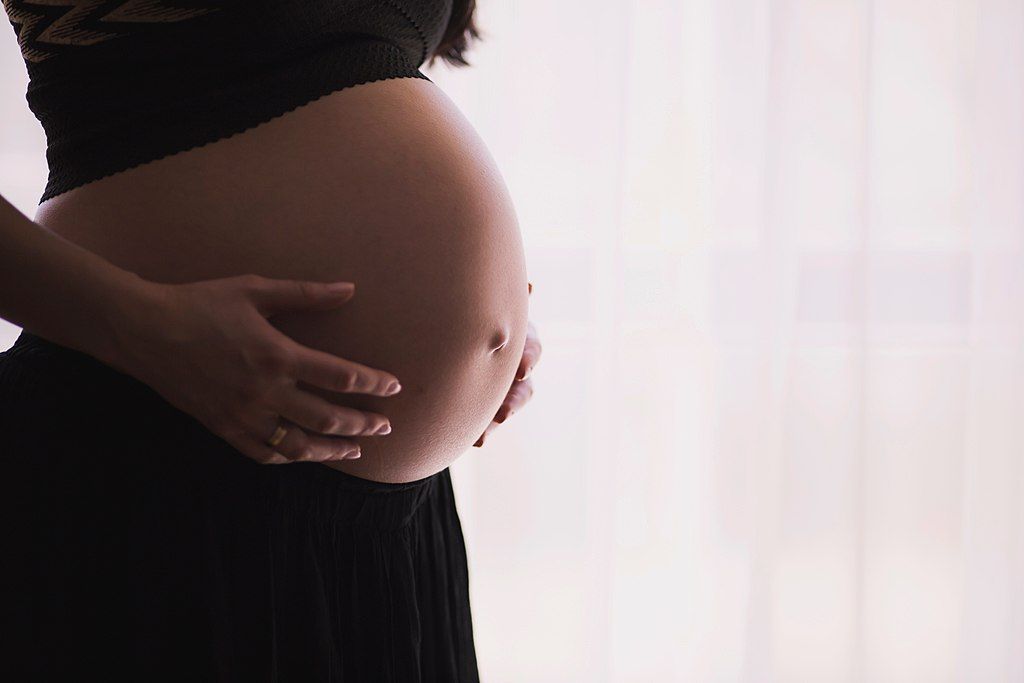
The births in Italy in December, exactly nine months after the start of the first lockdown in the country and the first Europe-wide, decreased by 21,6%, according to data from a sample of 15 Italian cities released today by the country's statistical office ISTAT.
And that's not the only impact. Marriages also fell by 50% plus in the first ten months of last year, something that the head of ISTAT, Giancarlo Blancardo identified an additional factor of a possible decline in births in the near future.
The demographers for the coronavirus
Demographic experts predict a decline in births across Europe from 2021, as the impact of last year's lockdown. A poll conducted in five European countries during the lockdown in March and April showed that many people postponed their plans to have a child. The Germans and French were the most likely to respond that they would delay having a child, while Italians were the most likely to abandon the idea altogether.
Last year, the Britain recorded a record decline in the importation of baby strollers, which fell to its lowest level since records began being kept in 2000.
Although the picture is not yet complete, the German statistical office announced that 2020 was probably the first year, since 2011, in which the population did not increase, both because of the decline in births and because, because of COVID-19, fewer people migrated. However, there are signs that some people who had postponed their plans to have a child in 2020 have finally changed their minds.
Sales of pregnancy tests and vitamins taken by a pregnant woman in Germany have increased in recent months, according to a poll conducted by the pharmaceutical news service Pharmacy Adhoc. The greater the economic fears, the greater the impact on the birth rate, says Martin Butzard, the deputy director of the Federal Institute for Population Research in Germany.
Therefore, in countries where the welfare state minimises the economic impact, such as Germany, the negative effects may be smaller.