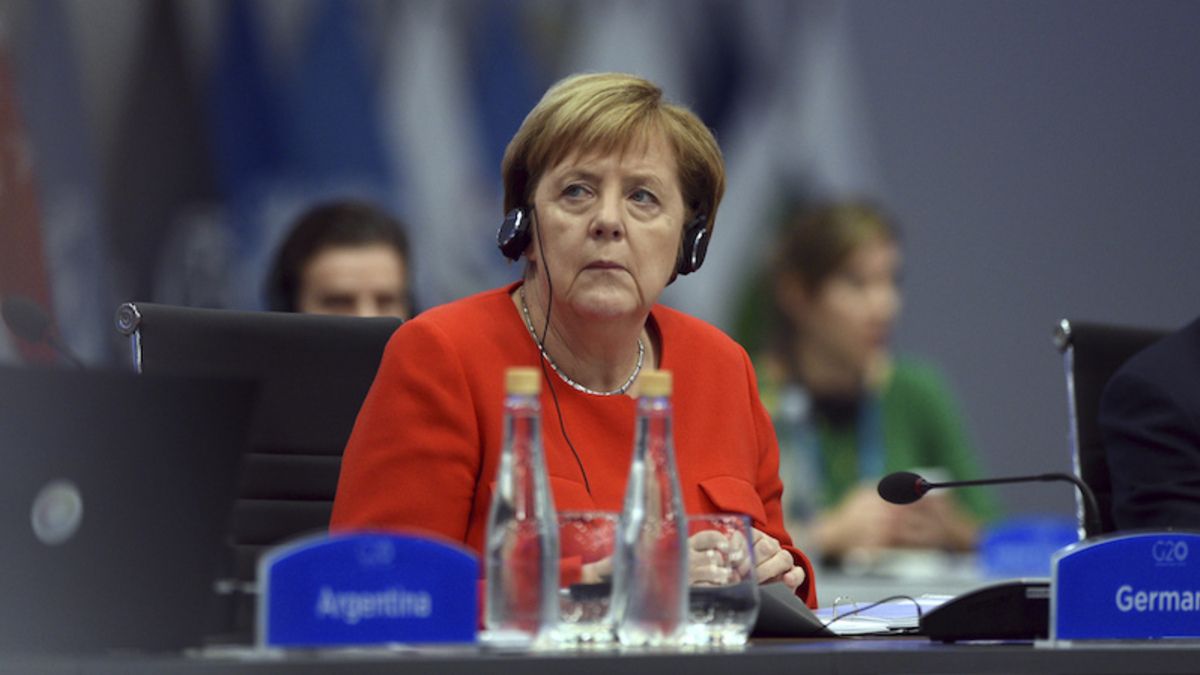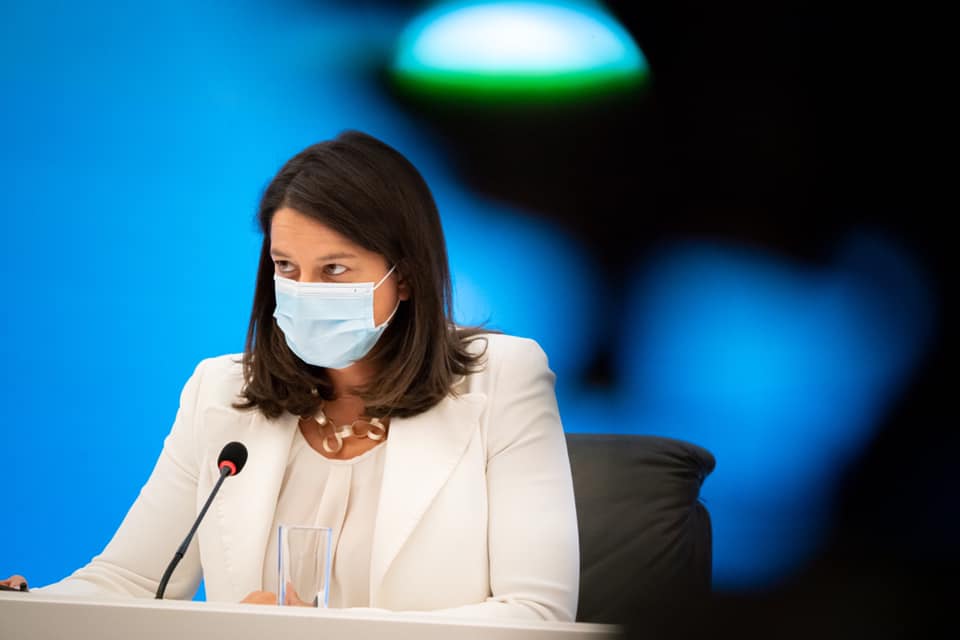
«The proposal by the Minister of Education and Religious Affairs was described as »exciting,”, Nikis Kerameos, from her German counterpart, ‘Ania Karliczek, moderator of the online conference of education ministers from the member states of the European Union (EU), held under the German Presidency of the I.E...
As the ministry reported, Ms. Kerameos proposed organizing a pan-European online student conference, so that students from all over Europe could exchange experiences and ideas regarding education during the coronavirus pandemic, as well as to submit proposals to the relevant ministers.
More broadly, the discussion focused on strategic priorities related to the European Education Area, as well as the importance of protecting freedom of expression in Europe.
«It is always important to give children a voice and to listen to their opinions; after all, they are the beneficiaries of all our efforts to provide an education that will equip them with more and better tools for the future,» said Ms. Kerameos.
The minister focused on two priorities of the Union aimed at creating a single European Education Area: first, the quality of education, and second, the teaching staff.
Regarding the quality of education provided, Ms. Kerameos emphasized the importance of strengthening knowledge and skills as part of efforts to improve the education system (through various initiatives and actions by member states, such as Skills Labs), as well as revising curricula in this direction.
With regard to teaching staff, the minister highlighted the crucial role they play in the transformation of education, with particular reference to their decisive contribution during the pandemic. She noted the ongoing need for training in new teaching methods and the emphasis placed by the ministry and the Institute of Education Policy, in developing their skills through a major initiative that includes, among other things, the establishment of a comprehensive information system for the professional development of our teachers and a total investment of 16 million euros in training for basic literacy skills, distance learning, and new curricula, as well as an additional 23 million euros (2020–25) for training aimed at enhancing digital skills.