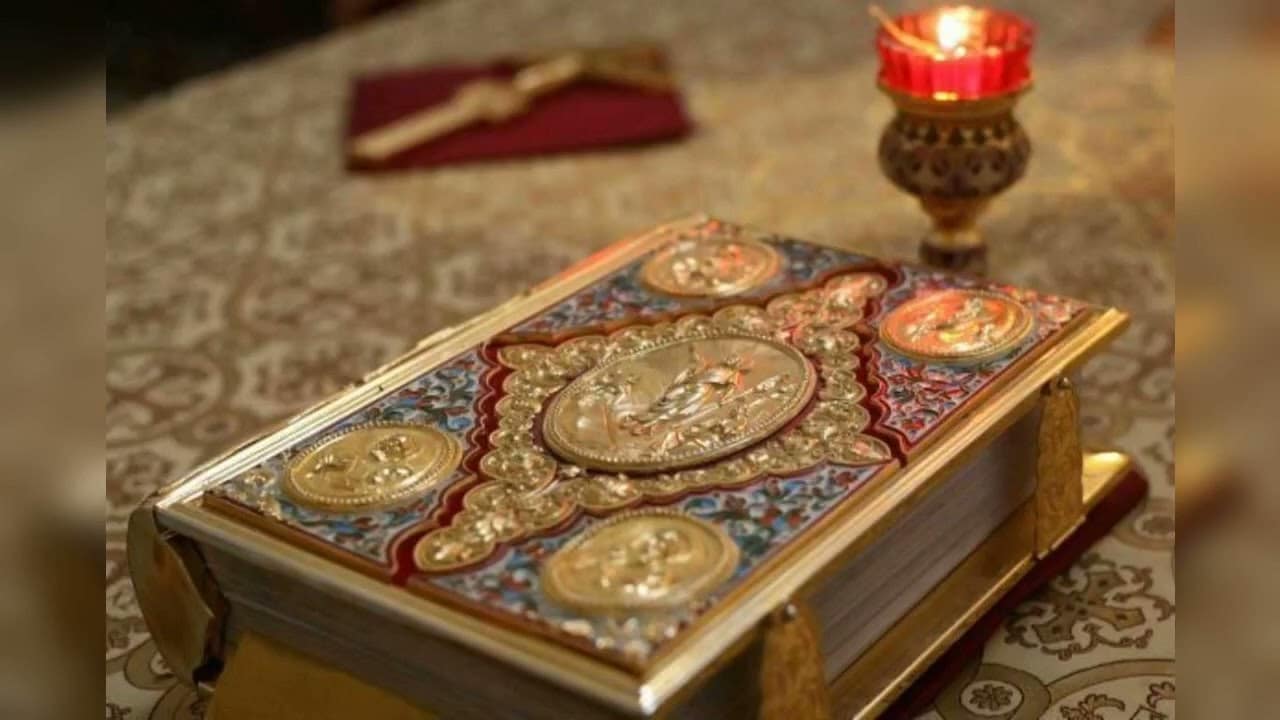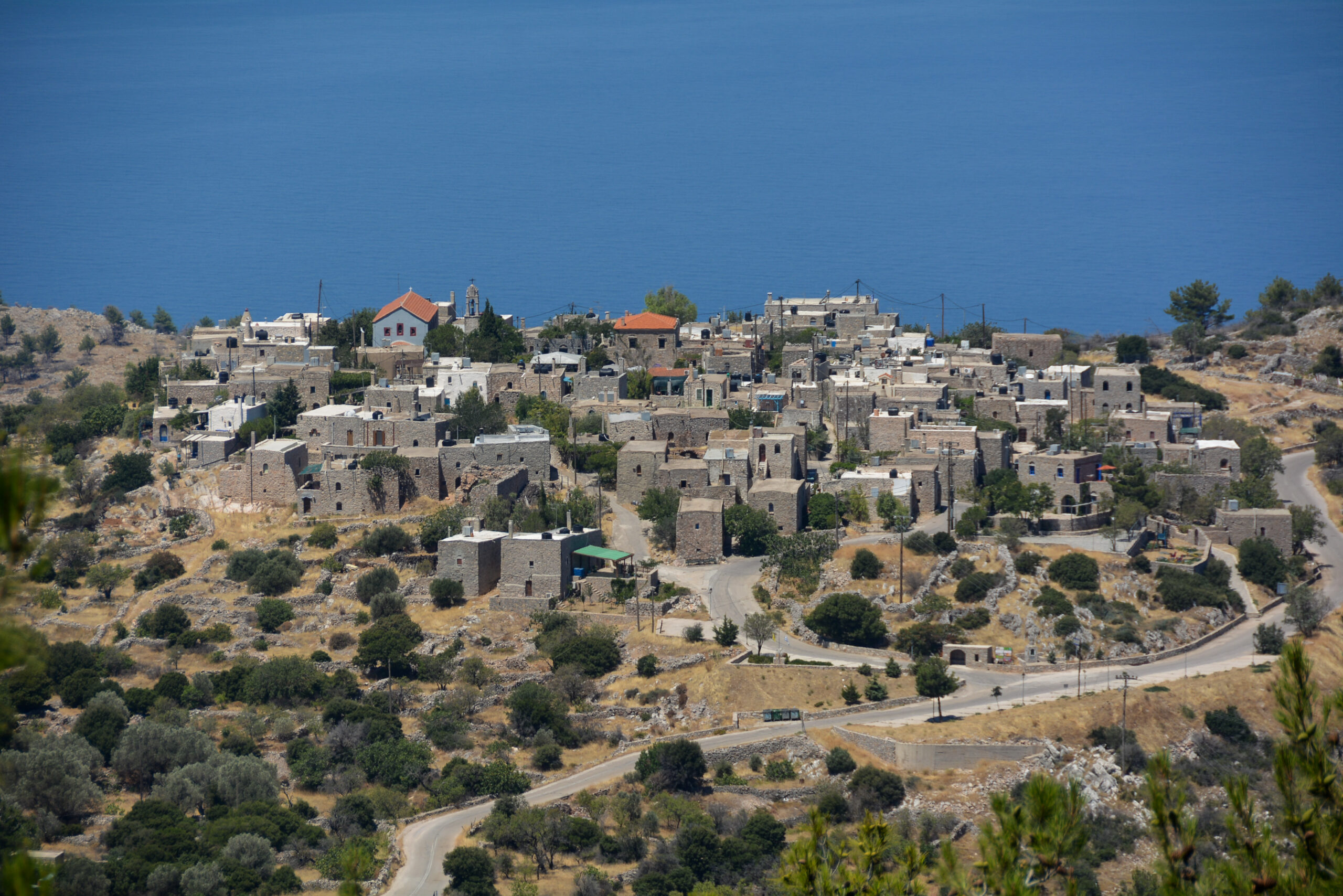
The bell of the Church of the Virgin Mary, the Presentation of the Virgin Mary, in the medieval town of Anavatos on Chios rings today, Saturday, November 12, for the first time in many decades. This marks the completion by the Chios Ephorate of Antiquities of the restoration of the church and the enhancement of the ancient fortified settlement carved into the rock, this unique monument—which, not coincidentally, has been dubbed the «Mystras of the Aegean.».
The Church of the Virgin Mary was built in several phases during the early years of the Ottoman occupation within the fortified settlement—the acropolis of the entire Anavatos area. According to Olga Vassi, head of the Ephorate of Antiquities, was first built during the Genoese rule of the island and was walled off to protect its inhabitants from the pirates of the time, first by the Catalans in the 14th century and later by the Turks in the 15th century. «That is why,» adds Ms. Vassi, «there are no old coastal settlements on Chios. Everyone had moved inland out of fear of the pirates.».
The Church of the Virgin Mary occupies the upper floor of a building constructed using the corbel method, whose masonry is integrated into the wall of the fortified settlement. The other two floors, the ground floor and the first floor, house the olive press («liotrouveio» in the local dialect of the time) and the school. The Acropolis as a whole was abandoned after the great earthquake of 1881. At that time, its residents left the walls and settled in the other two sections of Anavatos: the Old Village (or Mesochori) and the New Village. In the latter, they built their new church in 1882, the Church of the Archangel, transferring there the old icon of the Archangel, their patron saint, from the double-aisled basilica of the «Old Archangel,» which itself had been moved from the wider area of the Acropolis.
It should be noted here that Anavatos had also been abandoned during the great massacre of Chios in 1822. However, it was repopulated by 72 families in 1866, according to sources, «and findings from the excavations that were carried out, including Ottoman coins, coins from the modern Greek state, and pottery imported even from European countries,» adds Olga Vassi, head of the Ephorate of Antiquities.
Anavatos was built during the Genoese rule but is a Late Byzantine settlement. Visitors can see the section within the castle that has been designated a historic monument by the Ministry of Culture since 1962 and is wholly owned by the Greek government. The remaining sections are also protected—even though the buildings are privately owned—since the designation of the archaeological site applies to the entire complex.
Just outside the village stands the cemetery church of Saint George, which features 16th-century frescoes.
by S. Balaska