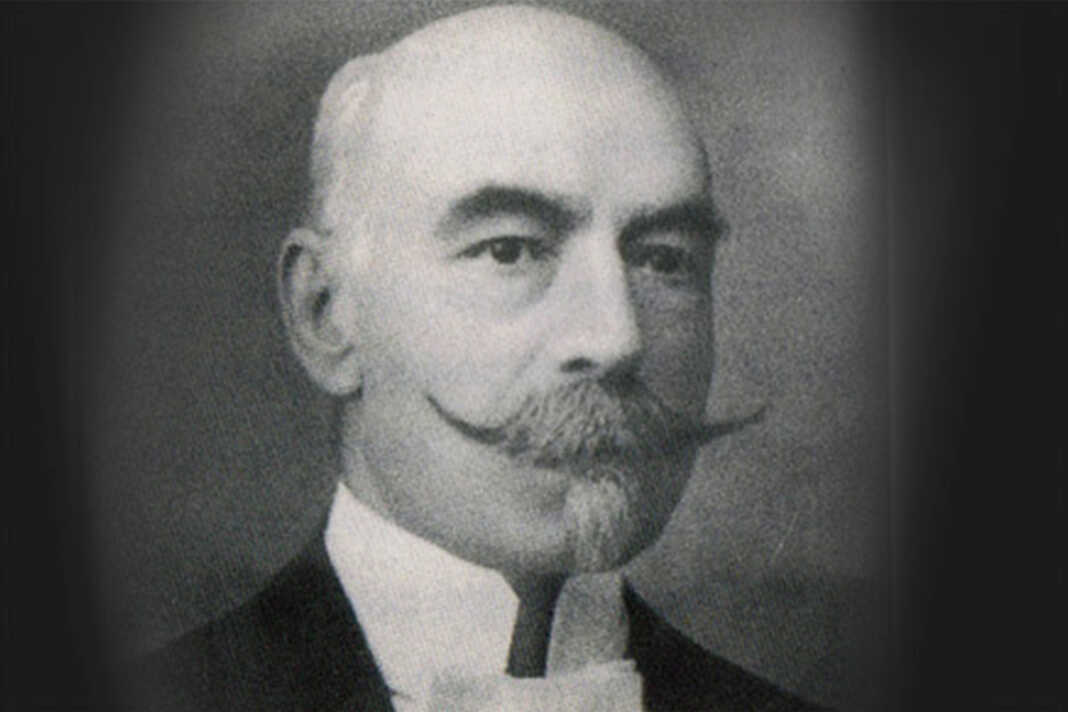
Eustathios Kritonos Dilaveris was born in Karava, Kythira, in 1855. Born into a poor family, he moved to Piraeus at the age of 10 to find work. As he grew older, he took up the trades of cosmography (ceiling painting) and construction contracting. From Piraeus, he traveled to Marseille, where he learned the craft of making roof tiles and bricks. He left Marseille and went to Alexandria, where he started his own tile-manufacturing business. In 1880, he returned to Piraeus and set about establishing Greece’s first mosaic tile factory at the intersection of Haidariou and Kastoros Streets, which first began operations on January 1,888.
Development
In the years that followed, the company expanded into the tile manufacturing industry with new factories. The «European Tiles and Mosaic Tiles» factory on Thivon Street in Kokkinia first opened in 1902. This building complex was designated a historic landmark in 2002 by a joint decision of the Ministry of the Environment and the Ministry of Culture. At that time, its financial strength grew remarkably.
Many public buildings have been paved with Dilaveris slabs, such as the Evangelismos Hospital, the Military Hospital, the Theological School, the former Evelpidon Military Academy, the Children’s Hospital, the National Bank branch in Piraeus, the Tzanneio Hospital, the Vassaneios Naval Academy, the Aktaion in Faliro, the Delphi Museum, and others.
Charitable work
Eustathios Kritonos Dilaveris made a name for himself through his donations to charitable institutions such as the Tzanneio Hospital of Piraeus, where he built a wing, the Hatzikyriakeio Orphanage in Piraeus, the Piraeus Association, and the island of Kythira. He established a clinic in Karava, provided financial assistance for the construction of girls’ schools, funded the construction of the Karava–Agia Pelagia road, and supported the Kythira Gymnasium.
The End and the Succession
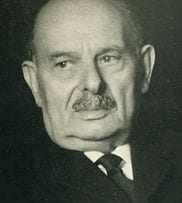
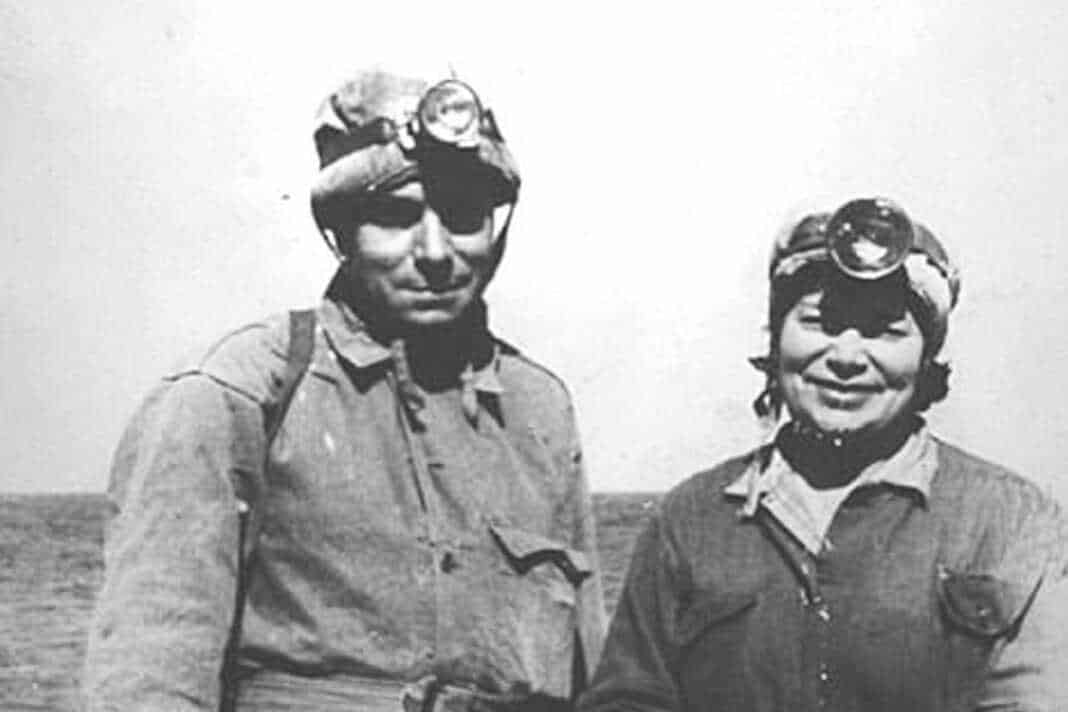
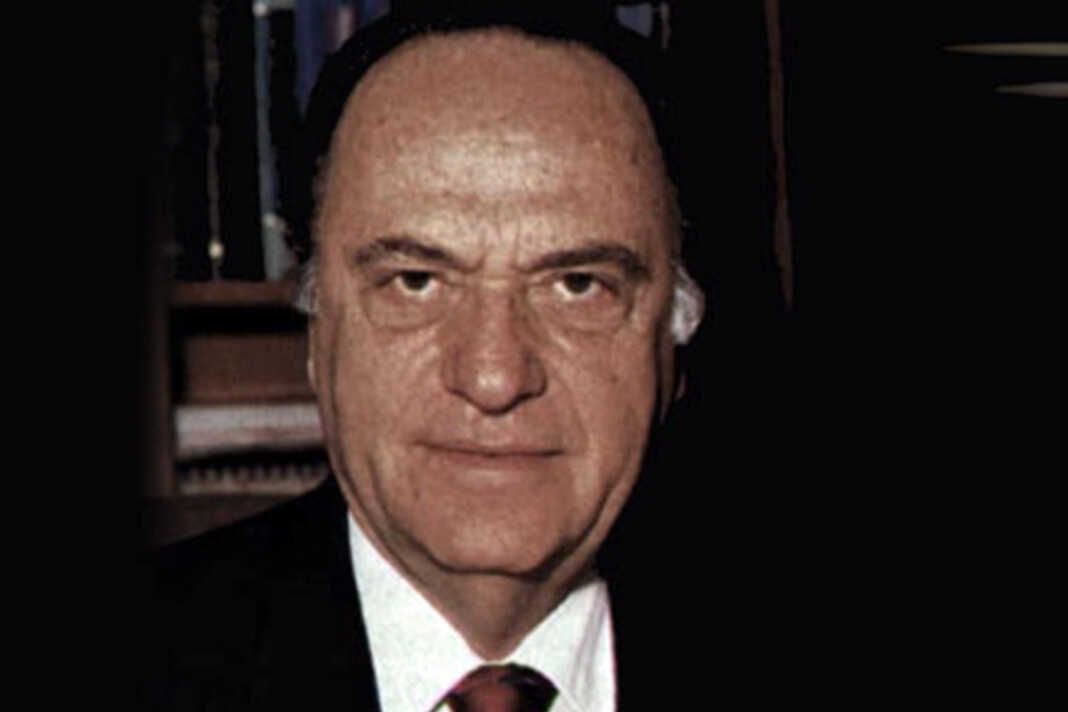
Eustathios Kritonos Dilaveris died in Piraeus on August 2, 1936. After the death of Efstathios Dilaveris, his son Kriton, an energetic and dynamic man like his father, took over the reins of the business. He was elected to the Hellenic Parliament representing Piraeus and the Islands from 1946 to 1950, and was actively involved in many organizations of the time. He served as president of the Piraeus Nautical Athletic Association from 1948 to 1963 and, together with his wife Athena, sister of actress Katina Paxinou, he helped rebuild the association following the destruction it suffered during the German Occupation. Kriton Dilaveris died in 1972, two years after Athina’s death.