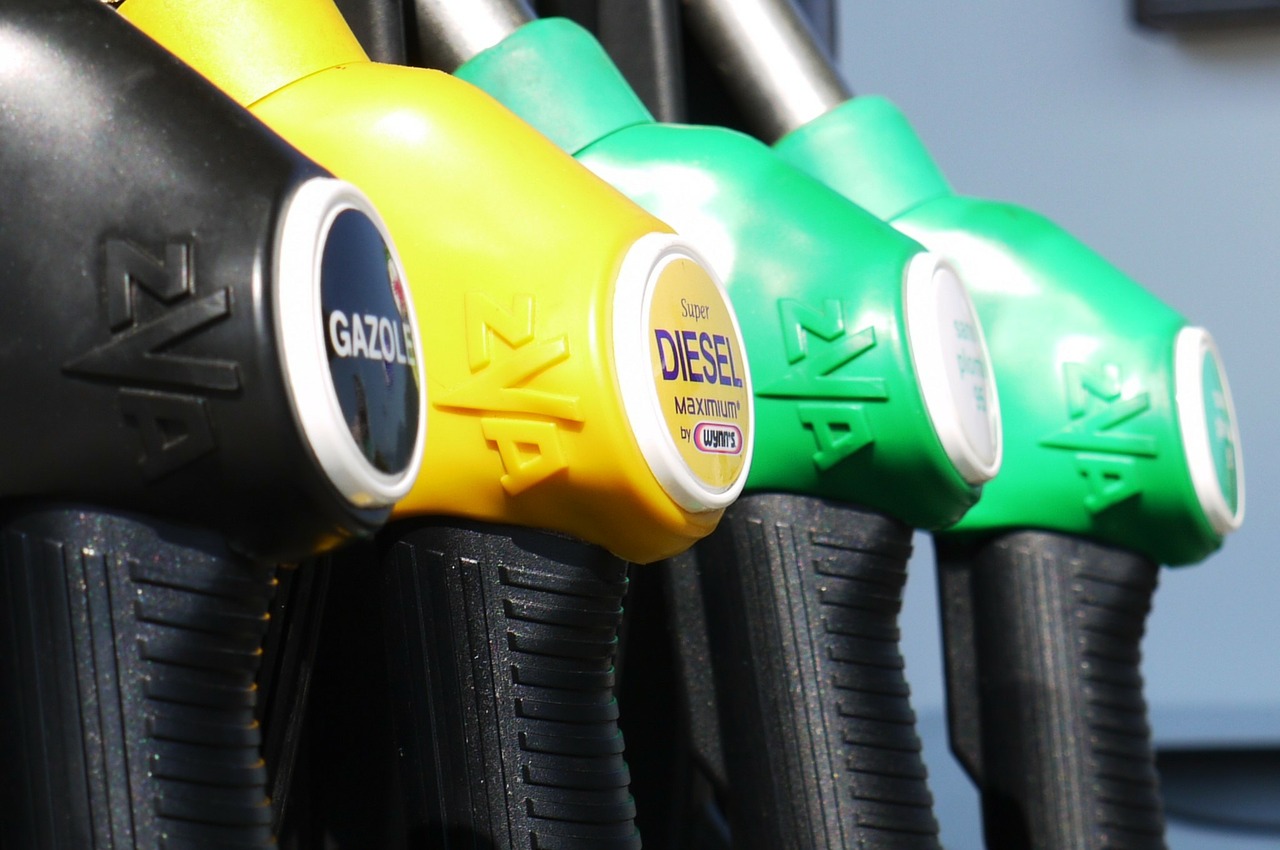
From today, as part of the German government's package for the interrogation of citizens from astronomical energy values, the gasoline in Germany, including VAT, will normally cost 35 cents less and diesel almost 17 cents cheaper. More complicated, however, is the answer to the question of whether the consumer will notice. Because the reduction in fuel tax is reflected only in the fuel market from refineries and tanks. Today, Wednesday, when the reduced tax comes into effect, not a drop of the cheaper fuel will have reached the petrol stations. Moreover, it will continue to be true that price formation at petrol stations is a fairly opaque affair. Exactly what the oil companies charge and what profit margin petrol stations demand is a closely guarded secret.
Counterproductive measures
It is no coincidence that the oligopoly of mineral oil companies is again under the strictest surveillance of the Federal Cartel Office. Because, yes, the oil prices that had shot up at the beginning of the war in Ukraine quickly normalized again on the world markets, but the prices at the petrol stations, on the other hand, remained high for much longer. In any case, the finance minister Christian Lindner celebrates the reduction of taxes as a measure of solidarity with the population suffering from high prices. «We don't leave people who depend on cars alone,» Lindner tweeted. From an economic point of view, however, most economists probably only see the finance minister with this assessment. «I never thought this would make sense,» said Manuel Froendel to Deutsche Welle. The energy economist is a professor at the Leibniz Institute for Economic Research in Essen. «Considering that we are still dealing with climate change, this measure is extremely counterproductive,» he stresses. Carbon pricing is in force in Germany from 2021, with the aim of reducing harmful greenhouse gas emissions somewhat. The fuel price rebate thwarts this necessary fight against climate change.
Christian Lindner stresses, of course, that all car owners should benefit from the reduction. But it is high-income households that benefit most. «Because they usually drive more, they drive a lot of miles and have a lot of cars. These households particularly benefit from the fuel price discount,» says Frodell. Low-income households, on the other hand, generally don't drive cars or drive small cars that also use less fuel. The German Institute for Economic Research (DIW) in Berlin comes to similar conclusions in its studies. «The reduction of the fuel tax is problematic because it reduces the incentive to save energy and relieves drivers with large cars and high incomes,» says Stefan Bach of the DIW.
Will the reduction be reflected in your pocket?;
Another disadvantage lies in the fact that the tax cuts lead to a loss of budget revenue and also increase the national debt. These losses should be financed and eventually returned to all taxpayers. The Cologne Institute for Economic Research (IW) is also critical of the fuel price subsidy. «Such proposals may be positively received in principle, but in fact they do not help,» the IW economists wrote in their analysis Martin Beznoska and Christopher Schroeder. The head of IW, Michael Hitter, criticised the measure from a regulatory point of view. «In terms of regulatory policy, the state should only intervene in the market if the price increase is due to an abusive exploitation of a dominant market position,» explained Hitner, speaking to the Augsburger Allgemeine. But Greenpeace also opposes the regulations according to the plans of the finance minister from the Liberal party: «Especially the party that always wants to shape climate protection in terms of market economy, panics at the first price signals and intervenes in the market with the rebate on petrol pumps worth billions» was the reaction.
But also in the transport sector, which is particularly affected by high fuel prices, the aid, which will come into force from Wednesday, is being viewed critically. According to the Frankfurt-based Federal Association for Freight Transport and Logistics (BGL), the measure will not affect this sector. Given that petrol station prices have risen by about a third, a possible reduction of 17 cents in the price of diesel would not make any difference. In the end, the question that was asked at the beginning still remains unanswered: what will the tax cut mean for the consumer's pocket at the petrol station? Because petrol stations can only order fuel at a discount from today. Until then, they will have fuel from their depots at the previous higher prices. And if, on top of all this, there is a crush at petrol stations because consumers have left their tanks empty in joyful anticipation of today, prices are unlikely to fall due to high demand.