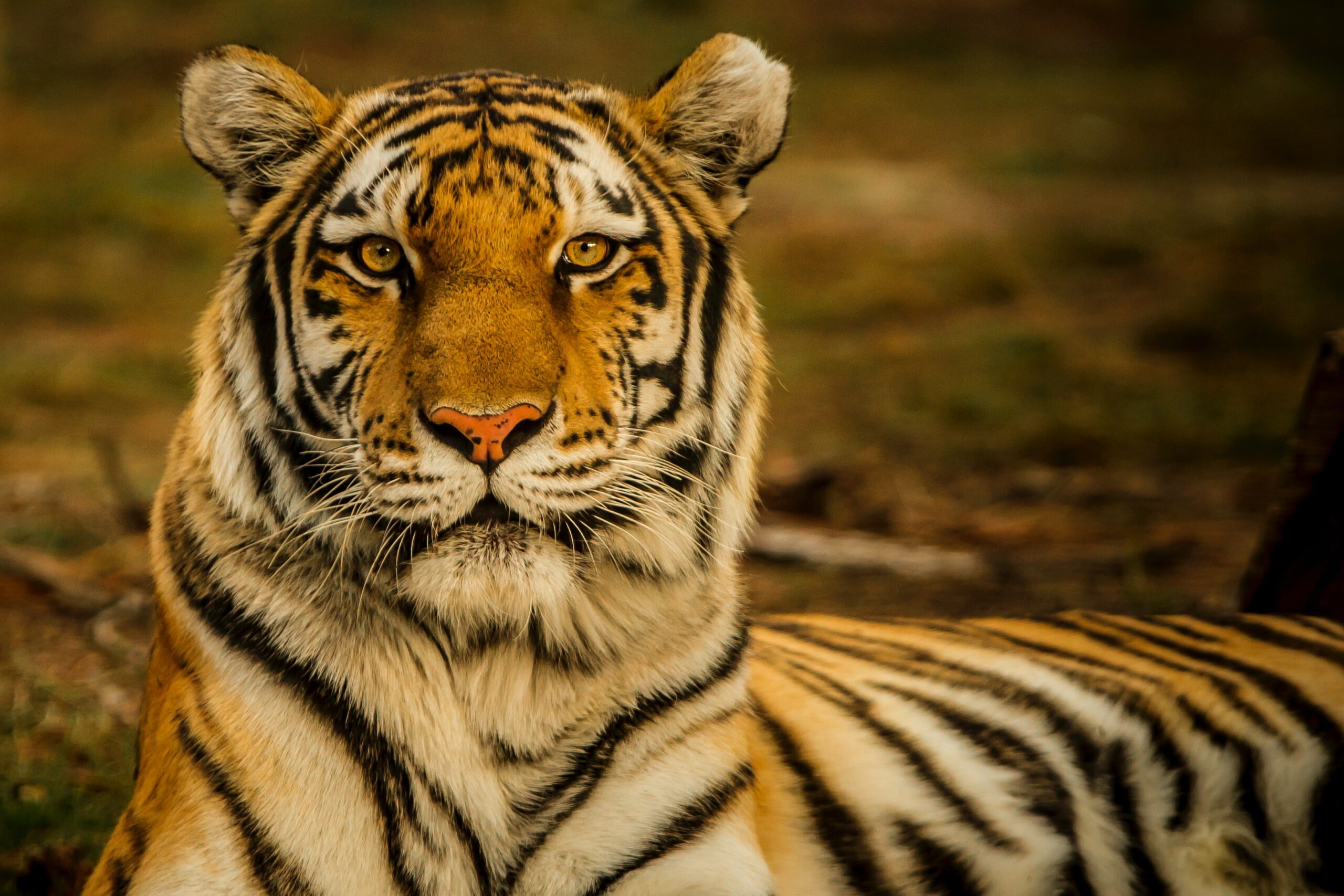
Charlie and Sadai, a Bengal tiger and a Bornean orangutan, two endangered species, received their second dose of the covid-19 vaccine yesterday, Monday, as part of a unique experimental project for Latin America conducted by the zoo in Santiago, Chile.
At 26 years old, Sadai is “an animal with significant breeding abilities for his species, which led us to focus on his immunization,” said Ignacio Idalsoaga, director of the zoo.
Charlie, although only three years old, is already a huge Bengal tiger, one of the world's largest cats.
In addition to Charlie and Sadai, zoo officials have immunized dozens of other animals, cats and great apes against covid-19.
The vaccine given to them is experimental and not available for sale. Its formula, which is specially formulated for the animals, resembles in some respects the one given to humans, explained the Zoetis veterinary laboratory that delivered the vaccines to the Santiago Zoo.
The same vaccine has been administered to animals at the San Diego Zoo in the USA, but Chile (where 87% of the population over three years of age is fully immunised against covid-19) is the only country in Latin America that has started a vaccination programme for animals.
“The aim is to protect the animals that are most susceptible to coronavirus and at the same time confirm whether their vaccines provide immunity and how long it lasts, much like we do with humans,” said Sebastian Celis, head of the veterinary department.
To calm the animals down in order to vaccinate them, Charlie was given a piece of meat and Sadai was given lots of bananas, his favourite food.
At the zoo in Santiago, there have been no reported cases of covid-19 among the animals, as for example at the zoo in Washington, D.C., where six lions and three tigers were vaccinated against covid-19 after testing positive for the disease last year.
Gorillas at the Atlanta Zoo in Georgia were among the first animals to test positive for covid-19.