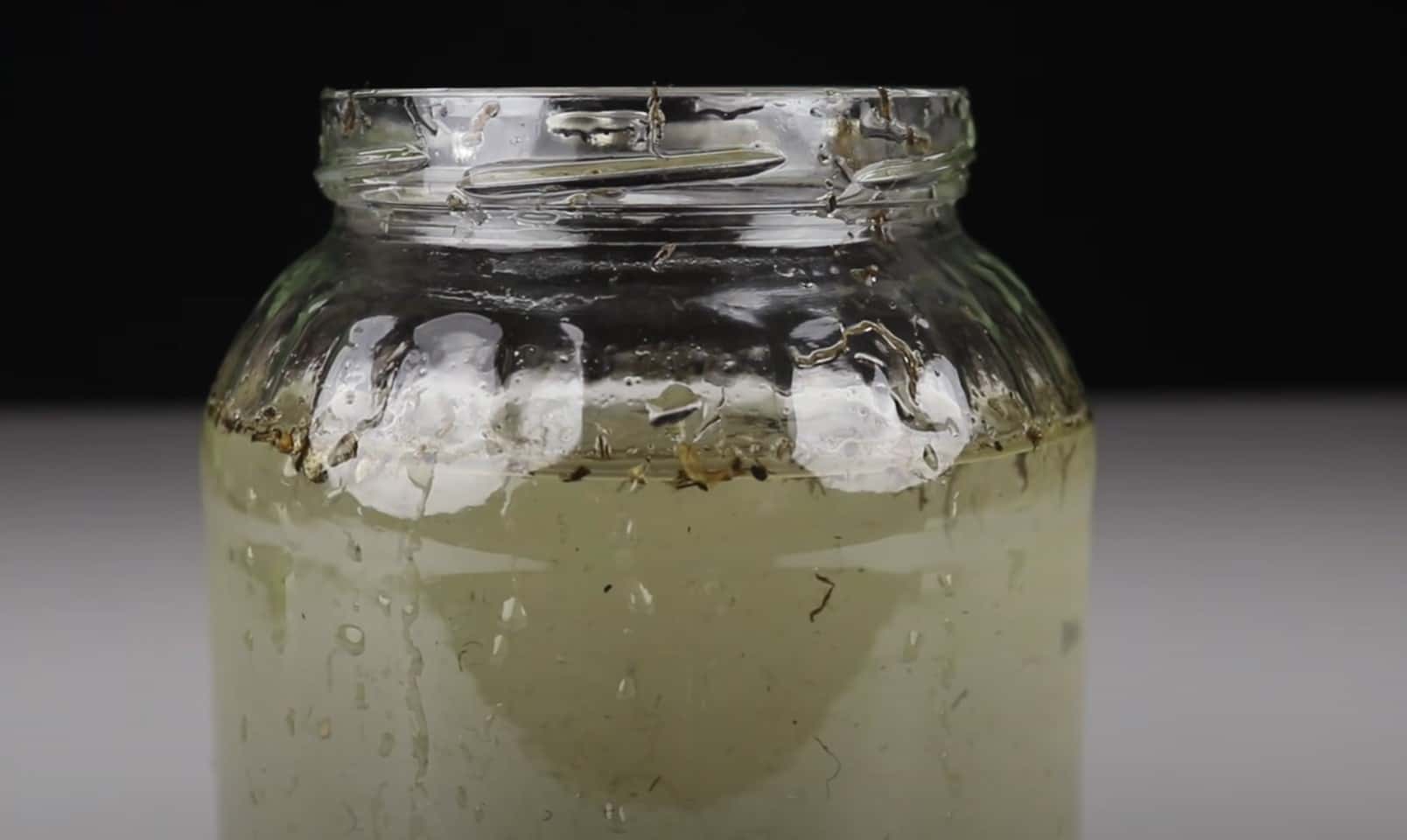
“Poisoned” water are used by those living in rural areas, due to nitrate pollution from excessive use of fertilisers with high nitrate ion content, which affects their health and the environment.
It is one of the biggest water pollution problems that has been occurring since the 1980s all over Europe - including Greece.
Measures are taken from time to time (there is a Community Directive since 1991), but even today there are areas from Evros to Crete, which represent a very large percentage of agricultural land, where water quality is considered problematic in terms of its uses (drinking, irrigation, industrial use, urban use). These are the so-called «vulnerable» zones from nitrate pollution (ed: introduced from May 2019).
In groundwater, nitrate pollution occurs mainly in the form of cumulative accumulation of nitrates, which in some cases reach levels that are prohibitive for the use of water for water supply purposes.
The Greek and international legislation has set a limit value of 50 mg/l, but even at lower concentrations (greater than 25 mg/l) there are concerns about the long-term use of water for drinking.
Indicative is the case in Oraiokastro in Thessaloniki, where the limits have gone red. For example, in Liti Kamari Complex (13/9/2022) they reached 113 mg/l, in Melissochori / Xeri vpisi Melissochori (13/9/2022) they reached 74.3 mg/l.
High concentrations were also recorded in Orestiada, on the Evros River, as a measurement at Rizia (Church on 26 September) showed 42.2 mg/l. Also, 42 mg/l were nitrate concentrations in Agios Mamas Mylopotamos Rethymnon (16/4/2022) and in Komotini in the district of Neos Sidirochori Pagouria (23/2/2022), 40.3 mg.
The Euro-condemnation of Greece for the “poisoned” water
According to experts, there is still a long way to go in cleaning up water and soil from nitrate pollution. And the truth is that ensuring full compliance with the Directive (91/676/EEC) is unfortunately still a challenge for many Member States (Belgium, Czech Republic, Germany, etc.).
As far as Greece is concerned, our country has already been convicted, with a fine of €3.5 million imposed by the European Court of Justice in early 2020, for delaying the implementation of the EU Directive on nitrates from agricultural sources.
In 2015, it was convicted in court because it had failed to identify as «vulnerable» zones, including the Thessaly and Evros plains, where nitrate ion concentrations in water exceeding 50 mg/l and eutrophication phenomena had been recorded.
Reducing nitrate pollution is a priority for the EU, as the intensification of agriculture has increased the use of fertilisers containing nitrogen (N) and phosphorus (P), which lead to water, air and soil pollution affecting human health and the environment.
“Measures have been taken, but we do not have a full picture of the problem. Because we do not have an updated national water quality report. It is a problem that concerns the whole of Europe, which is why the new CAP (’21-’27) that starts from 1 January 2023 provides for a reduction of fertilizers of more than 30% compared to the previous CAP (for the period ’14-’21),’ Dimitris Bilalis, professor of Organic Agriculture at the Agricultural University of Athens, underlined to NEA.
Nitrate pollution primarily affects surface water and then groundwater. Asked what problems it causes to the human body, Dimitris Bilalis pointed out «what we know is what is described in the European Commission's report on nitrate ions published in 2018. In the human body, blood problems are caused, especially in children or newborns (especially in infants, even death can be caused). In particular, it can cause methemoglobulinemia which prevents the normal transfer of oxygen from the blood to the tissues, resulting in cyanosis and, at higher concentrations, suffocation which can prove fatal for infants.».
As the Ministry of Environment points out, the main sources of nitrate pollution come mainly from anthropogenic activities, such as agricultural activities, farming and livestock farming.
High concentrations of nitrate compounds are observed in rural areas, i.e. areas with increased agricultural activity, where nitrogen fertilisers are used intensively, and areas with a high concentration of animal waste.
The 30 regions that have “poisoned” water due to nitrate pollution are:
Western and Eastern Thessaly, Copaidean and Argolic field,
Pinios Ilia basin,
the plain of Thessaloniki - Pella - Imathia,
Strimonas basin, Arta - Preveza plain,
the basin of Asopos in Boeotia, the southern part of the river Evros,
plain east and west of Lake Vistonida,
Angitis catchment area, North Corinthia,
plateau of Tripoli, Liliatra Kyparissia,
the catchment area of the river Larissos in Achaia,
Marathon, Attica, Mesogeia, Attica,
the northern part of the river Evros,
Sperchios, Fthiotida, Pamisos, Messinia,
Trizinia, Astros - Agios Andreas Arkadia,
Megara - Alepochori, Attica,
Atalanti, Fthiotida, Almyros, Magnesia,
Ptolemaida Kozani, Epanomi Moudania Halkidiki,
Geropotamos sub-basin of Messara, Crete and Artaki, Evia.
It is noted that 15 of these have a nitrate concentration above 20 mg/l.
Last July, an action was published on the areas that have “poisoned” water.
Farmers are forbidden, among other things, to use nitrogenous fertilisers or animal waste near bodies of water or to carry out groundwater abstraction. In addition, the direct discharge of nitrogen fertilisers and livestock waste into surface and groundwater is prohibited and livestock waste may not be disposed of to soil receptors in untreated form.
Under the commitment, beneficiaries commit to annually set aside agricultural land corresponding to at least 30% of the total area included in the commitment.
However, this percentage may be increased annually up to 50%. At the same time, farmers commit themselves to rotate crops on their fields at a rate of 30% on the land they own.